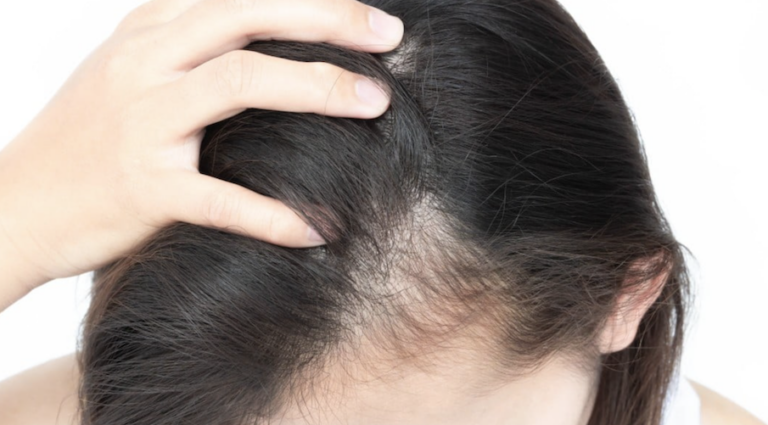
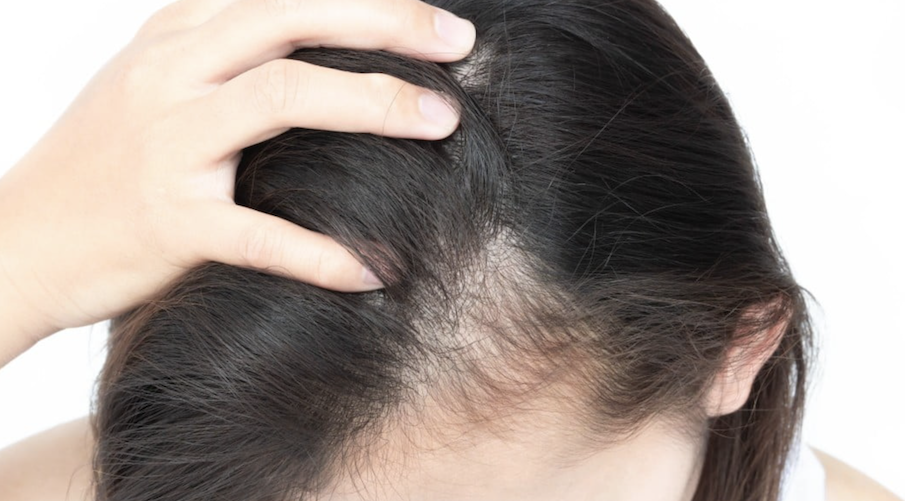
Thinning hair can have a devastating impact on mental health.
It can lower a person’s self esteem, make them question their appearance, and generally wreak havoc on their confidence.
From the way of life to what you put on your head, what you eat, drink and consume on a daily basis, everything can impact the health of your hair.
Hair loss is a common issue that can occur for a number of reasons. Luckily, there are a few ways to help you maintain a full head of hair for longer while keeping your spirits high too.
Here is a guide about the correlation between hair loss and mental health and how to prevent hair loss.
How Does Hair Loss Occur?
Figuring out why a person loses their hair can be difficult. As we mentioned, almost everything can impact the health of your hair.
Reasons can include age, genetics, hormones, and health conditions, but it can also be down to lifestyle choices too.
A few common causes of hair loss include diet, vitamin deficiency, alopecia, and stress. It can also occur as a result of treatments and medication.
Hair Loss and Mental Health:
Whatever the reasoning behind it, hair loss can have a psychological effect on an individual.
Ultimately, it can result in emotional issues such as anxiety and depression.
In cultures throughout time, a head full of hair was naturally associated with good health, youth, and beauty.
Being faced with thinning hair can cause people to panic and question their worth in society.
Furthermore, when people stress out about losing their hair, they can make matters worse because stress can cause the life cycle of hair to change.
In fact, stressing out can lead to the temporary hair loss condition called alopecia areata. This condition causes bald patches to appear.
How to Prevent Hair Loss:
If you are experiencing hair loss, you should first remain calm and try to figure out the cause.
Stress related hair loss can be reversed by reducing stressful factors in your life and partaking in relaxing activities.
In addition, speaking to a professional can also provide you with answers to your problems.
The Harley Street Hair Clinic is made up of doctors who offer specialist advice and provide a variety of services. They offer FUE hair transplant in the UK, and can help you figure out if it is the right treatment for you.
If you want to go the natural route you can try to find the best vegan collagen. To improve the health of your hair consider these 2 main factors.
1. Eat a Balanced Diet.
A balanced diet full of vitamins and minerals can have a huge effect on hair health.
In particular, D, E, and B vitamins can encourage hair growth, while minerals such as biotin, zinc, iron, and niacin can prevent premature hair loss.
Foods that are excellent for hair health include fatty fish, eggs, berries, seeds, nuts, and spinach.
2. Treat Your Hair With Care.
You may already know that piling on the products and excessively using permanent hair treatments, curling irons, and straighteners can damage hair, but many people don’t realize how much hairstyles matter too.
Scraping your hair back into a ponytail or a bun or creating tight braids can also weaken hair.
When styling your hair in the morning, try to handle it gently and avoid pulling it too hard.
Nootropics are prescription drugs, over the counter supplements, and other ingredients that may help enhance one’s cognitive functions, such as concentration, memory, self motivation, and even creativity.
These so called ‘smart drugs’ have steadily increased in popularity over the years.
More people want to boost their brain functions to stay competitive in the workplace or in school and remain mentally agile even during their twilight years.
Since there are plenty of cognitive enhancing products on the market, it may be challenging to determine the one that’s best for you.
For those suffering from diagnosed mental health problems such as dementia, Parkinson’s, or Alzheimer’s, you might need prescription nootropics to deal with your symptoms. It would be best to consult your physician about the matter.
Healthy individuals may not need a doctor’s prescription, but it’s advisable to take brain health supplements made by reputable companies and backed by clinical studies, user testimonials, and expert reviews.
For example, many online health websites have reviewed AlphaBrain, a complete brain enhancer produced by Onnit, a health brand owned by American celebrity Joe Rogan.
Another way to pick the right brain boosting supplement is to consider what you need or require based on how you live.
Below are helpful tips on how to choose a nootropic for your lifestyle.
How To Choose A Nootropic For Your Unique Lifestyle:
For Active Seniors
To maintain brain health, seniors must eat a balanced diet and continue to engage in an active lifestyle.
However, nootropics with vitamin B6, or Pyridoxine HCL, as a key ingredient would be beneficial for those who want to address age related mild cognitive impairment.
B vitamins, particularly vitamin B6, may aid in significantly easing brain atrophy.
Pyridoxine HCL may also be critical in the creation of neurotransmitters, which are brain messengers. Hence, cognitive decline or dementia in older people has been linked to Pyridoxine HCL deficiency.
Aside from B6, you may benefit from the memory enhancing properties of Ginkgo biloba. Additionally, the cellular integrity of the brain’s neural connections may be enhanced by both L leucine and pterostilbene.
For Ambitious Employees
Employees who want career advancement tend to work long hours and take on extra responsibilities.
Thus, it’s no wonder that many of them suffer from stress, sleep deficiency, and even meltdowns due to the cutthroat competition in most work environments.
If you’re a workaholic, you can benefit from brain health supplements containing L theanine and L tyrosine. L theanine is a beneficial amino acid you can find in black tea, and it may be responsible for producing serotonin and dopamine. These are enzymes that stimulate mental clarity and improve concentration.
Meanwhile, L tyrosine helps boost brain functions in people who are stressed, are sleep deprived, and have many responsibilities on their plate. Like L theanine, L tyrosine is an amino acid that promotes the production of dopamine.
For Determined Students
College and graduate students sometimes need help with memory retention to remember all the information they read from books, journals, and articles, especially during exams.
The problem is that there are many distractions in college life, including extracurricular activities, part time work, and even countless parties to go to.
So most students may be on an uphill battle for mental clarity and need help to retain what they learn from their lessons and studies.
You may benefit from taking nootropics with Huperzia serrata, Bacopa monnieri, and phosphatidylserine if you’re an adult student. All these ingredients may effectively improve memory retention.
For Competitive Athletes
Endurance, strength, and maximum physical health are not the only qualities you need to excel in sports.
If you want to be a great athlete, you also need to sharpen your mind and increase your motivation to win.
Look for natural brain health supplements that contain Huperzia serrata, which may help enhance mental acuity or the brain’s speed of thought.
Meanwhile, Alpha GPC is a critical ingredient that may promote physical endurance while improving mental stamina.
For Busy Parents
Being a parent, especially of young children, can take a toll on your mental health.
It doesn’t matter if you’re working full time or staying at home to take care of your kids, being a parent is challenging.
Luckily, some nootropics contain natural components that may help busy parents manage stress while sharpening their mental functions.
Here are two critical ingredients to look for in cognitive enhancing supplements:
1. Cat’s Claw Extract: To activate DNA repair and improve mood.
2. Oat Straw Extract: To promote blood flow in the brain and aid in easing anxiety, depression, and stress.
What You Should Remember:
Everybody wants to maintain a healthy mind, sharp memory, and better brain functioning.
Experts would agree that exercising regularly and eating vitamin rich fruits and vegetables are essential in promoting mental health.
For those who want more cognitive enhancing abilities, nootropics may provide outstanding results.
To know what type of brain supplement will best give you the mental health benefit you require, you must thoroughly research and study the ingredients of the nootropic products you want to use.
We strongly advise you for any decision regarding your health to first consult with a professional doctor.
Which foods are vital to include in your diet in order to obtain sufficient amounts of these vitamins?
In this article we will discuss the 6 main Vitamins everyone should take to maximize their health.
6 Main Vitamins for Optimal Health:
Vitamin A
Vitamin A acts as a precursor for retinol, which is important to maintain healthy skin and eyes.
It’s also vital for cell growth and development.
You can obtain vitamin A from red, orange, and yellow vegetables such as peppers, carrots, and sweet potatoes.
These foods get their orange hues from a molecule called beta carotene, which is required for optimal health.
B Vitamins
The B vitamins comprise eight vitamins that work together to aid the metabolism and breakdown of macronutrients.
Each B vitamin has unique roles that are essential for the body to undergo its necessary functions.
For example, B12 works to keep the body’s nerve cells, and red and white blood cells healthy. It’s also required for DNA synthesis.
You can obtain B12 from most animal products. Vegans can get B12 from nutritional yeast or via supplementation.
Vitamins C
Vitamins C is an antioxidant.
It works to remove or reduce oxidative damage in the cells that is produced by oxygen free radicals during metabolism and growth.
Vitamin C is essential for the health of your teeth, skin, and blood vessels and can be found in peppers, citrus fruits, strawberries, and kiwis.
Vitamin D
Your skin contains a precursor to vitamin D that gets activated upon exposure to sunlight.
You can also obtain vitamin D through your diet in foods such as mushrooms, fortified cereals, eggs, and fish.
Vitamin E
This essential nutrient also acts as an antioxidant to reduce oxidative damage within the body.
It helps to strengthen immune function, maintain good blood flow through the vessels, and keep the skin healthy.
Avocados, kiwis, mangoes, and nuts contain lots of vitamin E.
Vitamin K
Vitamin K is found in green, leafy vegetables such as kale, broccoli, spinach, and Brussels sprouts.
It is required to activate certain proteins involved in the clotting pathway, which is essential to plug open wounds or cuts.
Without sufficient vitamin K, got caught by not being out to properly form.
What You Should Remember?
It’s important to try and eat a range of fruits and vegetables that are a variety of different colors.
Generally, similar colored produce contains similar micronutrients.
For example, red, orange, and yellow fruits and vegetables contain high amounts of vitamin A. Green, leafy vegetables are full of vitamins C and K, as well as the minerals calcium and iron.
Therefore, to maximize your chances of getting sufficient amounts of every vitamin, aim to ‘eat the rainbow’ and incorporate lots of different fruits and vegetables into your diet.
If you’re struggling to obtain sufficient amounts of each nutrient through your diet, you can supplement with multivitamins or gummies that will boost your micronutrient intake.
What I find striking about us, humans, is that, when we talk about communication, we refer to a diversity of ways that allow us to express ourselves – speaking, gesticulating, dancing, singing, painting, drawing, even simply making eye contact.
All good forms of communication, all helping us to express who we are, what we want to say, what we like or don’t like, how we think.
We’ll definitely talk about how we can express ourselves better as leaders – in our next episode in this leadership series.
But in this episode, we’re not going to talk about communication as we most generally perceive it. We’re going to turn tables and start with one form of communication that we usually disregard, dislike, downgrade, deny. It’s called listening.
The 5 Ingredients for Leadership: Ingredient 2 – Communication: Learn to Listen First!
Because leaders who don’t listen, don’t really communicate. They merely express themselves, nothing more.
Communication involves some sort of a dialogue. And that’s an essential step to take when you’re a leader, because then you can include all opinions, perceptions, ideas, plans in the big picture. Which leads to engagement, loyalty, teamwork, all the good stuff that we want.
But listening is tricky, right? It’s tougher than we openly admit, hence its minuscule place in the hierarchy of communication skills we want to develop.
Simply nodding does not guarantee listening – so, what does?
‘No, that’s not what I meant’, or ‘You’re not listening to me’, or ‘I’ve just told you that’. Familiar? Not that this ever happened to any of us here, I just happened to hear other people complaining.
Why does this happen, when all we did was listen. I mean, you know, we thought we were listening, because we were nodding our head (repeatedly), humming as well, and even maintaining eye contact.
So why is it then that, at some point in the conversation, we get this feedback that we weren’t, in fact, listening.
What is listening and what makes it so difficult?
First off, we tend to treat listening as this passive thing we do (or don’t have to do?) when the other is talking. We look at it as ‘let them talk, while I can think about my ‘groceries shopping list’’. Because we do that, I mean, our brain does it. Oh, ok, not our brain, other people’s!
The brain is busy thinking about the next actions we need to take, even when we don’t want it to. Our brain seems to also have its own mind and not care about what we want it to do.
This is how, especially when we think we don’t have to do anything, we’re always busy thinking about something.
One of the most difficult things to achieve is to clear our minds, not think about anything.
Those of you who meditate or ever tried to, perfectly know this feeling. Because there’s always a buzz, a hum, a thought, a fraction of an action hidden right there, in a corner of our mind.
That’s how, instead of listening to what the other is saying, we’re busy trying to decipher our own thoughts all the while.
Second, we prefer to tell our story rather than listen to someone else’s.
OK, maybe not you reading this post here, of course, but most of the people do. Why?
Simply because when I’m telling my story I’m more involved, I recreate the events, which makes me also re-experience some of the feelings, which, in turn, makes me so involved in the story. When another person tells us their story, it’s more difficult to get involved, we’re strangers to that story and it takes time to get a grip of what it is about.
And unless the story teller makes it engaging (but that’s another story!), we find ourselves thinking ‘shopping lists’ all over again.
The ‘shopping list’ is your metaphor for everything else you’re thinking about: ‘what am I going to respond to what they’ve just said now (which is already what they just said a while ago, because I don’t know what they’re saying now anymore, as I’m thinking about what I am going to say)’; piles of work, night out with friends, ‘things I need to start doing right after reading this article’… you get the picture.
Third, we’re human.
Leaders or not, we can only focus for a little while, because we cannot help but pay attention to everything that’s going on around us. Wait, what?
Yes, focus is the opposite of attention. Focus requires a lot of effort and us pushing every distraction aside. Focus happens especially when we’re in flow, ‘in the zone’, because that’s when we’re engaged, involved, motivated.
Focus means I don’t pay attention. Wait, what??
Focus means I zoom in to you while you’re speaking, without paying attention to who comes in the room, to what happens in my mind, to the building shaking because there’s an earthquake.
But, as I said, we can only focus for a while, and under these specific circumstances of involvement and motivation. And we already decided, we love our own stories more than other people’s stories. Which is why they don’t keep us motivated and engaged enough for us to get into that state of focus.
So, what can we do to be better listeners?
It’s something we already do, just not all the time and maybe without being aware of it.
Think about someone youcare about, telling you they got the job they wanted.
First, hear their voice and how they say it. They are usually enthusiastic, and enthusiasm is catching.
When we respond, we do it without thinking about our shopping list. When we hear ‘hey, I got that job’ we naturally go ‘wow, I’m so happy for you’.
We match their state of mind, because we care.
Caring makes us focus on what they are saying.
When I care about your story, I am there, with you, in your story.
I bring my story there, because I can relate to yours now. And that’s how we can build a combined story – the story of ‘how you got that job and how we celebrated together’. Because when I care, I can focus, and that’s what makes me capable to understand: what you’re saying and also a bit of how you’re feeling.
So now that I’m focused, I am interested, and the next thing I know is I’m asking you for more details: what will you be doing, when do you start, do they train you, how much do they pay you (ok, maybe not that, we leave that for the shopping list).
It’s a natural reaction for us, to ask questions when we listen. I mean, when we truly listen. And often we forget that listening is a verb, not a noun, that it’s an action, and it’s very much active.
It’s not that I don’t have to do anything and ‘just listen’. On the contrary, there’s a lot of things I do that tell you I’m listening.
Think about it: when we care and focus and truly listen, what do we do, apart from nodding and humming: we ask questions, we go back to make sure we didn’t misunderstand, we ask for clarifications, we summarize, we investigate further, we ask for the next steps.
It goes all the way back when, as children, someone was reading a story to us and, because we were captivated by it, we wanted to know more, hear more, see more.
Or maybe more recently when, at some point in our lives, we asked the question: ‘so let me get this straight, are you dumping me?’. That’s one piece of active listening! And all because I cared.
So there, we already listen properly, when we care.
Start with the heart and zoom in on the mind
The ‘recipe’ I am proposing is: start with the heart and zoom in on the mind (you add your own ingredients, in the quantities that work for you).
Care. Focus. Understand.
When I care, I will instantly focus, and when I focus, I will be able to hear what you’re saying and truly understand you.
I will nod and hum, and I will also ask questions, summarize, clarify, agree next steps, maybe even take notes and make sure you get them, too.
Once I listen to understand, I build the foundation for a long-term relationship.
At the end of the day, ‘shopping lists’ aside, we all crave to be:
1. heard
2. understood
3. valued (or, even better, loved).
And then, once we’ve truly listened, we get a ‘that’s exactly what I meant’, or ‘thanks for listening to me’, or ‘nobody else asked me that, thank you for checking’.
That’s the magic moment when you’ve opened-up a whole new world to a healthy relationship with the people in your team.
That’s when you, as the leader, having the vision and having listened to people, can start planning your journey together, because you know you are all in it wholeheartedly.
Because when somebody listens to me and understands me, I feel I matter. Don’t you?
So,
If you’re further interested in building your listening skills as a leader, you may also want to watch and learn:
The effects of stress show up on your physical appearance, from dark under the eye circles to weight gain. Read on to see the simple beauty regimen that can bring back your glow.
Stress is an inevitable part of life, especially in adulthood. But what you can avoid is its physical effects.
Stress changes your body on the inside and out.
It often starts with the telltale eye bags, then affects the rest of your body, causing noticeable changes in your physical appearance.
Treatments with long term benefits are the best cure for stress. But it won’t hurt to combine them with short term treatments, too.
Since stress diminishes your beauty, a beauty regimen will also be essential in your treatment. Thankfully, a stress relieving beauty regimen doesn’t break the bank. Here are 11 ways and 3 routines to battle the physical effects that stress has on you.
11 Ways to Battle the Physical Effects of Stress:
Hair Care Routine
The health effects of stress can lead to permanent hair loss. If your locks are beginning to fall, try these natural remedies:
1. Scalp Massage.
Massaging your scalp can stimulate hair regrowth, not to mention relieve tension.
Take time to massage your scalp every day, especially when you feel a headache coming.
Massage your scalp in the shower, too. Be careful not to tug on your locks to avoid breakage and hair fall.
They’re gentler on your scalp and hair compared to shampoos with chemical ingredients.
Organic shampoos contain the natural ingredients your stressed hair needs, such as argan oil. Argan oil has phenols that stimulate the scalp, promoting hair regrowth.
Pair it with an argan oil leave in conditioner or any other hair loss treatment, and you’d get the best results.
3. Ginseng Supplement.
Taking a ginseng supplement can stimulate your hair follicles, thereby leading to faster regrowth.
However, consult your physician or do extensive research beforehand.
Ginseng might have side effects, so it’s important to determine if your body can handle it.
4. Fresh Lemon Juice.
Before washing your hair, try applying fresh lemon juice to your scalp and tresses.
Let it sit for about 15 minutes before shampooing.
Lemon juice is packed with vitamins that can encourage hair growth. It can also leave your hair with a pleasant, citrusy scent.
Skincare Routine
Stress symptoms include breakouts and possibly eczema if you have dry skin.
Your body’s excessive release of cortisol can also decrease your collagen and elastin supply, leading to premature aging.
A healthy skincare routine isn’t composed of products alone.
Sleep is also a critical part of it.
Getting the recommended hours of sleep for your age is essential in supporting your skin’s cell regeneration.
It also rests your mind, allowing you to start your day feeling rejuvenated.
Find it a challenge to sleep at night? Start a bedtime routine to unwind and prepare yourself for sleep.
For example, you could turn off your gadgets, change into your most comfortable PJs, and enjoy a cup of soothing sleep tonic or hot milk to relax your mind and body. Having a bedtime routine will signal your mind and body that it’s time to sleep.
6. Improve Your Gut Health.
Your pimples can say something about your gut health.
So consume probiotics, fiber rich food, and antioxidants to boost your gut health.
Your skin will reflect the positive change.
7. Take Anti stress Supplements.
Look for supplements that include stress relief herbs such as ashwagandha, ginseng, rhodiola, and bacopa.
Eleuthero (Siberian ginseng) and schisanda supplements can work, too.
These ingredients can encourage dopamine production, improving your mood and, consequently, your skin.
8. Anti stress Skincare Products.
There are skincare products in the market that specifically targets issues caused by stress.
Look for products that fit your budget, but not without researching the ingredients first.
Vitamins, peptides, and omega 3 acids are a few must have ingredients.
Ensure that the products are right for your skin type, too; if you have dry skin, choose hydrating products.
Skin hydration is also necessary for oily skin, but make sure that it won’t leave your skin sticky or greasy.
Fitness Routine
Overeating is also a common symptom of stress. While indulging in your comfort foods can have mood-boosting effects, it can lead to unhealthy weight gain, which can stress you out even more.
You don’t need to be skinny to relieve your stress. You need to be healthy and confident in your size and shape.
Strength and stamina are also essential because they let you enjoy physical activities more. And physical activity can release happy hormones that relieve stress.
A beauty regimen is essential for stress relief because looking good can already improve your mood. And the more confident you are with your looks, your mental health will boost. Don’t underestimate the power of beauty, it is your armor and pride.
No alcohol 🍻 No porn 🍑 No fap 🍆 No sugar 🍩 No caffeine ☕ No movies, tv shows, games 🎞📺🎶🎮
And I haven’t felt better in my life!
HOW is this possible?
I feel happier than ever.
I feel more energy than I ever thought humanly possible without taking supplements.
I am more focused than ever in my life.
My anxiety is 100% completely GONE! Like literally, I do not feel anxiety at all… This is HUGE for someone who felt anxiety every single day of my life!
No overthinking either. My thoughts are clean, sharp.. it’s much easier to avoid distractions and get out of negative loops.
If you told me that there is something that can give these benefits I would have imagined a Super Pill like in the movie Limitless!
Not in my wildest dreams I would have thought that it’s actually NOT DOING most of the things that give you pleasure.
72 Days DOPAMINE DETOX:
No sugar, no fap, no porn, no alcohol, no drugs, no caffeine, no movies, no listening to music, no tv shows, no games…
When I tell this to people their first question is “So what the hell do you do?”
And I get it..
I would have asked the same thing before these 72 days!
I would have thought that not doing any of these things would make me depressed!
And exactly this kind of thinking is why most people are miserable deep inside, why they live lives of quiet desperation.
👉 This is why: WE MISTAKE PLEASURE FOR HAPPINESS!
Pleasure is not Happiness!
How many times you were chasing pleasure, and right after you got what you desired you felt empty, like something is still missing?
You were fine for a moment and then poof… you did not attain real happiness. It was like the trail version and it expired!
Then, like most people, you started chasing more pleasure somewhere else… Social media.. Watch a movie.. Porn, fap.. Alcohol.. Weed.. Drugs.. Eat something sugarry.. Chat with new girl, new guy.. Drink coffee.. Play a game.. Sleep.. Call a friend.. ANYTHING just to escape yourself and find more pleasure!
Like a drug addict!
Pleasure (Dopamine) is a drug, and the world today is designed to help you get as much of this drug as possible!
But the more you take, the more miserable you are!
And the less happiness you actually feel!
Let me explain why…
How Dopamine Works:
It’s not complicated once you understand this: Nature created us binary, meaning, we have OFF switch and ON switch! Like a computer, 0s and 1s.
Nature uses Pain to move us away from things that can potentially harm us [the OFF switch], and Pleasure (Dopamine) to move us in the direction where we have the most chance of reproducing [the ON switch].
That’s the game of Nature!
All it cares about is you spreading your DNA!
That’s it!
Everything else is a story you tell yourself of why you do things.
In reality, EVERYTHING you do is to get energy and potentially spread your genes.
And that strategy worked for so long!
However, the moment we learned how to manipulate our Dopamine receptors inside our brain was the moment we hacked the game of Nature!
If we fill up a cake with sugar, in Nature’s game it looks like we got food to keep us alive for 1 month! And people love this! Make more and sell…
If we fap on an artificial screen, in Nature’s game it looks like we are making children and spreading our DNA! People love this! Make more…
If we drink caffeine it seems like we have more energy! Make more..
If we drink alcohol it seems like we have more confidence! Make more..
If we play games it seems like we are leveling up in real life and reaching our goals!
When we are Watching movies for Nature it seems like we are living the life of the main characters!
We have hacked Nature’s game, we created an artificial world that stimulates your Dopamine, but it doesn’t lead you anywhere in life except consuming the next thing to give you a fix!
Like a junkie!
And that’s why following pleasure leads you OPPOSITE of happiness!
Because REAL HAPPINESS comes from within naturally when you are: Following your purpose! Being present in the here and now! Being healthy! Connecting with people in person! Leveling up in real life! ACTUALLY spreading your DNA!
👉 Real happiness emerges when you take away everything you thought will give you happiness!
What about your Free Time?
Many people, when I tell them about the Dopamine Detox, they wonder what do I do in my free time!
But what the heck is FREE TIME?
Are you not free all time?
All I do is live!
I am focused on building and growing 3 things: My Body My Business My Network
And the time that’s left from my day I eat, sleep, hang out with people I love!
OR.. I go back and work on something I am passionate to create! New book New video
Or I try new things, Learn new skills, Travel, Explore…
👉 Only people who slave away to the system so they can get another fix of Dopamine have a Free Time!
We are all different in character. But knowing your self is the first step in self improvement. It has tremendous benefits and you can use that knowledge in your favor.
How? For one you can push your own buttons to motivate yourself into taking action. You can choose the right type of music, style, gear to fit your character and this will additionally motivate you.
Picking the right athletic equipment for you is a great motivation to have a powerful exercise.
From boosting one’s self belief and self esteem, enhancing agility, including safety and stopping injuries, the right sport’s gear is crucial for getting the results that you want. There are many places you can find workout clothes for athletes, sportswear, and gear for every day exercisers that can suit your unique character.
Everyone is unique. Everyone has a unique character, that is what defines your individuality. Understanding your character could be a good way to get that ideal performance if you know how to push your self.
Different people are motivated to do different things. Some women might love yoga and others might want tough workouts outside while others love to go to the gym.
Some men might want cardio trainings and playing sports outside while others might love to lift weights and go to the gym.
This is due to our different character traits, which vary from one another.
That’s why we decided to help you out. in this article we will show you how to find the right workout gear for you and your character.
3 Steps How to Choose The Perfect Fitness Sportswear for You:
1. Start to word your character and style.
To know who you are in character, you must be able to describe who you are to others. Not maybe to the tiniest detail but at least the general gist of it.
When you can describe your character you are able to embody it. And you know what you want, what you don’t want, how a person with that type of character would act, what they would wear, how they would speak.
The more you can describe your character the more you know how to be your character. And with this step, now you know who your character is.
2. Talk about your favorite hobbies with others.
Whenever you’re out and surrounded by other humans, talk about your favorite hobbies. Talk about your passions. This will inspire other to talk about their passions as well. As they describe what they are passionate about see how you feel about what they say.
If they talk about going to the gym and you feel excited than you might be a gym type of a person. If they talk about hiking and your excitement increases, than you know what it means. Follow your energy.
Now you know what kind of gear you would need and for what.
3. Choose your style.
Finally, after you know who your character is and what your hobbies are, it’s much easier to choose the right type ofworkout gear to get. You know what you need and for what you need it.
Now all it takes is to choose the right style. The color, size, and type of workout gear.
Every color says something about your character. Happy people like uplifting colors, people who do hard workouts like darker clothes, playful people might want some quote on their hoodie.
If you’re the sort of person who wants to be alert and focused while working out, then blue is the color for you. This color is soothing to the eyes and it helps you get into the flow and focus with no distraction. Similarly, Gold is the color for ladies who’re a tiny bit conservative and prefer to workout with humans around. Green is the color for folks that love nature and people who revel in outdoor sports.
Remember, each color speaks to your character, but also it speaks about your character. Your style too. But most importantly you yourself. You are your main ambassador in life.
A pilgrimage is a journey that people of all genders, races, ages, and faiths across the world have embarked on throughout history and still till this day.
These journeys are unique to each faith that practice them, this is because it is usually a journey to a sacred location or place. It is a form of devotional practice for many religions, a way to improve and strengthen their faith.
I will be telling you about three religions that engage in pilgrimages as a form of worship.
The 3 Religions that are Using Pilgrimage Practice:
1. Islam.
In the religion of Islam, the annual pilgrimage known as Hajj is extremely important and sacred within their belief.
There is around 1.9 billion Muslims in the world and the number is continuously growing, and many of them are participating in the pilgrimage every year.
Hajj is the fifth pillar of the five pillars of Islam, these are core practices and beliefs that every Muslim lives by.
The pilgrimage of Hajj takes place within the holy city of Mecca which is located within Saudi Arabia.
Hajj commences every Islamic lunar year in the month of Dhul Hijjah which is the last month of the year, improving the faith of Muslims for the new coming year.
Mecca is the significant location of this pilgrimage as it is where the Holy Kaaba is located, a house of worship constructed by Prophet Abraham.
The actual pilgrimage is a form of worship but through the footsteps of the Prophet Abraham. Muslims enact events that had occurred in the life of Abraham as a form of worship to God.
Hajj is a journey that all Muslims aim to do, however, due to personal circumstances many are unable to.
The pilgrimage is an opportunity for Muslims to humble themselves before God and increase their devotion and belief in him.
2. Hinduism.
In Hinduism, the followers believe the pilgrimages are important and should be carried out if able to do so.
In Hinduism there are many sacred places that hold important value within the religion, this is because they are usually associated with a variety of deities.
Hindus believe that embarking on a pilgrimage helps them to grow closer and connect with Brahman.
The holiest and most sacred city within the religion of Hinduism is Varanasi.
Not only is it holy but it is impressively old, Hindus show their utmost respect to this location.
Hindus often come here to show their belief and respect to the deity Shiva, along with bathing within the River Ganges to wash away their sins.
The biggest and most important pilgrimage in Hinduism is known as Kumbh Mela, it is known to be the largest gathering of people within the globe.
Millions of Hindus gather together to bathe within the River Ganges.
This pilgrimage commences every twelve years, lasting around 55 days, allowing Hindus to pray and increase their devotion.
3. Christianity.
Pilgrimage is not a not a compulsory practice for Christians, however many Christians still undertake religious pilgrimages.
Christians like many other believers of different faiths who embark on pilgrimages, see the journey as an act of worship and to deepen their connection to God.
There are four main locations where Christian pilgrimages often take place, but many more, around seven of them are mentioned in the Bible regarding the life of Jesus Christ.
The four main and well known ones are Lona, Rome, Walsingham and Jerusalem.
Each and every pilgrimage is unique to a variety of different Christians, the ones mentioned are increasingly important to Catholic Christians.
During these pilgrimages, the pilgrims perform acts of worship to honor the holy location and God. There are many other locations that many Christians understand and sacred and carry out pilgrimages to them.
Thank you for reading this article, I hope you have learnt something new about what pilgrimages are and their significance in certain religions.