There are many countries around the world that start to legalize shrooms. You know, the ones that make you see dragons and aliens.
And for a lot of people it is some form of a spirit quest to visit these countries and take on that psychedelic journey.
Many psychologists and psychiatrists are debating whether or not they should include these natural psychedelics in their sessions, as many experiments have shown significant increase in positive results.
Magic mushrooms have recently come to the forefront in wellness circles, and their popularity is well deserved. Research studies validate their potential to benefit mental well being, and user testimonials reinforce these claims.
You can rely on shrooms to reconnect with your inner self and escape from stress and anxiety. Not surprisingly, countless wellness enthusiasts are keen to join the bandwagon.
But before doing so, you need to understand what to expect from your first experience. Here is some helpful advice from seasoned users.
5 Ways How To Safely Do a Shroom Trip:
1. Have realistic expectations.
Psilocybin, the psychedelic compound in shrooms, leads the brain to an altered state of consciousness.
When you jump into the first experience, expect your mind to open up to new ideas and insights.
It may lead to elevated mood or euphoria, altered perception of time, and greater sensitivity to outside stimulus.
But remember that you cannot take a one size fits all approach to these experiences as they vary from person to person.
Have realistic expectations first, even before you decide to go.
2. Know the timelines.
It is equally important to know the timelines and understand how long you can expect the trip to last.
Typically, it may take four to six hours to complete the journey.
The impact starts at 30 minutes from dosing, but you may have to wait longer depending on your metabolism.
Just wait and let things work instead of taking a repeat dose. You will experience a slow climb and reach the peak within a few hours.
The effect gradually wanes, and you end up in a restful state.
3. Dosing is crucial.
The right dose of magic mushrooms is important, but it is crucial for first timers.
The ideal dosage varies from person to person, but beginners must go low and slow.
The recommended dose is between 0.5 and 1.5 grams of dried shrooms, and the starting point should be minimal.
You can gradually titrate the dose until you hit the sweet spot.
It is crucial to remember that the ideal dosage also depends on the species of shrooms because the psilocybin levels may vary.
When you go to the store to buy you should always ask for helpful advice from the experts and tell them you are a first timer in doing this. They will give you the right advice for your unique situation and requirements.
4. Choose the right set and setting.
The first trip is also about choosing the right set and setting.
It should be a safe and comfortable space you know well enough.
You can try it at home or a friend’s place but make sure you are familiar with the people and surroundings.
It always makes sense to have seasoned users around to guide you for the first time.
You will feel a lot safer and confident when you have good company.
5. Pick the right consumption method.
Magic mushrooms deliver the best results when you take them on an empty stomach.
It ensures a good high along with a faster onset.
Morning makes the best time for your first trip because you will be on empty stomach.
You can chew and swallow them, drink shroom tea, or blend them in a smoothie. A little experimentation sets you up for finding the consumption method that works for you.
What You Should Remember?
There are many reasons why people go to foreign countries to take shroom trips.
However, no matter the reason, you should always be prepared first and make sure you take care of your health.
Your first shroom trip can be exhilarating and daunting at the same time, but a little preparation sets you up for a good one.
Follow these tips to have a safe and enjoyable one.
Life is uncertain. That’s the nature of life. You can hate it, accept it, it doesn’t matter, uncertainty is and will be the nature of existence. All beauty comes because of it, but also, suffering.
We can pretend to have control and security, we can believe that we are certain about things, but those things are just illusions. They are comforts that we seek to find shelter in. Eventually life shows us that life is uncertain.
The pandemic is perhaps the biggest global crisis, and life will not be the same for a long time ahead. Many people struggle to wrap their minds around what has been going on for over a year now.
The best thing you can do is to regain control and learn to live with the new normal. As they say, if you can’t change the external learn to control how you react to what’s happening.
Everything boils down to retaining your mental well-being during these daunting times. It can be a challenge, considering the high stress levels due to the fear of the virus, economic downturn, and social isolation.
Fortunately, there are ways you can stay sane and regain control. Here are some actionable steps to restore and retain your mental well-being.
5 Steps To Regain Control Amid A Crisis:
1. Plan ahead to deal with uncertainties.
Being in control of what you can actually control is the best way to curb anxiety.
Although it isn’t easy when there are uncertainties around, planning ahead helps.
You can take some measures to prepare for the possibility of a new wave of the virus.
Be prepared for disruptions at home and work because you may have to deal with them every time there is a lockdown.
Stay updated with the latest information and stock up essentials at home. Don’t be obsessed to know every piece of info but have a plan for a worst case scenario.
The worst you can do right now is to worry about the future.
It is natural to stress when things appear uncertain, but living in the moment can help you handle it better.
Avoid getting an information overload and rely only on trusted sources.
Taking basic steps to protect yourself from the virus is enough.
Keep yourself healthy, avoid the crowds, and stay home as much as possible.
3. Get enough sleep.
Sleep is closely linked with mental well-being. But you can easily miss out on it when you are stressed.
Focus on getting enough sleep, 7 to 8 hours per night, and you will feel sane and calm.
However, pick natural ways to deal with insomnia rather than relying on sleep pills.
Cannabis serves as an excellent remedy, and a vaping session every evening can set you up for deep slumber.
Pick the right strain and invest in a simple device to get started. You can check https://mindvapes.com to explore your options.
Start with a device with a simple learning curve, and graduate to an advanced one as you learn the ropes. You can find all kinds of devices at a reputed Weed Vaporizer Online Shop, so trying them is easy.
4. Eat well and exercise.
A healthy diet impacts your mental health, just as it boosts physical health and immunity.
Load up on anti anxiety nutrients such as zinc and magnesium, and steer clear of stress inducing foods like caffeine, sugar, and alcohol. I did a Dopamine Detox for 90 days where I got rid of all these, you can read about my experience here.
Integrate exercise into your daily routine as it elevates the levels of feel good hormones in your brain. A holistic food and workout plan keeps you calm and healthy.
5. Meditate everyday.
Another effective measure to regain control and sanity in this stressful situation is by meditating every day.
Start your day with a fifteen minute session of deep breathing.
Meditation clears away negative thoughts from your mind and gets your mental wellness back on track.
What You Should Remember?
The best way to deal with the uncertainty of life is to accept it.
The sooner you accept that there will always be some amount of uncertainty present the sooner you will release the unnecessary stress to control everything in your life.
It’s the best thing you can do for your metal health.
Achieving mental well-being is easy, provided you make conscious efforts for it. Follow these simple measures and get your life in control.
Most of us like the idea of eating healthier, but it’s hard to find the motivation when there are so many appealing unhealthy choices.
Why take the time to roast a pan of vegetables when you could simply order takeout? Why try to grow a full garden of delicious foods when you could buy all your groceries from the supermarket?
If you have intrinsic motivation to eat healthier, these questions won’t be as difficult to face.
You’ll be naturally inclined to make healthier choices for yourself and your family.
The question is, how do you find that motivation?
The State of Modern “Healthy” Food:
In some ways, “healthy” food has an undeserved reputation.
Intuitively, some people believe that by its very nature, healthy food is somehow blander, less tasty, and less attractive than unhealthy food.
While it’s true that unhealthy food is often made to be appealing with the addition of large amounts of sugar, fat, and processing, you should know that healthy food can be delicious, and even more rewarding to eat than unhealthy food, especially in the modern era.
These days, it’s easier than ever to find ingredients, food products, and full meals that align with your vision of a healthy lifestyle.
Best of all, these culinary creations are often aesthetically superior to their unhealthy counterparts, offering decadent tastes and colorful visual arrangements.
Once you realize just how much “healthy” food has to offer, it’s easy to get motivated to eat it more consistently.
6 Ways How to Make Healthy Food Choices More Often:
1. Analyze Your Desire.
Next, figure out what your core desires are. Why is it that you want to live a healthier lifestyle?
There are many valid reasons here, but identifying them and considering them can serve as its own kind of motivation.
For example, do you want to clean up your diet so you can live a longer life?
Think about the extra years you’ll gain when you face a tough food related decision.
Do you want to lose weight and feel more confident in your body? Remind yourself what you’re working for when you’re tempted to indulge in junk food.
Start with long term, high level goals, then break those down into smaller, more iterative and achievable goals. For example, do you want to eventually eat healthy 90 percent of the time?
Start by committing just 1 to 2 days per week to eating healthy.
Do you want to drop 25 pounds? Start by setting the goal of losing 1 pound per week for the first month.
3. Try New Foods.
Remember, there are thousands of unique, amazing foods to try that are both nutritious and sustainable.
You’ll be much more motivated to eat healthy once you discover them and learn to appreciate them.
But the only way to do that is to continually push the limits of your comfort zone and try new foods, as well as new ways to prepare them.
4. Avoid Temptations.
As much as possible, avoid tempting yourself with unhealthy and unsustainable choices.
Change up your habits.
Do you drive past your favorite ice cream shop on the way home from work? Consider changing your route or leaving at a time when you’re not hungry.
Pack your own food.
Are you frequently tempted by fast food during your lunch break? Start packing your own lunch and your own snacks.
Clear out the pantry.
Is your home full of junk food already? Consider getting rid of these tempting items.
5. Get Support From Friends and Family Members.
It’s also beneficial to get support from your friends and family members.
Talk to them about your new lifestyle changes and your new goals, and open up to them about the struggles you’re facing.
They may be able to help you process those feelings, and may even help you discover new foods.
Better yet, you can recruit some of your loved ones to your new healthy lifestyle and work together to keep each other motivated.
6. Indulge Occasionally.
Some people have an “all or nothing” mentality when it comes to lifestyle changes, but this can be limiting.
If you fall victim to temptation and indulge, you might see it as a massive setback and lose motivation in the process.
Instead, it’s better to indulge on occasion, and not feel guilty about an occasional setback.
What You Should Remember?
Getting motivated to eat healthy can be tough, especially if you’ve lived for years, or even decades, with unhealthy food choices.
But once you start discovering how delicious healthy food can be, and how great you feel after eating it, you’ll have no trouble continuing your journey.
Let’s start by defining what medical malpractice is, and the different ways it can manifest.
Medical malpractice, according to the American Board of Professional Liability Attorneys (ABPLA), happens when “a hospital, doctor or other health care professional, through a negligent act or omission, causes an injury to a patient. The negligence might be the result of errors in diagnosis, treatment, aftercare or health management.”
As with all negligence claims, there are several things you’ll have to prove in a court of law to demonstrate that medical malpractice has occurred. These include:
1. Proving a violation of standard care.
You’ll need to prove that a given medication, treatment, or other behavior is “standard care” and that you didn’t receive this “standard care.”
For example, if you complain to your doctor about heart palpitations and they brush you off as if they don’t believe you, this is much different than what a standard, properly trained doctor would do.
2. Proving a causal link to an injury.
Next, you’ll need to demonstrate that this act of negligence directly resulted in an injury or some kind of damage.
For example, did the doctor prescribe a medication that then made your symptoms worse?
3. Proving the injury and its resulting damages.
You’ll also need to prove that the injury was sustained and find a way to quantify the damages.
Because the definition of medical malpractice is so vague and far reaching, it can be difficult to conceptualize.
It’s perhaps best understood through examples:
Failure to diagnose.
If your doctor has all the information necessary to diagnose you with a condition, but fails to offer a diagnosis, that’s often considered malpractice.
Misdiagnosis.
Medical malpractice could also mean getting the wrong diagnosis, followed by the wrong treatment plan.
Surgery errors.
Mistakes happen during surgery, but if those mistakes cause damage or are considered negligent, they count as malpractice.
Unnecessary surgery.
The same is true if a doctor recommends a surgery that “standard care” would find unnecessary or unwarranted.
Prescription errors.
There are many ways a prescription can be mishandled. For example, you may be prescribed the wrong medication, the wrong dosage of medication, or a medication that harmfully interacts with an existing medication.
Insufficient follow up care.
Inadequate or negligent follow up care can also be malpractice.
Improper testing procedures.
If a doctor fails to order the proper tests, or if there are errors in testing, that doctor could be held liable for the resulting damages.
What to Do If You Suspect Malpractice?
You don’t have to be a medical professional to suspect malpractice.
If you feel like your doctor isn’t listening to you, if your symptoms are getting worse, or if you just have a weird feeling about the care you’re getting, you should take your hunch seriously.
You might be upset at your healthcare providers for putting you in a worse situation, but it’s important to remain calm, logical, and reasonable.
Avoid arguing with your current doctor or creating issues unnecessarily.
You should also avoid giving your doctor the benefit of the doubt just because they’re your doctor, every doctor is a human being, capable of errors and negligence.
Don’t let your attachment or trust prevent you from seeking compensation.
2. Start collecting evidence.
Next, collect as much evidence as you can.
Document your appointments with your healthcare professionals, document what they recommend for you, and detail your symptoms and the progression of your injuries and conditions. The more details you have, the better.
3. Get a second opinion.
If you’re unhappy with your doctor’s recommendations, seek a second opinion, most competent medical professionals will encourage you to do this as well.
The second opinion will sometimes validate the suggestions of your original healthcare provider, but you might also find out that your original doctor is deviating from standard care.
Finding a secondary provider is also important to prioritize your health and get the treatment you need.
4. Talk to a lawyer.
Reach out to a lawyer if you suspect medical malpractice in any form.
They can help clarify ambiguities and give you direction on how to move forward.
What You Should Remember?
As for everything in life, it’s always best to not make an emotional choice. Even in cases where a doctor’s negligence is clear, medical malpractice cases can be complicated. So using your reasoning and logic is paramount.
You don’t have to do anything spectacular to become Superhuman, instead you have to NOT do ordinary things that keep your potential from rising.
The world today is designed to suppress your real potential.
I don’t know if it’s intentional or not. We can debate about that topic for millennia.
That’s not the purpose of this article.
In this article I want to share with you a secret: how to escape from your invisible shackles and unleash your Superhuman potential.
You have greatness within you. But as you were growing up and integrating into society, these invisible shackles slowly started to tie you in chains.
Distractions, unhealthy habits, propaganda, consumerism, bad food, alcohol, drugs, negativity, society, the unnecessary business of everyday life… all of it actively works to keep you in these invisible chains.
To become Superhuman you don’t have to go on a journey to find some secret cave where you will find your superpowers.
Your superpowers are within you.
All you have to do is get rid of the things that keep them in chains. Here are the 10 things to remove from your life and become Superhuman.
10 Things to Remove from Your Life to Be Superhuman:
1. Alcohol.
Alcohol is literally a poison.
You are literally poisoning yourself, giving your body one more problem to get rid of.
Alcohol shuts down parts of your brain for you to feel better. As a result conscious reasoning and the self critique are gone. At the moment you feel more confident and relaxed, but it’s not real.
Alcohol blocks the parts of you that are insecure and stressed. That’s why the next day all your insecurities and worries come back, you might feel more anxious.
You don’t overcome your insecurities, you don’t build confidence, you don’t deal with your stress, you put everything under the rug and pretend that all is good, with a help of a poison.
You are building a fake identity around alcohol and then you cannot talk to people if you don’t have at least one drink. You are training yourself to hide from your issues and escape.
“But it’s just one beer…” If you feel amazing why would you intentionally drink something that will make you LESS of who you are? If beer, or whatever alcohol you drink makes you feel better than how you feel without it, you have work to do. Your answers are not in alcohol.
Without this poison your body doesn’t have that unnecessary problem to deal with, hence you have more energy, vitality and strength. Try not drinking a drop of alcohol for 30 days and see how you feel.
2. Dirty movies.
Adult movies make you put women on a pedestal and force men to meet unrealistic standards.
They give you an excuse to deal with your urges by watching others satisfy themselves for you instead of you being capable to find a partner yourself.
You are training your self to take the easy way out. The way that doesn’t lead you anywhere in life.
They give you unrealistic expectations about the bedroom and twist your moral values.
There are many studies that prove dirty movies damage your brain to a level that it cannot be reversed.
You are programming yourself to look at women as sex objects and your dating life suffers. You either stay lonely with your naughty movies or end up with women who cannot remain in a relationship.
Watching those kind of movies is making you obsessed about s3x, and you have no mental bandwidth to think about anything else, for example something that’s far more important for you like your purpose, business and meaningful relationships.
3. Fapping.
Fapping is wasting your life force on screen pixels or artificial scenarios.
You have a force within you to create life. And you are releasing this force for momentary pleasure.
Think about the urge. The force that wants to come out. This force can help you create the life that you would love to live. It can give you more energy, strength, happiness and masculinity than any pill you can ever take.
And you are wasting it for 5 seconds of synthetic pleasure.
4. Processed Sugar.
Sugar is one of the most addicting substances on the planet.
Never in the history of mankind did we have so much calories packed in one tiny meal as we have today thanks to processed sugar.
Our natural instinct always leads us to love the food that gives the most energy. But in a natural way.
When you manufacture artificial foods and add processed sugar your intuition will lead you to eat foods low in nutritive value and high in sugar and calories.
In other words, you will eat for taste not to feed your body. You will put more calories (energy) in your body than you need and your body will store them as fat.
But that’s not why sugar is bad.
Sugar spikes your insulin levels and can lead to many diseases. Also, it twists you natural instinct of what’s healthy and what to put inside your body.
It accelerates aging, messes up your metabolism, causes anxiety, and contributes to mood swings.
According to USDA data sugar takes the place of important nutrients. So if your body needs vitamins and there is sugar present in the food you eat, your body will prioritize the sugar over the important vitamins. To tell it as simply as we can, you eat and get fatter but your body is starving, immunity drops and you actually have even less energy.
30 without sugar can change your life!
5. Caffeine.
Caffeine is a drug. Literally.
We talk nonchalantly about it but it’s as same as if we would talk about cocaine.
The worst part about caffeine is that it doesn’t give you any actual energy. It doesn’t have any calories. What it does is it blocks the receptors in your brain that tell you are tired. So you feel the illusion of energy.
But with time your brain manufactures more of those receptors and you need more caffeine to not feel tired.
You are basically borrowing energy from tomorrow by giving yourself the illusion that you are not tired.
It messes up your nervous system and induces anxiety.
Without coffee you don’t have those low energy and high energy moments during the day. After the first 7 days without caffeine you will notice that you have high energy from the moment you wake up to the moment you go to sleep.
No highs, no lows. A steady level of energy and alertness. Just like you were designed.
30 days without caffeine and you will not want to put a grain of it in your mouth ever again. You will feel 100% energy throughout your whole day.
6. Television.
TV is a waste of your time. Honestly, it’s the biggest waste of your time
There is so much beauty and goodness in the world around you, so many places you can visit, lakes, cities, countries, parks, foods you can try, activities you can do, people you can meet, art you can make… you have loving people in your life that you are sharing this glimpse of eternity with, people with whom you can spend that same exact time with… there are so many epic things you can build and create… and you are trading all of that to watch a freaking box of pixels?
But that’s not the worst.
You are letting that box, more specifically news, brainwash you into thinking the world is a terrible place.
News focus on the 0.001% of negativity in the world to grab attention. They are a business and attention means profit. But for you, watching news, you start to believe that the 0.001% of negativity is 100% of reality!
You are messing up your perspective of the world.
Listen, here is unpopular opinion, you don’t have to be up to date with everything. The important news that you should hear will find you no matter if you live in a cave somewhere, do not worry about that!
Take your time back.
Stop watching TV for 30 days and you will see, the world will not end.
And when you turn the TV on again the same drama will be there.
It’s just a show, but it messes with your perspective.
Liberate yourself and see the beauty that surrounds you.
7. Movies.
Movies are not bad in themselves. You can go to the cinema and watch a movie if you want. That’s cool, I even encourage it.
However, watching a movie from your lap top, at home, alone, just to escape your loneliness and feel something.. that’s wrong.
Your brain doesn’t really know the difference between you and the character when you are immersed in a movie. For your brain you are living the life of the character.
It looks like your life is a real adventure. And when the movie ends, you are left with that hollow feeling inside, that silent loneliness you escaped from. But now it’s bigger.
You are left purposeless, unfulfilled. Because you traded time from your own movie, the one where you are the main character, to ride an adventure directed by someone who doesn’t even know you exist. An adventure that’s an illusion just like the screen you are watching it on. An adventure that doesn’t lead you anywhere in life, an adventure that’s not about you.
Put yourself first. Be the main character of your own life. Make your life an epic adventure, you are the director. Don’t escape your life in pieces of art that were made for entertainment.
8. TV Shows.
It’s the same with TV shows.
But the only difference is that when you are left with that lonely feeling after an episode ends, there is another episode.. and another.. and another.. and there you are, borrowing time from your sleep, harming your health just to see what a fictional character will do.
It’s really not as important as you make it. Just like with the television, you are wasting time you can invest into making your life epic, spending quality time with people you love, living.
9. Video Games.
Games are similar like the movies and the tv shows. They are not bad in and of itself.
In fact, in games you’ll probably find the greatest art.
In my opinion they are the pinnacle of artistry we have achieved as humans because they incorporate so many different aspects. From music to design, story and graphics… It’s a privilege to be able to play such masterpieces.
However, if you play games every day for hours you are wasting time that you can use to level up in real life. And you are not really appreciating all the insane work that went into creating that masterpiece.
For your mind there is no difference if you level up in games or real life.
Your character gets a better armor, new skills, a new level, great! Your mind shoots Dopamine and you feel amazing because it seems like you are progressing in real life.
However, when you turn the game off, you are at the same place in life. Nobody.
No cool armor, no new skills, no new levels. In fact, you might be regressing in real life.
So stop that! Real life comes first!
10. Music.
Music these days is propaganda.
It has nothing to do with real music. It should probably not be called “music” at all.
It sells you alcohol, drugs or promiscuity!
It programs you to believe that either you are the victim, that you cannot find new love or that you must go out and drink to feel alive in life!
Fake advice that leads you to the wrong track of life, the one that you are trying to get away from!
Also the beat and music are made by a formula that sells, that makes them catchy so you can listen more.
Detox yourself for 30 days and then start listening real music!
You will be able to hear the difference.
What If You Get Rid of All These Things?
All of these things are distractions, suppressors and drainers of your potential.
If you get rid of all these things you will basically get rid of all the invisible shackles that keep your potential imprisoned.
You will feel more energy, strength, vitality, power and inner happiness than you ever thought possible.
You will have more time to invest into building an epic life, to spend it with the people you love.
Your creativity, productivity and passion will fly over the roof.
You will feel purposeful and more fulfilled than ever before. You will feel more alive than ever before. You will feel literally like a Superhuman.
If you want to join other Superhumans who are already on this journey you can request access to our private group on Facebook Superhuman Code. Inside there is a lot more to help you become a Superhuman. Right now I am at Day 90 without any of these 10.. and it feels.. I feel.. well, like a Superhuman. I share my experience along the way in this group so if you are interested in transforming yourself, get in, it’s free.
There are many resume writing services on the market today, but it is hard to know which service will guarantee the very best resume.
As a student or a job seeker, you are probably not that experienced in creating your own CV or resume. At least not in the way that it will stand out to assure you at least an interview.
There are many services that can help you, but not all will give you best results.
Most of them are just students with little to no experience who want to earn an extra buck while they study.
There are certain things you must know if you are looking for someone to help you create a resume companies can’t refuse.
That’s why we’ve put together this blog post on which services are worth your time and money and which you should avoid.
The 3 Different Types of Resume Services:
When it comes to resume services, there are basically 3 types of companies that offer their services:
1. The “Needs Work” Service.
The “needs work” service is highly reminiscent of the days when employers only hired people who showed up ready to work on their first day because they were always looking for new employees.
Those days aren’t so far off anymore, though, as employers now expect a good and professional job application nonetheless.
That means that this outfit will provide you with a template resume based on your input and send it to you for approval.
If there are any changes you need to make, then they will be willing to make them, provided it’s within a certain range of what they know is acceptable.
Remember, they don’t want to risk making an applicant seem unprofessional at the start of the job search.
2. The “Guarantees Best Resume” Service.
This service guarantees that your resume will be the best of all the resumes you get from other resume writing services.
They’ll go back and forth with you on your resume until they get it just right.
3. The “Professional Resume Writer” Service.
The professional resume writer service is similar to the needs work service, except that these writers don’t make changes to what’s on your template at all.
They’ll just copy it and make sure that it is formatted appropriately and isn’t plagiarized.
How to Know You Have The Best Resume?
As we mentioned above, each company may tell you that they are the best resume writing service.
Still, there’s only one way to know for sure: by having another service review your resume and giving you their opinion on the services you’ve received.
Furthermore, we recommend that you use a combination of services from different companies.
This way, you’re sure to get the very best out of every service you use.
Ultimately, if you feel that any of the services you’ve used aren’t doing their job right, then we suggest that you seek out another company to review your resume as well.
What You Should Know About Resume Writers and Plagiarism?
Resume writers need to be particularly careful with the plagiarism of resumes. That’s why it’s best to check your resume on some plagiarism checker online to make sure it’s not copied from somewhere.
According to the American Society of Composers, Authors and Publishers (ASCAP), “the consequences of plagiarism can be serious and long-lasting, even if it appears to be unintentional.“
“Conversion” is defined as “to willfully and without authority alter, modify, copy, translate, prepare derivative works from, perform, display or distribute.”
In other words: Plagiarism is theft under U.S. copyright law.
The question then becomes:
How does copyright law apply to resume writing?
Simply put, if you are required to make significant changes to the content on a resume (such as making it longer or more detailed, for example), that content is no longer protected by copyright.
Therefore, if your resume is substantially similar to someone else’s (even if you’re not copying large sections of text), you may be liable for copyright infringement, and this is a no brainer case of plagiarism!
Under U.S. copyright law, the person who’s actually doing a copy job is always responsible for plagiarism.
If you’re using someone else’s resume and you haven’t contacted them and given them consent to use it, then they are the ones who need to be held accountable.
What Job Seekers and Resume Writers Should Know?
Advice for Job Seekers:
You can expect to spend anywhere from $100 to $500 and above for a professional resume. After spending that kind of money, you want to make sure that you get good value for your money.
Make sure that you choose a company with a money back guarantee. They should guarantee that they can get you in front of employers within 30 days or less.
Assess the quality of the writing, grammar, and other criteria before and after your resume is completed and give them comments on how they can improve their services.
The resume writing company you choose must be willing to work with you until you are delighted with their services and the end product.
The resume writing company should have an in house editor who is available for consultation when necessary.
It’s always a good idea to ask the writer questions about the process of creating your resume, this will ensure that you won’t get stuck with one that doesn’t fit your specific needs.
The resumes shouldn’t take too long to make. If it takes you an excessive amount of time to review the final drafts, then you might want to rethink the service you’re getting.
It is better to choose a small resume writing company but with a proven track record of good performance and in house editors.
There is also some great resume writing companies that offer 24 hour turnaround and all year ’round online services.
Advice for Resume Writers:
Upload your resume to job sites, but also use your own Web site as a portfolio.
If you are a student we know you are super busy, but make sure to set aside some time to do your resume right.
Make sure you put your best foot forward and that your resume is error free.
If you are using someone else’s resume and you haven’t contacted them and given them consent to use it, then they are the ones who need to be held accountable.
We hope you enjoy the article and have found it helpful in your search for the best resume writing service.
If you have anything to add to this guide, please leave a comment or write us an email at [email protected]. If you like the article, please share it with others.
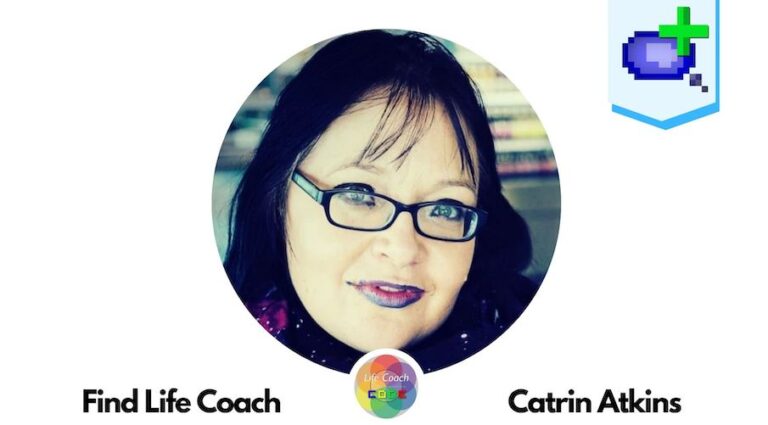
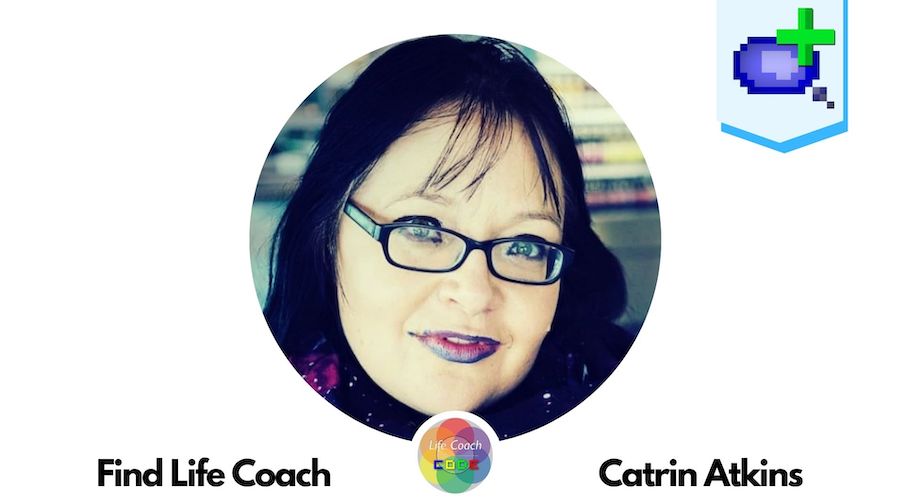
She impressed us with her bravery and dedication to help others understand themselves a little better. Here is what she said.
Meet Life Coach Catrin Atkins:
Name: Catrin Atkins Pillar: The Mind Who is this coach for: Anyone who wants to regain clarity and focus over their life. How they can help: By using techniques like CBT, NLP and often intuition.
First of all, how are you and your family doing in these Pandemic times?
We’re doing we thank you, so grateful to have two dogs to walk each day to give us some routine and so happy to have the flexibility of working from home!
How does the coronavirus pandemic affect your clients? Did it affect you at all?
If anything I was a little busier, especially over the summer of 2020 when people started realising they had more time to think about what they wanted in life.
Working from home was a bit of a challenge initially but I soon found my groove.
What are the biggest lessons that you learned in this pandemic?
1. That the little things in life really are worth celebrating.
2. That family and friends make all the difference.
3. That it’s OK to ask for help.
The Origin:
Tell us about you, your career, how you started with your coaching career?
As with everything, once I changed one thing, everything changed!
I spent up until 5 years ago not knowing what I wanted to do with my life and then me and my husband set up a software business together, I then set up a women in tech group as well as a life coach business.
What was your biggest obstacle that you had to overcome in your life that made you who you are today?
Probably my disability. I have Spina Bifida and Hydrocephalus which cry basically means that I walk with crutches.
Both society’s limitations and my own learnt behavior has at times made things harder for myself than they needed to be.
That’s whatI Iike about being in the coaching industry, as much as I’m helping my clients, I’m also helping myself work through limiting beliefs and upper limit problems all the time!
The Coaching Style:
How do you innovate with coaching your clients?
I use a variety of techniques such as NLP, CBT and good old intuition to help each person individually.
Oh and most of my clients are Welsh speakers and I offer my services in both Welsh and English.
What’s unique about your coaching approach?
(not sure how to answer that)
What benefits do your clients get after working with you?
Clarity and focus.
They like and understand themselves much better.
Do you use any specific tools to be efficient with your clients?
Listening twice as much as I speak.
The Impact:
If you had a super megaphone that, when you speak into, the whole world will hear your message, what would you say?
Be your own best friend. You can’t hate yourself into a version of yourself that you like.
Be nicer to yourself. Always.
What is the greatest lesson you have learned in your life?
That I can do pretty much anything I want to if I’m determined enough.
That life will always have curveballs but it’s the journey that counts, not the destination.
Your final thoughts?
No final thoughts.
Where Can You Find Catrin Atkins?
If you want to get in touch with coach Catrin Atkins you can do that via her LinkedIn profile.
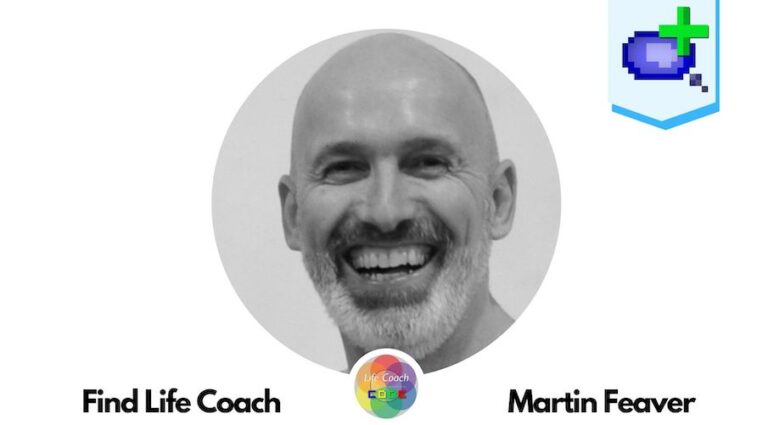
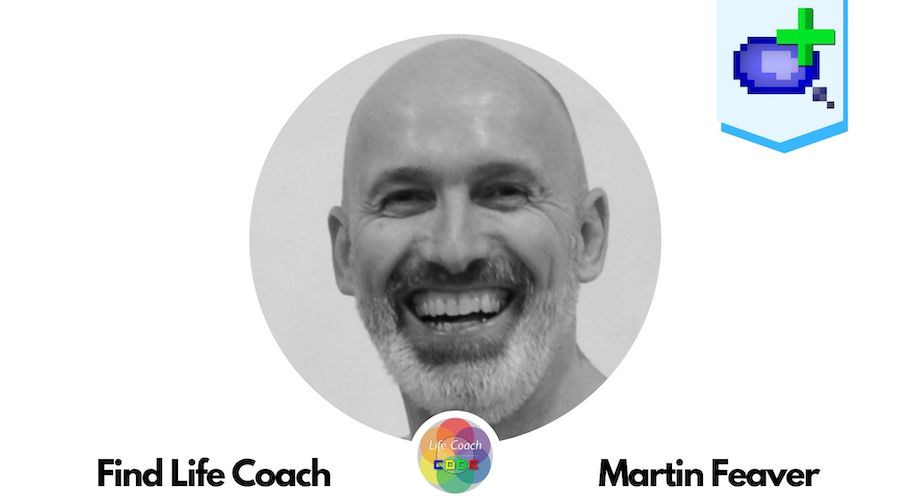
Martin Feaver is one of the coaches that we found and we did a little interview with him. He impressed us with his approach to coaching, instead of fixing “the issue” he helps you see that you were already good enough to begin with. Here is what he said.
Meet Life Coach Martin Feaver:
Name: Martin Feaver Pillar: The Mind Who is this coach for: Men who want to be free of limiting labels and live life on their terms. How they can help: Through a mix of talking therapy and physical theory.
First of all, how are you and your family doing in these Pandemic times?
Like others, the pandemic has been a mixed experience.
It has given me the opportunity to pause and reflect on how I was spending my time and where my focus was in my professional and personal life and how I want to take my life and business forwards.
I’m emerging with an awareness that what I offer is needed more now than ever.
How does the coronavirus pandemic affect your clients? Did it affect you at all?
Prior to the pandemic all my work was physically face to face. This meant I didn’t have any clients initially and claimed government support.
I felt I wanted to do something to help both my clients and people generally feel supported during our strict first lockdown and ran a free daily online 20 minute community coaching group. It was for 14 weeks and each day of the week had a specific theme.
The theme mattered; the connection more so. As I became more comfortable using virtual meetings I developed virtual catch up sessions with my clients to give them the opportunity talk with someone beyond their household.
If they lived alone this was even more important. These were not client coaching sessions since one of the conditions of the government support was to receive not I was not allowed to do my regular paid work.
I now offer online coaching sessions.
What are the biggest lessons that you learned in this pandemic?
That life is finite and life happens when you are planning for it.
Plans are possible outcomes and that when they don’t happen be flexible and go with the flow rather than push water uphill with a fork!
The Origin:
Tell us about you, your career, how you started with your coaching career?
When I started coaching it didn’t actually exist as it does now. There were no ‘coaching qualifications’ and my pathway to becoming a mind and body coach evolved.
I was a physical education teacher with a masters in Human Movement, had completed a dissertation in Physical Activity and Mental Well Being and was passionate about the physical AND mental benefits of moving the body.
I left the profession and set up my own business as a personal trainer, before there were personal trainers! I noticed there were gaps in my learning and skills to help my clients achieve their goals and set about broadening and deepening my knowledge.
Over the years my interest and knowledge and experience in the power of the mind and body connection is offered to my clients today through MASC, Men and Somatic Connection.
What was your biggest obstacle that you had to overcome in your life that made you who you are today?
Trusting myself.
The Coaching Style:
How do you innovate with coaching your clients?
Firstly I have a maximum of 10 clients on my books at a time. This means I can focus on them and not spread myself too thinly.
My clients also have to meet particular criteria to work with me. This saves them and me time, lets me know if they are ready to make changes and if they will benefit from working with me. These are the 5 fundamentals:
1. Change is Your Choice.
Regular coaching implies you are lacking and there is a mythical ‘better’ version of yourself that you ought to aim to be. This comparison is the thief of your joy. MASC Training challenges this and believes you are good enough now even if you don’t quite believe it. Every decision and choice you have ever made has got you to where you are today. That’s to be celebrated. You made it. You survived. Where you go from here is over to you.
2. Feeling Safe You Thrive.
Feeling safe to explore and discover you and your life is a fundamental element of every MASC Training experience.
You live your life according to how safe, or unsafe, you feel. Your brain is continually asking how safe am I now and how safe will I be in the future?
Your perception and prediction of your physical and mental safety rather than reality dictates your focus, choices, energy, habits, movement… absolutely everything in your life. It is determined by your experiences every day and throughout your life.
When you feel safe enough mentally, physically and emotionally your body and mind relaxes and you become aware of possibilities and opportunities instead of threats. You have the potential to thrive and perform at your best in every area of your life. Even the way you move improves!
3. The Mind and Body Connection.
Most people are stuck living in their head. They have a six lane motorway to their body and a cycle path back to their head.
You live and experience your life through your body and mind and you store those experiences and their impacts and outcomes in your body and mind. This interrelationship is the mind body connection.
Developing your awareness of the mind body connection with specific talking and physical interventions, MASC Training helps you release impacts and outcomes that no longer serve you and discover new mental and physical patterns that do.
You are mind AND body so train your mind and body!
4. Keeping the Chain Going.
Habits are our physical, mental and emotional patterns.
They keep the chain going and are the way we create, experience and negotiate our lives. Most we perform automatically, without thinking. Some we want. Others, well, we’d rather do without.
Repetition and consistency changes your mind and body’s wiring and brings results. Results keep you motivated and on track.
MASC Training contains practical tools and processes that empower you to ditch habits that no longer serve you and create and use habits to make changes happen in your life.
5. Put Your Own Oxygen Mask on First.
You are the most important person in your life.
That doesn’t mean no one else matters. Looking after yourself first is taking care of your own needs so you have the energy, kindness, love and focus to be there for others resentment free.
Recognizing it can be tough getting used to putting your own oxygen mask on first, MASC Training supports you to make sure it fits and works.
What’s unique about your coaching approach?
I use both talking therapy and physical theory.
Head down and body up! We hold issues in our tissues and our heads.
What benefits do your clients get after working with you?
They have faith and trust in themselves.
Do you use any specific tools to be efficient with your clients?
I employ people to do the tasks I am not trained in or don’t want to do.
The Impact:
If you had a super megaphone that, when you speak into, the whole world will hear your message, what would you say?
What other people think of you is none of your business. Be you.
What is the greatest lesson you have learned in your life?
I am good enough and always have been.
Your final thoughts?
There is no wrong or right way. I kept searching for THE answer. There isn’t one. There never was.
Where Can You Find Martin Feaver?
If you want to learn more about his philosophy and coaching you can visit the official website at https://www.martinfeaver.com/.
You can watch his video here and discover more about what he means when he says mind and body connection.
If you want to contact him you can do that via his contact form on his website or on his LinkedIn account here. It was an honor having this interview with him.