6 Ways How to Keep Your Mental Health in Check While Preparing for an Important Exam (like USMLE)

Most nursing or medical schools require students to sit for USMLE Step 1 towards the end of their second year.

Preparing for this exam is not a walk in the park unless you are among the few that quickly or immediately memorize stuff.

Your score for the assessment test determines both your residency programs and specialty choices.

For this reason, most students spend sleepless nights going through volumes of books.

Here you can learn how to become a nurse practitioner NP.

Depression and anxiety rates heighten during this period due to fear of failing, competition from peers, lack of rest and self care. Unfortunately, studying under such conditions may be counterproductive in your learning.

While the test is essential, nothing is of the essence than your mental well being. The following guiding principles will better your exam preparation experience.

6 Ways How to Keep Your Mental Health in Check While Studying:

how-to-keep-your-mental-health-in-check-while-preparing-for-an-important-exam

1. Create a reasonable study schedule.

Much like running a marathon, you need to pace yourself as you study for your exam.

The temptation to read or learn more than your mind can handle will be there.

However, resist that feeling as it may lead to burnout and limit your information retention.

For example, studying for 10 hours each day the entire week is not reasonable.

When creating your study plan, be sure to include a day or two off and breaks in between your timetable.

Setting aside at least 2 hours each day to study is fruitful and an easy plan to stick to.

2. Engage in physical exercise.

Setting aside 30 minutes of exercise each day may feel like a waste of time for any medical student. However, exercise helps you unwind, relax and recharge. It is also proven that it promotes good mental health.

Running on a treadmill makes you less anxious and more focused.

Consider going to the school gym for some yoga sessions or circuits.

When you take some time off to meditate, you come in touch with your feelings, including negative emotions and stressors.

Looking at the 30 minutes spent on exercise through a different lens will help you decipher the importance of exercise in your study routine.

3. Ask for help.

Most med students shy away from asking for help due to the fear of appearing weak or incompetent. However, your school peers may help you understand a particular concept better and easier than you would by yourself.

Besides course related help, personal issues such as a strained relationship affect your mood and interfere with your learning ability.

Keeping your mental health in check includes asking for professional help from a therapist or counselor.

A session with your specialist helps you become self aware and come up with a solution to your predicaments. Asking for help allows you to be in the right headspace as you prepare for your exams.

4. Maintain a healthy diet.

Most medical students opt to eat out or resort to processed foods due to the demanding nature of cooking. Unfortunately, added sugars may affect how you concentrate as you study.

The role of nutrition in the optimal functioning of your body cannot be overstated.

Keeping a healthy diet can be challenging for any medical student as preparing food can be time consuming.

However, tips such as setting a day to prepare meals to last you a given time can be helpful.

To completely evade the stress of cooking, you can move to your parents’ home. Doing so will save you much time and keep you healthy.

5. Talk to someone close.

Talking to classmates may not be a good idea as it could be a source of more stress.

Other people like parents, siblings may be an option when you need to vent out.

You may also express your feelings to a nurse who went through the process before.

Seeing that they went through the same gives you confidence and motivation to go on.

6. Take a break.

It is easy for medical students to forsake rest as they prepare for the exam.

However, lack of rest puts you at risk for burnout.

The brain can only take much information for a set time, exceeding that makes your learning counterproductive.

Ensure you get adequate sleep at least 8 hours each day or more when need be.

Other ways to obtain rest include setting a day off your study routine, engaging in your favorite sport in the evening, or scheduling some fun such as a movie night out with friends.

What You Should Remember?

Preparing for a serious exam is stressful, there is no going around that. However, that stress doesn’t have to stay within your system or harm your mental health.

While the exam preparation period can be stressful, prioritizing your mental health keeps you on the safer side and improves your productivity.

Try the advices we shared in this article and maintain a good mental health.
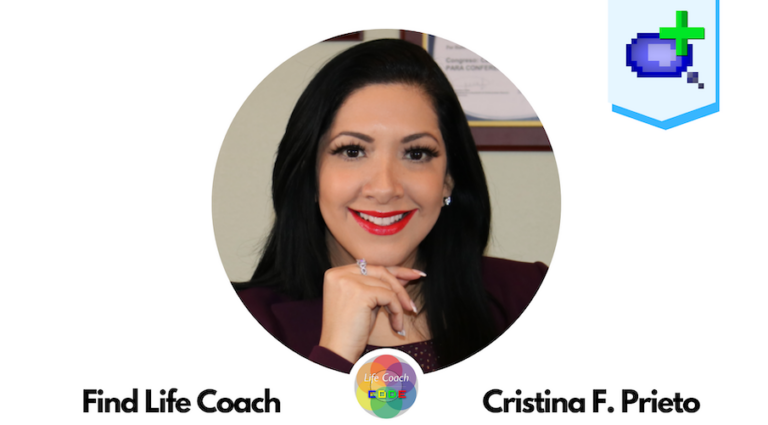
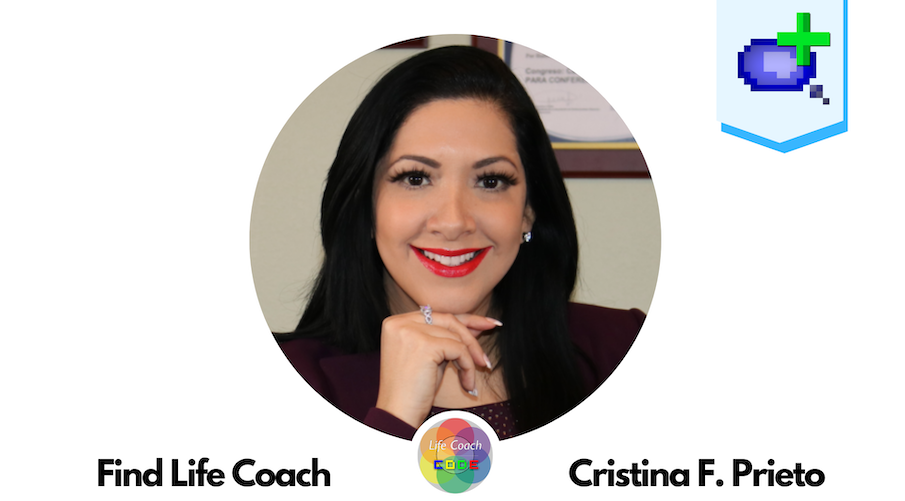
Find Life Coach | Meet Cristina Faneite Prieto: How to Increase Your Self Esteem to Reach Your Goals?

Cristina Faneite Prieto is one of the coaches we found and we did a little interview with her. She impressed us with her dedication to help others reach their goals and become more confident in themselves. Here is what she said.

Meet Life Coach Cristina Faneite Prieto:

find-life-coach-cristina-faneite-prieto

Name: Cristina Faneite Prieto
Pillar: The Mind
Who is this coach for: Anyone who wants to establish strong belief in themselves and reach their goals.
How they can help: By using the 9 Masteries by IAC and customizing the approach to each unique individual.

First of all, how are you and your family doing in these Pandemic times?

Firstly, we were shocked because everything was new in the common activities.

After that, I needed to adjust my common activities at home to some different routines. It was the moment when I decided to enjoy the change at a new different time.

I decided to defer some projects to attend to family priorities as a home schooling for my son, other projects moved from face to face to online, always working from love and faith that everything would turn out well. Fortunately, my family and I survived healthily.

Finally, my family and I were safe. We were blessed and grateful.

How does the coronavirus pandemic affect your clients? Did it affect you at all?

Absolutely, the Pandemic has affected my clients and me.

It is because I need to reschedule every activity and designed a new strategy to adjust my life and my clients to “the new normality”.

It was an unexpected stop.

I call the pandemic time a “momentaneous stop”. It was a big challenge that pushed me to develop a new plan, including different routines indoors and outdoors keeping in my mind the same goals.

I improved all tools online providing some guideline orientation to my clients.

What are the biggest lessons that you learned in this pandemic?

I learned many new things.

Firstly, I learned the plans must be flexible but the goal no. It is to adjust these aspects to my plan to a new type of way to do things keeping the same goal.

Secondly, I developed my ability to adapt my skills to unexpected changes, resilience.

Finally, I began to use an important and keyword in my life and it is “prioritizing”. I learned to adapt my plans to any unexpected new situation.

I understood too, that the family is what matters most in the life.

The Origin:

Tell us about you, your career, how you started with your coaching career?

My career connects with my passion. It is to understand and analyze human behavior. Moreover, it involves studying the human mind.

Being a psychologist, I love to support people to achieve their goals.

I am doing that using useful tools for the people.

For instance, I share my knowledge through my books. The content of my books helps people to achieve a successful lifestyle.

My proposal is to promote an internal coach that helps people to achieve their goals.

What was your biggest obstacle that you had to overcome in your life that made you who you are today?

When I was a young girl, I had a type of ability to support people to conduct them to achieve their goals.

Also, mental health was a topic that engaged me. However, I grow up and I become an Industrial Engineer.

My bigger obstacle was when I decided to leave my career as an Industrial Engineer.

I had decided to begin a new career and following my feelings in Psychology.

I become a Psychologist and Life Coach.

Currently, I realized that my mission is that the people find the path to be happy developing his life mission.

The Coaching Style:

How do you innovate with coaching your clients?

I am innovating my coaching with a systematic process. It is through using 9 masteries of the (International Association of Coaching).

Firstly, I have incorporated my own method to increase self esteem for my clients.

My goal is to support them to be able to achieve their goals. It includes using some strategies that support them to understand the importance of the concept of self belief as self efficacy and define it as a belief in one’s capability to accomplish goals that influence the events in one’s life.

Secondly, I help my clients break free from the past which eliminates unnecessary burdens and help us to better process the present.

What’s unique about your coaching approach?

As a psychologist, I consider I have a greater overview of human behavior.

I believe in the humanist psychology where people can reach self realization by themselves.

As a Coach, I have incorporated the IAC, the INTERNATIONAL ASSOCIATION OF COACHING masteries in my life, they are natural and easy for me to apply.

As an industrial engineer, I know the way to create the systematized processes to meet the objectives conducting to my clients to achieve their goals.

What benefits do your clients get after working with you?

1. Better emotional management.

2. Clarity of the current situation.

3. Knowledge of the resources they have.

4. Security in their self about reach the goals.

5. Detailed plan about the step by step process and actions that they need to do to reach every goal.

6. A new vision and new goals.

7. The people end the session feeling that the proposed actions will produce the expected results.

8. They can’t wait for start to do.

Do you use any specific tools to be efficient with your clients?

I practice the empathy, unconditional love and total acceptation about the person in front of me.

Every case is different, and I use tools suited to each person, but I always follow the nine masteries of the IAC.

The Impact:

If you had a super megaphone that, when you speak into, the whole world will hear your message, what would you say?

You need to be happy today. The happiness is your purpose in this life.

Tomorrow is uncertain and yesterday will never come back.

You have everything you need. Believe in yourself.

If you feel that you can’t reach your goals alone, please seek for help.

What is the greatest lesson you have learned in your life?

The greatest lesson I learned in my life was to understand how to listen the voice of my intuition.

That voice pushes me to make the best decisions in my life, my aim is sharpened, and you are led by the creative source to fulfill your life plan.

In my opinion, the voice of intuition is a type of potential resource all humans have.

Since I was guided by that internal voice I am on the right path in my life.

Your final thoughts?

As my final thought I am considering Coaching as one the most important and bigger tool that everyone should try.

In a session of coaching, you can comprehend the actual situation and the desired result.

When you have goals every year but you don’t reach them, you need a coach that help you to decode your skills to start designing a specific plan to get their goals that will keep you motivated and going.

I consider these factors could move the people to avoid procrastination.

Remember that a coach is a value and capable person to make you turn out your dreams in a beautiful reality.

Where Can You Find Cristina Faneite Prieto?

If this interview resonated with you and you want to get to know Cristina’s work a little better go and check out her website www.cristinafaneite.com where you can also discover more about her exact offers and personal background.

You can also follow her IG account @cristinafaneite and stay up to date with her coaching. It was an honor having this interview with her.

6 Ways How to Shrink Your Pores Naturally

Enlarged pores are many people’s reason why they’re conscious of their skin.

Although pores are a normal part of the body, they can be a nuisance if they’re visible and enlarged.

Yes, pores are normal. But oftentimes people aim for the “flawless”, smooth, and blemish free appearance of the skin, especially now that the natural makeup look is a trend.

Although the visibility of pores can be easily covered up with some makeup, it’s not a long term solution.

To add, makeup may even contribute to the enlargement of pores.

So, in order to understand how to minimize the pores naturally we first need understand what they really are.

What are Enlarged Pores?

If not all, most people know what pores are.

Pores are found all over the body, anywhere where there’s skin.

Some pores are less visible than others, depending on where they’re located.

The most visible and first to be noticed pores on the human body are on the face.

But when pores are enlarged, it’s hard not to notice.

Enlarged pores are quite common and tend to appear larger as one ages.

What Causes Enlarged Pores?

For some people, genetics is a big contributing factor to their enlarged pores.

Although some people are at an advantage with their pores due to their genetics, that doesn’t mean other people are excepted from enlarged pores.

Other factors such as excess sebum production, sun damage, and loss of skin elasticity due to age contribute to enlargement of pores too.

Regardless of skin type and genetics, many people want to achieve a “poreless” face.

6 Ways How to Shrink Your Pores:

how-to-shrink-your-pores-naturally

Pores will always be present since they’re a natural part of the skin. Although spa treatments or therapies, skin treatments, and the like can help with this, there are ways you can do on your own to minimize their visibility too.

1. Use Pore friendly Products.

Non comedogenic products are pore friendly because they don’t clog up pores.

But what do clogged pores have to do with enlarged pores?

When pores get clogged, this will stretch them causing them to become enlarged.

2. Exfoliate Every Other Day.

If exfoliating isn’t part of your skincare routine yet, then it’s time for it to be.

Exfoliating regularly has many benefits, and your pores will thank you for it.

Exfoliating regularly helps prevent clogged pores at the same time improves the absorption of skincare products.

With dead skin cells, oil, and more removed from the skin, it helps the skin renew itself better.

There’s no excuse to skip exfoliating your skin now.

3. Keep Your Pores Clean.

The best and basic way to keep pores clean is by cleaning them every day.

By cleaning pores, you’re preventing clogging thus preventing gunk to take place and stretch it and make it more visible.

To supplement the cleansing, don’t forget to apply a makeup remover to ensure that no product is left on your face after washing it.

4. Use Sunscreen.

The sun is a great source of vitamin D.

However, too much of a good thing will not yield positive results.

In fact, the polar opposite may happen.

Sun damage contributes to the loss of elasticity and firmness of the skin, among other things.

But this alone can cause pores to start looking larger.

Sunscreen can prevent this from happening by giving that layer of protection your skin needs to combat the damaging UV rays.

5. Hands off Your Face.

We use our hands every day, for many things, and in many places.

With that said, our hands are exposed and are high to come in contact with bacteria.

If you have a habit of touching, itching, or picking at your face, you may be exposing your skin to bacteria.

Other than bacteria, it may even introduce an infection to your body.

Do your skin and your health a favor by breaking this habit for good.

6. Get a Good Night Sleep.

Notice how your skin looks more dull and tired when you lack sleep?

If you read our articles you probably know that we are big ambassadors for quality sleep.

Cells, including skin cells, regenerate in our sleep.

The lack of it makes wrinkles, dark circles, and pores more visible and prominent.

A simple yet often underestimated solution to this problem is to get the right amount of sleep.

The CDC recommends at least 7 hours for adults aged 18 and above.

Remember, your cells regenerate in your sleep, and it’s not just your skin cells.

What You Should Remember?

Wanting a clear complexion is normal, but so is having enlarged pores. Fortunately, enlarged pores are reversible, meaning there are things you can do to make them “disappear.”

But just like any skin treatment, patience and consistency are needed to get the results that you want.

Besides, these changes will benefit your skin for the better either way.

7 Productive Ways How To Reduce Your Financial Anxiety And Stress

Do you feel like your financial stress is taking over your life?

It happens to the best of us, but there are ways that we can reduce this stress.

For many people, that’s root of immense stress and anxiety.

Financial anxiety often leads to increased stress levels, which can negatively impact both your health and happiness.

If you feel stressed about money, it is crucial to find effective methods for reducing your stress level to get back to living life without constant worry.

7 Ways How To Reduce Your Financial Stress:

how-to-reduce-your-financial-anxiety-and-stress

1. Organize Your Finances.

Do you feel like your finances are in chaos?

Taking control of your finances can reduce anxiety.

If you don’t know where all of the essential papers and documents are or just feel overwhelmed by your bank statements, start by finding a central location for storing these items, such as filing cabinets, boxes, etc., to make them easy to find when needed.

Then set up some payment system so that bills get paid on time each month without worrying about forgetting anything or wondering if there was enough money in the checking account to cover the bill.

2. Review Your Expenses.

Do you feel like there isn’t any room left in your budget after paying all of your bills?

If this is the case, it is time to step back and see where funds are not being allocated correctly.

It will help to create monthly budgets for each category so that you can track spending throughout the month and then monitor what’s going on with those numbers.

You might find areas where costs are higher than they need to be or even ways to lower expenses by making changes such as driving less or eating out less often.

Once you have identified places where money can be saved without sacrificing too much happiness, start looking for practical ways to make those changes.

You may be surprised at how much money you can save each month simply by making a few simple adjustments.

When was the last time that you took stock of your financial situation?

If it has been too long, take some time to do so and see what changes need to happen for money, not to stress you out.

Then go ahead and prioritize these areas and start looking for practical solutions that will help ease any anxiety related to finances.

3. Stay Informed.

Do you find yourself wondering what the stock market is doing or why your retirement fund isn’t growing as quickly?

If this sounds familiar, then it’s essential to take some time to learn more about how investments work and the best investments right now for you.

This doesn’t mean that you have to spend hours each day looking at financial news reports but rather learning enough so that money won’t stress you out.

For example, if some changes in the economy may affect your job security, educating yourself can help ease any anxiety related to finances by giving an idea of whether or not more long term plans will need adjusting.

4. Take Advantage of Tax Benefits.

Are you freaking out about filing your taxes?

If so, it might be time to look into tax benefits that can help reduce the amount owed.

Not only will this mean less stress come tax day but also a little bit more money in your pocket for things like vacations.

Take some time to go over all of the important documents such as W forms and bank statements before meeting with an accountant or filing online so that you have everything ready to go when it’s needed.

If possible, look at ways to increase deductions during the year by making sure enough charitable donations are made.

These changes aren’t just good for reducing financial anxiety but can also provide additional tax benefits.

5. Prioritize Your Financial Goals.

Do you have a big trip coming up or want to buy a house in the future?

If so, then it’s important to prioritize your financial goals and start saving today.

Begin by creating an emergency account with enough money saved so that any unexpected costs can be covered.

This will help reduce anxiety related to finances because there is no need for additional debt when these expenses come up.

Next, set some long term savings goals such as putting away at least 15% of income towards retirement each year if possible and making sure that all debts are paid off within five years from graduation or starting work.

These may seem like lofty goals, but they are achievable through proper planning, which means less stress down the road.

6. Write Out a Plan.

Do you have a plan?

Once you have taken the time to analyze your financial situation and start making changes, it’s important to write out a plan for how the money will be spent moving forward.

For example, if you plan on taking an overseas trip in two years, make sure that all of the funds needed are accounted for and any additional expenses like visas or travel insurance.

Writing things down won’t be uncertain about finances, which can cause anxiety but rather peace of mind knowing exactly what needs to be done and when it should happen.

7. Don’t Overindulge.

Do you find yourself spending more money than intended after a celebration or holiday?

If so, then it’s important to learn how holidays and events can influence personal finance decisions.

For example, many people feel the urge to spend more during times of happiness which is often due to feeling a need for immediate gratification without considering whether or not purchases are needed.

It’s essential to stay in control throughout all stages of financial decision making by knowing what will truly bring happiness and what won’t and learning how your emotions can put your finances at risk.

What You Should Remember?

Most people live stressed out lives but you don’t have to be one of them.

These are just a few tips to reduce your financial anxiety and stress.

Try them out today so that you can start feeling better about money and life.

5 Proven Ways How to Cope With Anxiety Naturally

Anxiety is normal and can happen to anyone.

Are you one of those people who get nervous on the first day of a job? Are you the one who is afraid of meeting a new person?

If yes, then you should overcome the fear now.

But how?

You only need to identify the triggers.

The process can take some time, but slowly you will start recognizing them. At the same time, you need to have a stress management plan to live with it.

Here are a few tips to help calm your anxiety naturally.

5 Ways How to Cope With Anxiety Naturally:

how-to-cope-with-anxiety-naturally

1. Pen down your thoughts.

The easiest thing you can do to overcome fears is to write them on paper.

Writing them down can help you get the negative ones out of your mind easily.

If you are a person who likes to keep things under wraps, then penning down things is a good idea.

You can follow this practice every morning and evening.

Believe it or not, you will feel much lighter and better.

2. Meditate everyday.

Meditation is one of the best ways to calm down your fears.

Try and take a few minutes out of your busy schedule to meditate daily.

If you are unsure about the correct technique and way of doing it, you can join classes or watch a few videos online.

Focusing on your body and soul will relieve you from all the stresses of life.

You will become more focused and can face any situation with calmness.

3. Find stress relief with a wellness aid.

If nothing works, try a natural wellness aid.

It is one of the safest ways to calm down your stress and fear without worrying about the side effects of medication.

Trying shroomies edibles is a good idea because they work naturally.

Research studies show that psilocybin in magic mushrooms can reduce anxiety and depression in terminally ill patients.

It also works for curbing treatment resistant depression.

Start with a small dose and get a step closer to a stress free life.

4. Try aromatherapy.

Aromatherapy uses natural essences to induce relaxation.

Scents such as lavender, sandalwood, rose, and chamomile in candles, oil, or incense can be quite soothing.

Aromatherapy helps to activate receptors in your brain to ease anxiety effectively.

Research for the right scent, and keep them in your living space.

Just a few drops of essential oil in your bathtub can relax your body and brain.

5. Connect with nature.

Nature is a great source of calmness and serenity.

Take a walk outdoors early in the morning to keep yourself fresh.

Also, you can exercise or meditate in the park to find peace.

For more fun and positivity, you can call your friends and family members to join in.

Beautiful nature and fresh air will help you heal and also make you proactive.

What You Should Remember?

Anxiety is not a disease.

It is a state of mind.

Correct it by following these tips and see the difference.

They help you live with anxiety, but without compromising the quality of life.

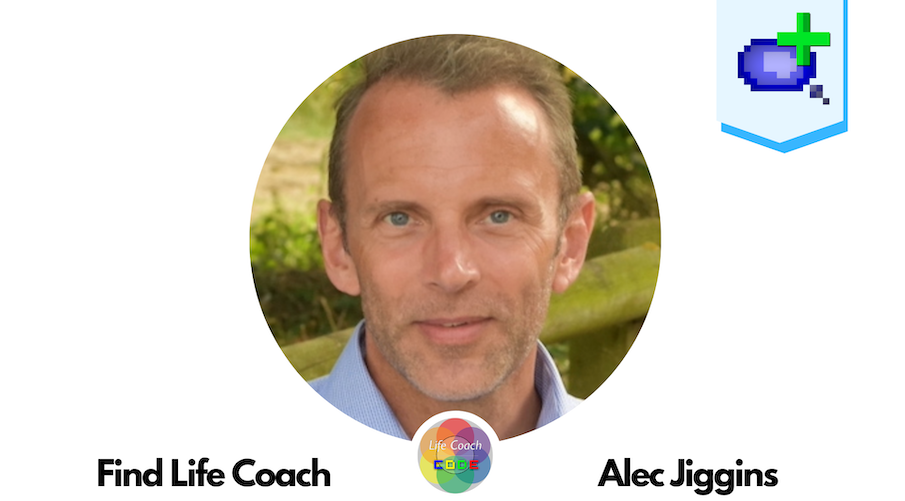
Find Life Coach | Meet Alec Jiggins: How to Develop an Unshakeable Mindset?

Alec Jiggins is one of the coaches we found and we did a little interview with him. He impressed us with his no BS approach to coaching. Here is what he said.

Meet Life Coach Alec Jiggins:

find-life-coach-alec-jiggins

Name: Alec Jiggins
Pillar: The Mind
Who is this coach for: Anyone who wants to develop an unshakeable mindset that will help them push past their limits.
How they can help: By using various techniques, models as well as NLP and action promoting questions.

First of all, how are you and your family doing in these Pandemic times?

Thankfully, we are all fine.

My family and I moved back to the UK from Singapore mid pandemic, which was a real challenge. It’s lovely to be close to family, finally putting down some roots after 16 years overseas.

For me, the pandemic has helped me to strip away lots of superfluous beliefs and really focus on what’s important.

Being physically isolated made me really value the closeness of being with my family and friends, and now that we are able to travel and see people, I am determined to really build and cherish each relationship.

How does the coronavirus pandemic affect your clients? Did it affect you at all?

Coaching is person centered, so switching from face to face to online presented me with an opportunity to challenge my beliefs around coaching, learn some new skills, and show up powerfully online for my clients.

The pandemic has created new challenges for all of us, whether that be in our careers or families.

It’s thrust the frailty of human existence into everyone’s awareness, and my clients.. and myself.. are asking deeper questions of themselves. I help them to find the answers.

What are the biggest lessons that you learned in this pandemic?

The quality of our life is determined by the quality of our relationships, so stay connected, even remotely.

One of our basic human needs is to feel part of a community.

I made a conscious decision of “nobody left behind” so I connected with friends, clients, former clients and colleagues, even total strangers, to make sure that we all felt connected.

The Origin:

Tell us about you, your career, how you started with your coaching career?

I’ve been coaching, in one way or another, since I was in high school. I have always been fascinated by people, their drive and motivation, and how to be successful.

I wasn’t a particularly good student at school, and didn’t have THAT teacher who stood for me. I left school at 18 with average grades and no real plan to achieve my goal of becoming a journalist. Through sheer determination and a lucky break, I landed a job with a newspaper and slowly learnt my craft, developed my skills as a writer and editor.

My own immaturity was a major obstacle to feeling fulfilled, so I began a search for meaning. I quit my job and went to university to train as a teacher, as I had always enjoyed working with young people. I got the teaching bug, and was naturally drawn to working with teenagers who were struggling. In many ways, I identified with their journey and wanted to connect with them and help them achieve their potential.

I was promoted to Head of Department at the end of my induction year, and found myself coaching a newly qualified teacher. I discovered that I really enjoyed helping adults achieve their potential, not just teenagers. During my career in education, I worked with my own coach as I was struggling with imposter syndrome, feeling overwhelmed, and ultimately burning out. It was transformational for me and led me to train as a coach.

In my career, I’ve started two successful new schools and turned around a failing school, and all of this has been possible by developing my own unshakeable belief, a growth mindset, and by coaching and building high performing individuals and teams. No two people are the same, so I start where my client is, and we co create the rest.

Every year, Dr Marshall Goldsmith generously offers scholarships for coaches to train in Stakeholder Centered Coaching. I applied three years in a row before I was successful, so resilience does pay off. I’m now a certified leadership coach with both Marshall Goldsmith and the Global Coach Group.

What was your biggest obstacle that you had to overcome in your life that made you who you are today?

My imposter syndrome, choosing to believe in myself.

There have been times in my life when I have slipped into a disempowered state, at times even into a victim mentality.

What helped me overcome this?

1. Working with coaches. I am not the same person I was six months ago, let alone 10 years ago. My self awareness and self belief have grown massively.

2. Letting go of my ego. It wasn’t easy, trust me, but accepting myself, being 100% authentic, and living according to my values are my superpower.

3. My purpose. I truly believe that when you are living your purpose, your passion, then you are thriving. Serving others is my purpose, coaching is the vehicle I use.

The Coaching Style:

How do you innovate with coaching your clients?

“If you change the way you look at things, the things you look at change.” — Wayne Dyer

My coaching is based on my clients developing an unshakeable belief in themselves, a mindset that is set to “thrive” and not “survive”.

I don’t do warm and fuzzy.

My coaching is like having a drill sergeant for your mind.

Pain is a by product of growth, suffering is optional.

I want all of my clients to become stronger, more empowered, making powerful choices in their lives.

In either my individual or group coaching programmes, my clients have the benefit of belonging to an online community, which is great for promoting accountability, collaboration, and supporting one another.

What’s unique about your coaching approach?

Other than my life experience, absolutely nothing. I am unafraid to share my own personal failings, the lessons learnt, and the insights I have about it now.

Our past does not equal our present or future, so breaking the cycle of beliefs and behaviors is at the heart of my coaching.

In essence, I stand for my clients, give them my full and absolute attention and integrity, and support them in making powerful choices.

I start from where they are, using tools and questions to move them towards their goals, but always focused on building an unshakeable belief in their potential.

I use a range of coaching techniques and models, including NLP, through individual coaching, group coaching, online and face to face with my clients.

What benefits do your clients get after working with you?

By its very nature, coaching is intangible, you’re not buying a washing machine.

My clients find greater clarity around what they truly want in life, develop an unshakeable mindset, and build the behavioural changes and habits that are going to enable them to be authentic and live their best life.

My clients have achieved promotion, quit their jobs and started their own businesses, found greater work and life balance, a sense of calm and improved wellbeing, and dialed down the voice of their inner critic.

Do you use any specific tools to be efficient with your clients?

I use a range of different tools with clients, including an online booking system for sessions, recordings of each session for reflection, and a community group for support.

The Impact:

If you had a super megaphone that, when you speak into, the whole world will hear your message, what would you say?

You are enough.

You cannot fail.

It can be done, and you can do it.

The only difference between fear and excitement is your attitude about it.

What is the greatest lesson you have learned in your life?

Self Belief is everything.

Before Roger Bannister ran the four minute mile, everyone believed it was impossible. His record lasted just 46 days before it was broken, by someone who knew it was possible.

Life is about choosing, every moment, to believe, how to be. Letting go of expectations, just being in the moment, being responsible, being aligned with one’s values, believing in oneself.

We all slip, from time to time.

Coaching has helped me to develop a greater self awareness, so I can catch myself and my clients when this happens, and pivot into an empowered state.

Your final thoughts?

Life is created, minute by minute, by the choices we make.

You can only join up the dots when you stop and look backwards, but you have to live it looking forwards, so believe in yourself and go for it.

I have reinvented myself, been fired, pivoted careers, lived in seven countries, failed more than I’ve succeeded, and I am leaning into the fear and going flat out for it.

Where Can You Find Alec Jiggins?

If this interview resonated with you and you want to get to know more about Alec’s coaching go and visit https://alecjiggins.com you will find everything about him and his method.

If you want to contact him directly you can do that at [email protected]. Don’t be shy, send him a message and he will make sure to answer your questions. It was an honor having this interview with him.

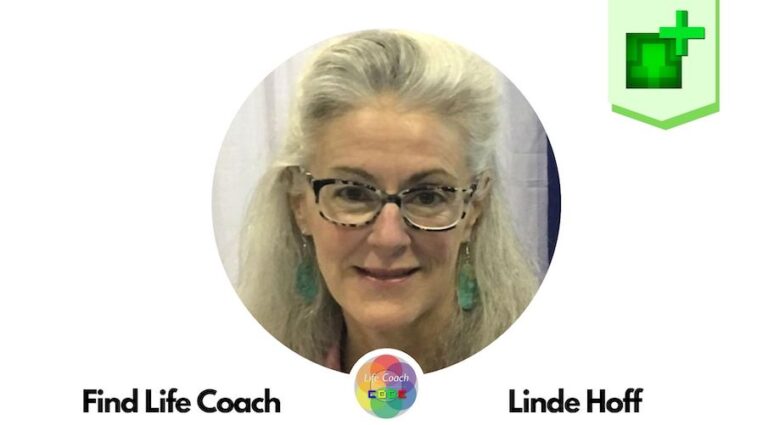
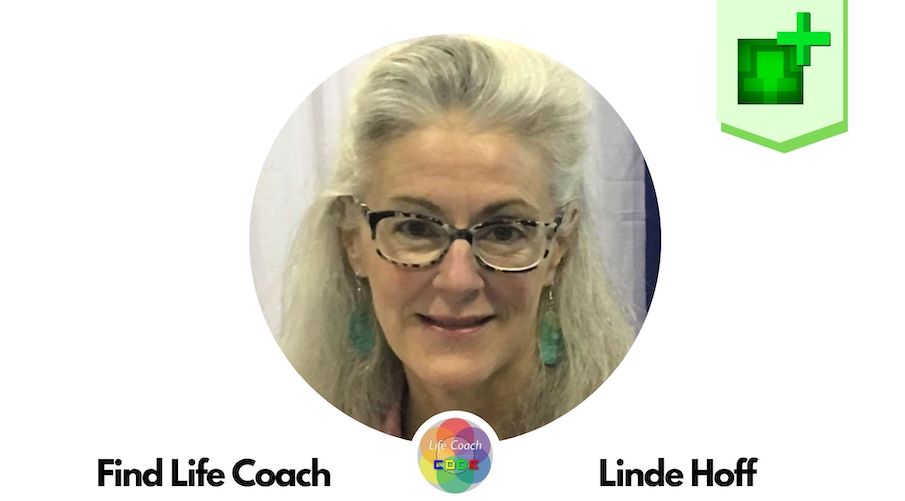
Find Life Coach | Meet Linde Hoff: How to Eat Your Way to Better Health?

Linde Hoff is one of the coaches we found and we did a little interview with her. She impressed us with her approach to health, especially the connection between healthy diet and mental health. Here is what she said.

Meet Life Coach Linde Hoff:

find-life-coach-linde-hoff

Name: Linde Hoff
Pillar: The Body
Who is this coach for: Anyone who wants to improve their overall health, lifestyle and wellbeing.
How they can help: By listening, using empathy and applying unique guidance customized to the individual, working as a team to improve the health, habits and lifestyle.

First of all, how are you and your family doing in these Pandemic times?

We are doing as well as can be expected.

We have adapted and have moved more of our work to our homes, and are grateful we were able to do so! It was an adjustment, but we are making it work.

How does the coronavirus pandemic affect your clients? Did it affect you at all?

The coronavirus pandemic affected my clients in various ways, but it mostly brought anxiety and fear about not knowing what the future would hold for them and their families.

Many weren’t sure about their financial futures or if their job would continue. Others were concerned about older family members.

Clients suffered increases in stress, for sure.

As for myself, it certainly did affect me, given I have elderly parents. I was concerned about them getting ill, although they were very cautious.

What are the biggest lessons that you learned in this pandemic?

The biggest lessons I’ve learned are:

1. Be kind, because you have no idea what someone else might be going through.

2. Think before you act or type, because I saw and read so many unbelievable and inappropriate things online that people probably wish they could take back.

3. Breathe. When in doubt about something, take a big breath, count to ten, and then decide whether whatever you were thinking is still a good idea.. like that second helping of food, buying that shirt you don’t need, etc.

The Origin:

Tell us about you, your career, how you started with your coaching career?

After carrying out the duties of Clinic Director and Case Manager and Wellness Coach for an out patient psychiatric and addictions clinic, it became evident how important the coaching role was for individuals to stay on track for their treatment program with their physician and to improve their lifestyle overall.

It was then I became increasingly motivated to take further steps in my career to offer more to people who struggled in a wider variety of issues.

What was your biggest obstacle that you had to overcome in your life that made you who you are today?

When I was a sophomore in college, I contracted rheumatoid arthritis and was very ill for several months.

I had difficulty getting around physically and had to take a lot of medications to get it under control.

At a time when a young girl should be enjoying herself, I wasn’t, and, instead, I was on an extremely restricted diet and unable to do the things my classmates were doing.

It taught me the importance of health and one’s lifestyle and diet.

Fast forward to today, and through proper exercise and a good diet, I have been able to control the disease without medications. In fact, it’s in total remission.

This experience has made me believe one can overcome a diagnosis, within reason, if one tries hard enough.

The Coaching Style:

How do you innovate with coaching your clients?

Through motivational interviewing and active listening, I approach each client uniquely and innovate with them on a personal level.

We are all separate individuals and respond differently to different stimuli, no two people are alike. Therefore, a cookie cutter approach won’t work.

We work together as a team, with the client in charge.

I am there to assist in guiding along the journey.

What’s unique about your coaching approach?

My coaching approach is tailored to the unique individual, it’s not about me!

What benefits do your clients get after working with you?

After working with me for a contracted amount of time, I send my clients a signed copy of my cookbook, free of charge. It’s titled “Eating Your Way to Better Mental Health”.

Do you use any specific tools to be efficient with your clients?

Empathy and my ears for listening.

The Impact:

If you had a super megaphone that, when you speak into, the whole world will hear your message, what would you say?

We only have this one life and this one body, so be kind to yourself and the beautiful vessel you inhabit. It’s amazing and will treat you well if you allow it.

What is the greatest lesson you have learned in your life?

It’s really not about you.

We think people are staring at us and criticizing us, when, in reality, they haven’t even noticed us, because they’re too busy worrying about themselves. Relax!

Your final thoughts?

In this time of high tech and automated everything and hustle and bustle, we have sky rocketing suicides, terrible rates of depression and anxiety, and a society of people stressed for a variety of reasons.

We need to connect more, not in a technical manner, but in a human way.

Through coaching, I find such gratification in doing this.

It might sound simple, but sometimes, less is truly more.

Where Can You Find Linde Hoff?

If you resonated with what Linde said, you can find all about her coaching on her website at www.LindeRHoff.com, so don’t shy away from checking her out.

Also, if you are interested in her book “Eating Your Way to Better Mental Health” you can check it out here. You’ll find all the recipes that she gives her clients inside the book. It was an honor having this interview with her.

Here is How Bad Breathing Habits Affect Your Wellbeing

How often do you pay attention to the way you breathe?

It’s understandable that most people seldom consider their breath and how bad breathing habits may be affecting their health.

After all, the process we repeat an average of 20,000 times per day seems to be an automatic one that doesn’t necessarily require any conscious intervention.

While you can usually leave your body to handle your breathing for you, there’s good reason to be more mindful of it.

For starters, not breathing correctly can make you sick. It can deprive your lungs of oxygen, leaving you prone to illness and stress.

There are many other aspects of wellbeing that are negatively affected, and we’ll look into them below.

Why We Have Bad Breathing Habits?

Now more than ever, we are prone to certain behaviors that don’t lend well to breathing properly.

This includes sitting at desks for extended periods and being exposed to continual states of anxiety and pressure.

We have gotten used to taking short, shallow breaths that mirror the stress inducing effects of hyperventilation.

Over time, these symptoms can accumulate and create lasting tension, which may contribute to poor posture and higher risk of developing respiratory conditions such as asthma.

How Bad Breathing Affects Your Wellbeing:

Cognition

In a study carried out at Northwestern University, researchers found that breathing and cognitive function are connected.

By only breathing from the top part of your lungs, the balance of oxygen and carbon dioxide are disrupted, and thinking is impaired.

Blood rate and Cortisol

Shallow breathing also increases blood pressure and heart rate, ramping up cortisol production. All of it induces your stress levels.

Endurance

Another risk of bad breathing habits is that they reduce the use of respiratory muscles. This lowers your endurance and makes you feel out of breath sooner.

Sleep

Finally, there’s the matter of sleep. If you read our articles you know that we are big ambassadors of quality sleep. We often rant about the negative effects of not getting enough sleep.

Taking fewer deep breaths can lead to difficulties with sleep, along with increased headaches and back pain as a result of less diaphragm engagement.

The negative effects of bad breathing habits reach far and wide when it comes to your wellbeing. So, what should you be doing instead? Let’s take a look at how you can reduce shallow breathing.

How to Breathe Effectively:

how-bad-breathing-affect-your-wellbeing

An important first step is to stay mindful and recognize bad breathing habits.

You can try the following simple exercise to establish the difference between deep and shallow breathing:

1. Lie on the floor with your hands on your stomach.

2. Take note of whether your chest or diaphragm rises when you breathe.

3. Focus on breathing into the lower part of your torso.

4. Take long and slow breaths through your nose.

As the last step suggests, you shouldn’t be breathing through your mouth, an increasingly common habit with endless negative effects.

In a study published by NeuroReport, it was found that breathing through the mouth can increase sleep apnea, raise blood pressure and put you at risk of harmful heart problems.

That said, putting an end to mouth breathing can be challenging, especially when it happens in your sleep.

You can use a solution such as mouth tape to keep your lips from coming apart when you’re in bed.

Head to the following link to have all your questions answered about mouth tape and why it’s important to breathe through your nose.

What You Should Remember?

Being aware of the benefits of proper breathing habits can help you stick to them.

Among them are reduced stress, improved concentration and cognition, regular heart rate and improved blood circulation. Your endurance will also be higher, along with your pain tolerance.

If turned into a regular habit, deep breathing can be life changing.

Be sure to practice each day and soon enough, you’ll feel the benefits.