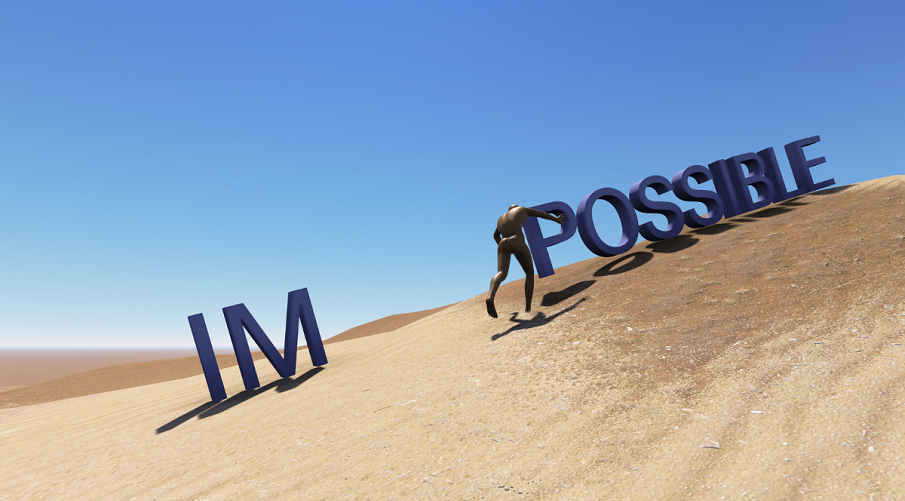
The Dr. Dolores Show: 7 Steps How to Break The Chains of Being Perfect

By Dr. Dolores Fazzino, Nurse Practitioner, Medical Intuitive, Energy Whisperer

Have you found that being perfect robs you of being in the present moment? Are you tired of constantly striving for perfection, only to find yourself feeling exhausted and unfulfilled?

In this riveting episode of The Dr. Dolores Show, we delve deep into the complex labyrinth of perfectionism, exploring its paralyzing effects and providing a roadmap for liberation.

She decodes the psychology behind perfectionism, uncovering its roots and unveiling the myths that keep us shackled.

It’s time to break free from the chains of perfectionism and embrace a life of authenticity and self compassion.

The Dr. Dolores Show: 7 Steps How to Get Rid of Perfectionism

the-dr-dolores-show-break-the-chains-of-being-perfect

Dr. Fazzino begins by asking a poignant question: Are you the type of person who holds everything to a fault because it has to be perfect?

It’s a question that resonates with many of us who often find ourselves caught in the relentless pursuit of perfection.

However, she reminds us that this fixation on perfection prevents us from fully experiencing the present moment.

When we’re constantly striving for an unattainable ideal, we miss out on the richness and beauty of life as it unfolds before us.

So, how to get rid of perfectionism?

Step 1: Recognize the Illusion of Perfection

Perfection, as Dr. Fazzino aptly puts it, is an illusion, a construct of our own making.

It’s a mirage that promises fulfillment but ultimately leaves us feeling inadequate and discontented.

The first step to breaking free from perfectionism is to recognize that perfection is an illusion.

Understand that the pursuit of perfection is not only unattainable but also detrimental to your well being.

Acknowledge that perfectionism often stems from fear and insecurity, and commit to letting go of unrealistic standards.

Step 2: Embrace Imperfection

Instead of striving for perfection, embrace imperfection as a natural and essential part of the human experience.

Recognize that it’s okay to make mistakes and that failure is not a reflection of your worth.

Embracing imperfection allows you to live more authentically and fully in the present moment.

Step 3: Focus on Progress, Not Perfection

Shift your focus from achieving perfection to making progress.

Celebrate your accomplishments, no matter how small, and acknowledge the growth and learning that come from each experience.

By focusing on progress rather than perfection, you’ll free yourself from the paralyzing fear of failure and open yourself up to new possibilities.

Step 4: Cultivate Self Compassion

Central to this journey is the practice of self compassion.

Dr. Fazzino emphasizes the importance of being kind to ourselves, especially in the face of setbacks.

Rather than berating ourselves for our perceived failures, she urges us to treat ourselves with the same compassion and understanding that we would offer to a dear friend.

It’s through this act of self compassion that we can find the resilience to navigate life’s challenges with grace and humility.

Practice self compassion by treating yourself with kindness and understanding, especially in times of difficulty or setback.

Be gentle with yourself and remember that you are only human.

Offer yourself the same empathy and support that you would offer to a friend in need.

Step 5: Let Go of Comparison

Release yourself from the trap of comparison by letting go of the need to measure up to others.

Recognize that everyone’s journey is unique, and comparison only serves to undermine your own sense of worth and happiness.

Focus instead on your own path and celebrate your individuality.

Step 6: Acknowledge Your Imperfections

Take a courageous step forward by acknowledging your imperfections and embracing them as part of what makes you beautifully human.

By accepting yourself fully, flaws and all, you’ll free yourself from the burden of trying to hide or fix perceived shortcomings.

As Dr. Fazzino reminds us, when we let go of the need for perfection, we open ourselves up to infinite possibilities for growth and learning.

Step 7: Stay Teachable and Open to Growth

Finally, commit to staying teachable and open to growth.

Understand that life is a journey of continual learning and evolution, and that there is beauty in embracing the unknown.

By remaining open to new experiences and perspectives, you’ll cultivate resilience and adaptability in the face of life’s challenges.

Listen in as recovering perfectionist, Dr. Dolores, your host, invites you on a transformative journey where we confront the unrealistic standards, we set for ourselves and unlock the secrets to genuine growth.

Discover actionable strategies and expert insights on dismantling the perfectionist mindset. Whether you’re a high achiever or someone grappling with the fear of failure, this episode offers practical tips to redefine success, embrace imperfections, and cultivate a healthier relationship with self-progress.

CLICK BELOW TO LISTEN TO “THE DR. DOLORES SHOW” PODCAST:


To donate to our podcast “The Dr. Dolores Show” please snap the QR code. Your donations will ensure our work continues to be produced and hosted globally.

Donate-QR-Code-Dolores-Fazzino

What to Look for In This Episode of The Dr. Dolores Show:

  1. Are you the type of person that holds everything to a fault because it has to be perfect? (04:34)
  2. If you are always trying to make things perfect you are not living in the present moment. (05:25)
  3. “There are some things that you need to allow and there are some things you need to allow to fall away in order to create that dance.” Dr. Dolores Fazzino (06:47)
  4. “Perfection is an illusion, it is something we think in the quieter of our mind that we have everything all figured out.” Dr. Dolores Fazzino (18:24) 
  5. Focus on your progress not your perfection. (19:11) 
  6. Having self compassion is so so important and being kind to yourself especially when you are facing setback. (20:25) 
  7. Embrace imperfection – there is so much imperfection in the world today. (27:46) 
  8. Remember – embracing imperfections is an ongoing journey. (39:51) 
  9. I invite you to moving forward acknowledge your imperfections. (40:45) 
  10. When we are still teachable this is where we have the infinite possibilities to learn new things. (43:00)
  11. Let go of comparison – please don’t compare yourself to anyone else. (44:28) 

FIND THE DR. DOLORES SHOW WITH DR. DOLORES FAZZINO HERE!

All the top podcast locations. Click HERE

Apple, Google Play, Audible, iHeart Radio, Spotify ++++

SCHEDULE A FREE SESSION WITH DR. DOLORES: https://bit.ly/MeetGreet30

8 Crucial Questions You Need To Ask When Choosing A Dentist

Are you on the hunt for a new dentist?

It’s a big decision and not one to be taken lightly.

After all, your oral health is a critical component of your overall well being, and you want to make sure you’re putting your trust in the right hands.

But with so many options out there, how do you know which dentist is the best fit for you?

That’s where asking the right questions comes in.

By doing your due diligence and gathering key information, you can make an informed choice and find a dentist who meets your needs and expectations.

From qualifications and experience to insurance acceptance and patient comfort, there are several important factors to consider.

So, let’s dive in and explore the crucial questions to ask when picking a dentist to help you make the best decision for your oral health.

8 Crucial Questions To Ask When Choosing A Dentist:

questions-to-ask-when-choosing-dentist
Senior male dentist educating child patient sitting in mother’s lap about proper teeth brushing techniques using plastic human jaw model and tooth brushes

Q1. What Are Their Qualifications And Experience?

When you’re on the hunt for a new dentist, one of the first things to consider is their qualifications and experience.

After all, you wouldn’t trust just anyone with your pearly whites, would you?

So, don’t be afraid to ask where they earned their dental degree and if they have any additional training or certifications up their sleeve.

It’s also wise to inquire about how long they’ve been practicing dentistry.

While a freshly minted dentist can certainly be talented, there’s something to be said for a seasoned pro who’s been around the industry for a long time.

And if you have any specific dental needs, like wanting to flash that perfect Hollywood smile, feel free to ask if they have expertise in areas like cosmetic dentistry. 

You can check out Durango DMD, for example.

They dedicated a separate page to highlight their healthcare providers’ qualifications, experience, and educational history.

Ultimately, you’ll feel a lot more at ease knowing your dentist has the qualifications and experience to provide top notch care. 

Q2. Are They Conveniently Located And Accessible?

Location, location, location, it’s not just important for real estate, but for your dental care too!

When you’re on the lookout for a new dentist, you’ll want to consider how easily you can get to their office.

Is it a convenient spot that you can swing by on your way to work or while running errands?

Or will you have to plan a whole day around your appointment, packing snacks and a map to navigate there?

Another thing to think about is the parking situation.

There’s nothing worse than arriving for your dental visit only to spend 20 minutes circling the block, searching for a spot to park your car.

And speaking of time, don’t forget to check out the office hours.

You’ll want a dentist who has appointment times that jive with your schedule, so you’re not constantly rearranging your life or taking time off just to get your teeth cleaned. 

Finding a dental practice that’s conveniently located and accessible can make all the difference in keeping up with your oral health without the added stress.

Q3. What Insurance Plans Do They Accept?

Dental treatments are generally expensive, so it’s paramount to find a dentist who accepts your insurance plan.

Ask about the specific plans they work with and whether they offer any financing options for out of pocket expenses.

This information can help you avoid unexpected costs and ensure that you can afford the necessary treatments.

Q4. Do They Prioritize Patient Comfort And Pain Management?

Going to the dentist isn’t exactly a walk in the park for most people.

In fact, just the thought of sitting in that chair can make some folks break out in a cold sweat!

That’s why it’s super important to find a dentist who prioritizes patient comfort and pain management.

You want someone who understands that dental anxiety is a real thing and is willing to go the extra mile to make sure you feel relaxed and at ease during your visit.

Don’t be afraid to ask potential dentists about their approach to keeping patients comfortable.

Do they offer any sedation options for those who get really nervous?

Are they gentle and patient when it comes to explaining procedures?

These are the kinds of things that can make a giant difference in your overall experience.

And if you’re someone who’s had bad dental experiences in the past, it’s especially crucial to find a dentist who takes pain management seriously.

Q5. How Do They Handle Emergencies And After Hours Care?

Picture this: it’s late at night, and you’re suddenly hit with a searing toothache that just won’t quit.

Or maybe you’re enjoying a lovely dinner when you accidentally chip a tooth on an olive pit.

Dental emergencies can occur at any time, often when you least expect them.

That’s why it’s crucial to find out how your potential dentist handles these unexpected situations.

When you’re interviewing dentists, be sure to ask about their emergency protocol.

Do they have a system in place for handling urgent dental needs outside of regular office hours?

Can you reach them or a member of their team if you’re in pain or have a pressing concern?

It’s also a good idea to inquire about their policy for fitting in emergency appointments during normal business hours.

You don’t want to be left hanging when you need help the most.

Q6. What Technology And Equipment Do They Use?

Dental technology advancements have revolutionized the way dentists diagnose and treat oral health issues.

Ask about the technology and equipment used in the dental practice.

Do they utilize digital X rays, which emit less radiation than traditional X rays?

Do they offer advanced treatments like laser dentistry or computer aided design for crowns and bridges?

A dentist who invests in modern technology can provide more accurate diagnoses, less invasive treatments, and faster recovery times.

Q7. Can You Schedule A Consultation Or Meet And Greet?

Before committing to a dentist, organize a consultation or meet and greet appointment.

This way, you can visit the dental practice, meet the dentist and staff, and get a feel for the overall environment.

During the consultation, you can ask any additional questions you may have and assess whether you feel comfortable and confident in their care.

Q8. Do They Have Positive Reviews And Recommendations?

One of the best ways to gauge the quality of a dentist is through reviews and recommendations from other patients.

Look for online reviews on reputable platforms and ask for suggestions from people you know who’ve had favorable experiences with their dentists.

While individual experiences may vary, a dentist with consistently positive feedback is likelier to deliver high quality care and a pleasant patient experience.

What You Should Remember?

Choosing the right dentist is a decision that shouldn’t be taken lightly.

By asking these crucial questions, you can make a better choice that aligns with your needs and preferences.

Remember, a good dentist is not just a healthcare provider but also a partner in maintaining your oral health and overall well being.

Take the time to find a dentist who you trust and feel confident in, and you’ll be on your way to a lifetime of healthy smiles.

A Walk Within the Garden: Perfumes Inspired by Spring

Spring awakens nature’s beauty, inspiring perfumers around the world to capture its essence in captivating fragrances.

Each year, as winter fades and floral life explodes, new scents blossom, brimming with the magic of spring blooms.

From the timeless romance of roses to the delicate allure of jasmine, these perfumes whisk you away to a fragrant paradise.

Perfumes Inspired by Spring:

perfumes-inspired-by-spring

Rose Garden Romance

Roses, timeless symbols of love and romance, naturally captivate perfumers.

They translate the essence of idyllic spring strolls through flourishing rose gardens into captivating fragrances.

To experience this multifaceted floral journey, seek perfumes featuring blends of different rose types like the rich damask, the delicate Bulgarian, or the refreshing tea rose.

Jasmine Joy

Jasmine, with its heady and intoxicating scent, embodies the essence of warm spring evenings and blossoming gardens.

Perfumes infused with jasmine notes exude sensuality and allure, capturing the essence of a romantic springtime rendezvous.

Choose a fragrance that mixes jasmine with complementary notes like orange blossom, ylang ylang, or tuberose for delivered intensity and complexity.

Peony Perfection

Peonies, with their billowing petals and intoxicatingly sweet scent, embody prosperity and good fortune.

Capturing their essence, peony infused fragrances evoke a burst of joy and optimism, reminiscent of a blooming spring garden.

For a modern twist, seek perfumes where peony takes center stage, delicately complemented by hints of lychee, rose, or magnolia.

Lily of the Valley Elegance

Lily of the Valley, adorned with delicate white bells and an ethereal fragrance, represents spring’s purity and youthful spirit.

Perfumes infused with its notes radiate elegance and refinement, capturing the crisp essence of a dew kissed morning.

Opt for fragrances where the lily of the valley shines, subtly enhanced by green accords, musk, or other white florals, creating a scent that sparkles with timeless sophistication.

Gardenia Glamour

Gardenias, revered for their exquisite blooms and heady, intoxicating fragrances, whisper stories of elegance and sophistication.

Perfumes adorned with gardenia notes exude sensuality and glamour, transporting you to a vibrant spring garden bursting with color.

To experience gardenia in all its glory, seek a fragrance where it takes center stage, enhanced by whispers of jasmine, tuberose, or coconut for a touch of tropical allure.

Magnificent Magnolia

With their grand blooms and graceful elegance, majestic magnolias symbolize resilience and grandeur.

Perfumes infused with their notes captivate with beauty and sophistication, evoking the serenity of a blossoming spring dawn.

For a fresh and uplifting scent experience, seek fragrances where magnolia reigns supreme, gracefully complemented by hints of citrus, freesia, or musk.

Enchanting Cherry Blossom

Cherry blossoms, ephemeral and exquisite with their soft pink petals, symbolize renewal and the preciousness of fleeting beauty.

Fragrances capturing their essence evoke a sense of wonder and enchantment, reminiscent of a Japanese spring festival.

Seek perfumes that delicately capture the heady, fleeting scent of cherry blossoms, enhanced by notes of cherry, rose, or almond for a delicate and romantic fragrance.

Radiant Orchid

Orchids, with their breathtakingly diverse blooms and captivatingly unique fragrances, symbolize love, beauty, and a touch of the exotic.

Perfumes infused with orchid notes exude elegance and sophistication, transporting you to a tropical paradise brimming with fragrant blooms.

Seek a fragrance where the orchid takes center stage, its allure enhanced by whispers of vanilla, coconut, or jasmine for a luxurious and mesmerizing olfactory experience.

What You Should Remember?

Spring brings a symphony of blooms, and fragrance subscription service offers the perfect way to capture their essence without committing to full bottles.

How do we know?

Estephani, one of our editors is smelling like spring every day in the office.

She told us her secret and we wanted to share it with you.

Each month, curated samples arrive at your doorstep, inviting you on an olfactory adventure to discover your ideal springtime fragrance.

Embrace the romance of roses, the sophisticated allure of jasmine, the joyful spirit of peonies, the innocent charm of lilies of the valley, or the glamorous touch of gardenias.

Each fragrance opens the door to a floral paradise filled with intoxicating scents and springtime splendor.

Whether you’re drawn to the classic elegance of roses, the exotic charm of jasmine, or the delicate beauty of cherry blossoms, there’s a fragrance waiting to captivate your senses and elevate your spring adventures.

Indulge your senses and embody the spirit of spring with a fragrance subscription.

Let the splendor and beauty of the season unfold, one enchanting scent at a time.

A Holistic Approach to Addressing Freshwater Resources Restoration

Are you aware of the delicate ecosystem that is threatened every day?

Your planet’s freshwater resources are shrinking, causing serious concerns.

However, there’s no need to despair, in this article, you’ll see proven methods and strategies for addressing restoration efforts in a holistic way.

You will gain insights on the importance of freshwater, its revival mechanisms, biodiversity concerns, and much more.

So brace yourself for a deep dive into a critical subject concerning every inhabitant of Mother Earth.

The Importance of Freshwater

holistic-approach-to-freshwater-resources-restoration

Freshwater is not merely about satisfying your thirst or taking daily showers.

It’s about sustaining life on the planet.

Consider agricultural irrigation that feeds nations or the water dependent industrial processes that drive economies.

Ecosystems rely heavily on freshwater too, as do communities worldwide, it aids in generating power, supporting fisheries and ensuring human health.

And lakes, rivers and aquifers provide habitats for many species that enrich biodiversity.

Landscape Ecology and Hydrology

Your understanding of the restoration process intensifies when acknowledging landscape ecology and hydrology.

These two sciences combine to paint a comprehensive picture of water’s intricate journey from precipitation to return to the atmosphere or oceans.

Hydrological patterns can significantly alter or construct landscapes, steep slopes eroding or deltas forming are prime examples.

In turn, these landforms impact how water navigates through ecosystems.

Your Go To Place for Water Damage Restoration

If you’re dealing with water damage, whether it’s a municipality level problem like erosion at a stream bank or an individual dealing with post flood conditions at home, there are several resources to help you out.

Numerous websites offer free tutorials on simple DIY restoration projects, but this may be your go to place once you visit this water damage specialist.

Countless organizations specializing in ecosystem restoration, using state of the art technology and techniques.

These groups focus on target theoreticals grounded in scientific research to create sustainable solutions for restoring the health of freshwater resources.

Expression of River Connectivity

Rivers are an important aspect of the planet’s freshwater resources, providing critical habitats for numerous species and vital resources for human populations.

Living near water sources such as rivers can also have positive benefits on human health and wellbeing.

However, it’s not just about the river itself, its connectivity plays a crucial role in restoration strategies.

Remarkably, rivers connect diverse landscapes, ranging from mountainous highlands to agricultural plains down to coastal zones.

A thoroughly connected river system will effectively transport valuable materials like nutrients or sediments across different landscapes.

Looking at rivers holistically promotes the conservation of both aquatic and land ecosystems.

Maintaining river connectivity allows humans, animals, and plant life to reap the positive effects that water access provides.

Freshwater Biodiversity Concerns

Freshwater species face extinction threats.

Dam construction, pollution, overfishing, climate change and invasive organisms endanger critical habitats.

Survival necessitates more than damage control, ecosystems require regeneration.

The goal is environments where life flourishes.

Robust, biodiverse waterways depend on curbed external harms and proactive restoration.

If stewarded appropriately, freshwaters can rebound beyond sustainability to host thriving plant, animal and human populations.

But industrial pressures and climate disruptions first need mitigation for resilience.

With mindful intervention, freshwater systems can pulsate with renewed vibrancy.

Role of Climate in Restoration

Climate change disrupts water availability, increasingly causing floods and water damage.

Such irregular supply profoundly impacts water reliant ecosystems.

Climate considerations are thus critical for restoration strategies, disaster preparation, and resilient infrastructure.

As intensified storms and floods arise, professionals like the Water Damage Specialist help remediate destruction.

Managing shifting water patterns and amplified flood risks allows robust resource and ecosystem restoration solutions as the climate transforms.

River Basin Management Schemes

A healthy river ecosystem necessitates thoughtful management spanning all the way from its source to where it meets the sea, capturing entire river basins.

These schemes, therefore, encompass a range of tactics from promoting biodiversity and removing obstacles to water flow to protecting water quality and controlling invasive species.

Such coherent basin management approaches preserve balance within the ecosystem, allowing each component to do its job effectively.

These strategies ensure people aren’t just fixing one part of the system but comprehensively restoring whole freshwater ecosystems.

Ecological Restoration Techniques

To rectify the damages inflicted on freshwater resources and recover their ecological integrity, people should employ diverse restoration techniques.

These can vary from freshwater specific methods such as dam removal and river channel restructuring to general landscape management approaches such as controlled burns or reforestation.

In certain cases, it might be advantageous to reintroduce native species that have been displaced due to human activities or invasive species.

As with all restoration efforts, adaptive management is crucial, allowing for adjustments in methodologies based on ongoing monitoring and evaluation.

Policies Affecting Freshwater Ecosystems

The fate of freshwater ecosystems hinges not just on direct restoration efforts but also significantly on policies devised at local, national, and international levels.

Protecting these valuable resources necessitates regulation of industrial activities like mining and agriculture that can deteriorate water quality.

Policies need to favor the sustainable extraction of water resources, promote efficient irrigation and waste management practices, regulate fishing activities and mandate comprehensive environmental impact assessments prior to major infrastructure projects.

Threats to Freshwater Resources

Freshwater resources confront several threats, over extraction being the most common.

Excessive withdrawal from rivers for irrigation or industrial use can severely compromise natural flow patterns.

This jeopardizes aquatic life, while lowering groundwater levels result in land subsidence, a problem that’s proved devastating in many regions.

Besides that, pollution from agricultural runoff loaded with pesticides and fertilizers or untreated industrial wastewater discharge can inflict severe damage.

Invasive species represent another serious threat, they can destabilize ecosystems by outcompeting native species for resources.

Community Involvement in Restoration

For successful freshwater restoration projects, community involvement is paramount.

People constitute a fundamental part of the equation, they use water, live by freshwater sources and can observe first hand the adverse effects of compromised ecosystems.

Hence, local people’s knowledge about their environment can prove invaluable in identifying issues and developing recovery strategies.

Establishing a symbiotic relationship where local communities participate in decision making processes while gaining socio economic benefits from restoration can lead to enduring success.

Economic Value of Freshwater Resources

Freshwater enables healthy lifestyle habits and supports economic prosperity.

Directly, it irrigates agriculture, supplies food, and provides livelihoods from fishing.

Indirectly, freshwater ecosystems offer vital services like flood control and nutrient cycling that allow communities to thrive sustainably.

Abundant freshwater resources allow populations to stay hydrated and live productive lives.

Economically, freshwater counts far beyond its apparent utility.

Valuations must account for how clean, plentiful water resources enable healthy lifestyles, food production, jobs, and critical environmental services, all essential for human wellbeing and sustainable societies.

Future of Freshwater Restoration

The future of freshwater restoration will undoubtedly need more holistic approaches, taking into account all players involved in the system.

Technology will offer promising avenues, we are already seeing novel applications like remote sensing for watershed monitoring or biological engineering for river rehabilitation.

In addition, climate change adaptations will become increasingly important for the success of these efforts.

You will likely see a paradigm shift from an anthropocentric viewpoint to a more balanced achieved viewpoint, recognizing that humans are part of the system, not above it.

What You Should Remember?

Restoring freshwater resources is a complex process involving many inputs, from understanding scientific mechanisms, translating them into practical techniques, implementing relevant policies and engaging communities.

Freshwater holds enormous ecological significance and economic value that mandates safeguarding for sustainability and survival.

The future certainly holds challenges as people face growing stresses and fundamental resources like freshwater, but with increased awareness, scientific progress and community engagement, you can confidently tackle those obstacles.

Find Life Coach | Meet Hedi Schaefer: How to Gain Clarity, Cleanse, and Become a Conscious Creator of your Life?

Hedi Schaefer is one of the coaches that we found this month and we did a little interview with her. She impressed us with her creativity and expertise.

She is an inspiring coach whose path to guiding others towards transformation started in the depths of her own identity crisis. Born into a family of psychotherapists, she found her calling early, officially stepping into the coaching arena in 2010, specializing in innovation and agile work for large corporations worldwide. But it wasn’t merely about corporate strategies and market relevance for her.

She was always looking for something deeper beneath the surface. She was drawn to individuals seeking liberation from their own confines, yearning for authenticity and empowerment. What began as post training counseling sessions burgeoned into a profound exploration of personal development methodologies, spanning from systemic coaching to hypnotherapy. However, it was during a pivotal moment of crisis after becoming a mother in 2018 that she unearthed her true coaching essence.

She embarked on a quest for rapid, profound healing, amalgamating various modalities into her unique coaching approach. Today, her 3 C InnovationCanon Framework offers a transformative journey: from clarity to cleansing, culminating in creation, enabling her clients to transition from mere survival to thriving in their lives. Here is what she said.

Meet Life Coach Hedi Schaefer:

find-life-coach-hedi-schaefer

Name: Hedi Schaefer

Pillar: The Spirit, The Mind, The Heart

Who is this coach for: Anyone who wants to gain clarity, cleanse themselves from all the blockages keeping them to move forward, and become a conscious creator of their life.

How they can help: By using various tools and techniques like hypnocoaching, energetic work, and approaches like the Emotion Code (using magnets to transmute) or Yager Code (asking the system within for parts that block the desired outcome), just to name a few.

First of all, how are you and your family doing after these Pandemic times?

Very well, thank you.

We’ve had very rough years as a family of three: Me, my husband, and a six year old (today).

But because we ( my husband and I) used these crazy times packed with restrictions and fear, we were able to work through our triggers, (generational) traumas leading to these triggers and fears.

Today we could not feel stronger, more resilient, and at peace with ourselves.

How did the coronavirus pandemic affect your clients? Did it affect you at all?

“Corona” Spanish for the crown, to me was for many “crowning” something they did not want to live anymore.

Like having a senseless job or playing certain roles that feel inauthentic and drain personal energies.

And not in their fullest truth.

For many, it was when all dysfunctional patterns and many triggers (just trauma that comes up to be released) started to come to the surface.

It was a tough time because of all the fear and shadows but I believe in retrospect this was a big blessing so that people could heal it.

And start living more consciously and aligned with their truth through different and more aligned choices.

It was a classic crisis of the masses where you could choose to make the most out of it and grow and find out about your truest potential, light, and purpose you have within.

I was going through the same thing, created my business, and healed.

Although these times are challenging it’s the times when we grow the most.

What are the biggest lessons that you learned in this pandemic?

Crises are the best times to grow out of your limitations.

That human beings are incredibly resilient if they use these potent moments in our human journey to their advantage.

If they come back home to themselves and into their power.

I learned that a calm nervous system can keep you afloat from any outside chaos and uncertainty.

The Origin:

Tell us about you, your career, how you started with your coaching career?

I started young.

I can not remember not being a people pleaser.

I was born and raised in a family of psychotherapists and this combination became my foundation.

Officially I became a coach in 2010 for innovation and agile work.

I was mainly doing trainings and consulting large companies across the globe in innovating with products and services, their company, teamwork, and meeting culture.

And support them in becoming a relevant player in the market.

Inoffocially I was drawn to people in these companies who wanted to break free from their restricted company reality.

Who wanted more in life.

Who wanted to live more authentically and in their power.

So, I would do 1 on 1 counseling after trainings regularly.

Because it felt so natural, I knew, I was on to something.

So I trained in about 10 to 15 different personal development, coaching styles, from systemic to hypnocoaching, breathwork to energetic work.

But my true coaching nature came to fruition during a big fat crisis after becoming a mom in early 2018.

Working through and healing my own shadows, (generational) trauma and dysfunctional beliefs, patterns, and addictions, and searching for the most effective tools to break free of them fast, while getting to know who I really am without external expectations and programming, made me the coach I am today.

What was your biggest obstacle that you had to overcome in your life that made you who you are today?

It was my identity crisis when I became a mom at 35 years old.

When I was not able to run from my shadows anymore, but because I had a baby and was at home nurturing her, was confronted with my traumas, limiting beliefs, and dysfunctional patterns every single day.

I was very lost because the identity that kept me surviving: being a highly accomplished consultant, flying around the world, was collapsing, and now, as a new mom, I was not able to identify with what I was doing anymore (because I had no idea what I was doing here!) and more importantly and more painfully:

I had no idea who I truly was.

The Coaching Style:

How do you innovate with coaching your clients?

I use the most effective tools I was able to find and combine them with my intuitive healing abilities to create breakthroughs.

I adapted the Yager Code and the Emotion Code for example and tested and perfected innovation strategy tools like purpose, value, and vision creation.

What drives me here is the innovation process to refine and perfect what I use for the best outcome every single day.

I also use collaborative online tools such as Miro, a visual online whiteboard space for my clients to work visually on their clarity and homework and it’s the best way to document the process and outcomes of each session.

Because, when having breakthroughs you need to come back to what has happened and why to digest and fully integrate it.

I also use scales to measure the results like the map of consciousness by Dr. David R. Hawkins.

When clients jump from consciousness of 368 to 668 in one session it helps them to understand what emotional state they are operating before and after.

I do have a set framework of using the 3 Cs InnovationCode, but really every single client is so very different so it’s always an innovation.

What’s unique about your coaching approach?

My unique coaching approach has a history.

After being totally overwhelmed, depressed, in victim mode, and waiting for someone to save me during my crisis, I finally started to work with the tools that I had in my drawer.

In the process, I created frameworks for purpose, value, and vision creation that helped me out of this fog, and into clarity and a feeling of fulfillment and energy I never had before.

Then I worked through my blocks with tons of new tools and supervision and created my own for cleansing and reprogramming the subconscious mind and calming the nervous system from surviving to thriving.

While in my own process, I tested with clients, friends, and family.

And finally condensed everything into the unique and holistic 3 C InnovationCanon Framework:

The 1st C: CLARITY, is a fast forward into your truest light. You go on a treasure hunt to find and design your purpose, values, and visions about any role you play, the lifestyle, and the dream career you wish to obtain. It becomes your inner compass through times of change.

The 2nd C: CLEANSING is absolutely unique in the way I work with my intuition plus tools that intend breakthroughs. I work with the subconscious mind which is 95% and identify the blocks together with the clients. There are no limits in this space, sometimes we need to work on a block that was installed centuries ago. I know it sounds wild 😉 It really depends on what comes through and is aligned with what the client needs and can handle. It’s a miracle really and clients call it “magical.”

The 3rd C: CREATION is a set of future skills that help my clients move forward and test their new identity, new business ideas and work lifestyles in an agile and easy way. Learning at high speed from what works and does not and adjusting accordingly. My motto here: Life is a prototype and the faster we learn the faster we can create whatever feels aligned and thriving.

What benefits do your clients get after working with you?

My clients often claim that through the transformation they experience a rebirth.

They gain clarity about their inner compass, the confidence, energy, motivation, and stability to surf through their life.

They cleanse from deep blocks holding them back from their success and fulfillment and create a life that is authentic and aligned.

They stop surviving by fitting in and start to thrive.

They step out of victim mode and into their creator’s shoes.

Do you use any specific tools to be efficient with your clients?

As mentioned above I use a holistic mix of innovation tools, hypnocoaching, energetic work, and approaches like the Emotion Code (using magnets to transmute) or Yager Code (asking the system within for parts that block the desired outcome).

My intuition becomes a very big part of guiding my client and me through the sessions and into the release.

The Impact:

If you had a super megaphone that, when you speak into, the whole world will hear your message, what would you say?

LIGHT UP AND LEAD!

All power is within.

Stop looking for answers outside of you.

Stop wasting your time waiting for something to happen.

MAKE it happen.

What is the greatest lesson you have learned in your life?

Your desires are your future identity calling you.

Your dreams are very real.

And that everything you put your work and effort into becomes a reality.

Anything you put after “I AM” will help you shed what’s blocking you from it.

I can create my own identity and step into my truth every single day.

This power comes from no certificate or money.

It comes from within.

And when all the blocks vanish it shows big time and a new life begins.

Your final thoughts?

We are currently living in exciting times to transform ourselves and lives and the work we do.

We must know that everything is inside out.

I believe that the world as we know it, based on lack, fear, and constrictions will come to an end and that we enter a new earth based on love, flow, abundance, and peace.

It all starts with every single one of us making that change within first.

So it can manifest outside of us.

I strongly believe that we didn’t come to this earth to suffer and survive.

We came here to transform and thrive.

Start today, you deserve it.

Where Can You Find Hedi Schaefer?

If you liked this interview and you would love to see how Hedi can help you, go to www.hedischaefer.com and discover how you can get rid of the blocks that are not allowing you to move forward.

But that’s not all… Here is a special gift from Hedi for everyone reading this.

And STARTING SOON, don’t miss your opportunity to Find your Purpose, Values, and Visions. Join The Star in Me Mastermind and secure your spot today. On 13th of April, Hedi will show you a step by step, proven roadmap to overcoming these hurdles, guiding you into your fullest potential to discover your PURPOSE, VALUES, and VISIONS.

If you want to get a glimpse of her coaching, follow her YouTube Channel or listen to her podcast.

If you’d like to connect with her more personally, follow her Instagram, Facebook, LinkedIn, or send her a direct message on her Email [email protected]. It was an honor having this interview with her.

Find Life Coach | Meet Karen Sibal: How to Find Meaning and Purpose as a Senior?

Karen Sibal is one of the coaches that we found this month and we did a little interview with her. She impressed us with her passion and innovativeness.

She is a beacon of inspiration for those navigating the complexities of life beyond 50. Embarking on a remarkable career shift during the pandemic, she transitioned from the realms of publishing to the transformative world of coaching. Grounded in a profound desire to aid seniors in living their fullest lives, her journey epitomizes the fusion of passion, purpose, and perseverance.

She is driven by a deep seated commitment to holistic wellness. She draws from diverse disciplines, blending health coaching with Ayurvedic lifestyle teachings. Her own encounters with adversity, including personal loss and health struggles, serve as catalysts for profound empathy and understanding. With an unwavering belief in the power of self empowerment, she challenges her clients to transcend victimhood and embrace agency, guiding them towards profound shifts in mindset and behavior.

She empowers individuals to rediscover purpose, resilience, and joy, offering a guiding light towards a future imbued with balance, vitality, and meaning. What sets her apart is not just her expertise and innovativeness, but her innate ability to connect with clients on a soulful level. Grounded in heart centered compassion, her approach resonates deeply with the unique challenges faced by the Gen X. Here is what she said.

Meet Life Coach Karen Sibal:

find-life-coach-meet-karen-sibal

Name: Karen Sibal

Pillar: The Spirit, The Mind

Who is this coach for: Seniors who want to find purpose and meaning.

How they can help: By using a toolbox of Ayurvedic tips and positive psychology teachings, as well as her book “the Little Book of Grounding“.

First of all, how are you and your family doing after these Pandemic times?

We are in a better place.

With each passing year now, we seem to be finding our way out from the storm, like everyone else.

We were hit pretty hard by the pandemic and experienced the passing of 6 family members which created a big strain on our family relationships.

Like many other people, my hubby lost his job and my publishing business was forced to close.

My kids struggled with online school.

But, we’re in a better place today, moving forward with love, clarity, understanding and purpose each day.

How did the coronavirus pandemic affect your clients? Did it affect you at all?

I saw a tremendous deterioration in the mental and emotional health of seniors and within my own family members.

The social distancing and quarantine measures kept seniors isolated for a while, and many of them had no idea how to use technology to connect with family or friends.

And even when they did use platforms like Zoom or WhatsApp, it wasn’t a replacement for in person connections.

My parents found it hard to not only stay connected to family, but to do every day things like banking.

They were so used to going into the bank to pay their bills and would love to sit in a coffee shop together a few days a week.

It certainly wasn’t easy getting my parents set up to use technology, but it had to be done and they picked it up fairly quickly.

But, not being able to go out, socialize and do every day things, especially the things that gave them a bit of joy each day, really affected my parents.

And I saw similar patterns with seniors I was coaching.

As a result of feeling isolated and alone, fear and anxiety began to take over and I’ve been seeing a lot of people who are still dealing with a lot of depression, fear, PTSD, sadness, and the inability to move forward with any part of life.

It’s been quite heartbreaking, really, but I’m hopeful for my clients.

I get a lot of requests now for in person coaching and I’m currently quite busy speaking in person at seniors’ events across the Greater Toronto Area.

Nothing beats face to face interaction.

What are the biggest lessons that you learned in this pandemic?

The mind is the starting point of whole, vibrant health.

Guard it carefully and be selective of what you feed it each day.

Learn to reject fear at the entrance gate to your mind, and only allow in positivity, loving thoughts (especially self loving ones), good food, adequate sleep and healthy lifestyle habits.

Without a sharp, balanced, independent thinking mind, you are nothing.

The Origin:

Tell us about you, your career, how you started with your coaching career?

I began my coaching career during the pandemic when my publishing business was forced to close.

I’ve always been passionate about helping and inspiring seniors to live their best lives having worked with them for over 15 years.

So, I decided to get trained as a health coach and in Ayurveda lifestyle teachings, and I wrote a book about grounding.

I found grounding to be the key to keeping my mind and body health in balance during the pandemic, and I found myself informally helping friends, family and seniors.

It made logical sense to get certified.

Now, I’m on a mission each day to uplift and inspire anyone over 50 with finding their mind and body balance with a focus on mental and emotional health.

I’m also helping people navigate grief, which is complex to do on your own, and that’s been inspired by my own personal grief journey of losing 6 close family members since 2020.

What was your biggest obstacle that you had to overcome in your life that made you who you are today?

Learning how to step out of being a victim and to stop complaining about things.

I learned this lesson about 10 years ago when I hit rock bottom with an autoimmune disease diagnosis, which was immediately after I had a horrible car accident.

When it rains, it pours as the saying goes.

Instead of complaining about the rain, I grabbed a wide umbrella and found a way to keep dry.

No one came to “rescue” me, I had to pick myself up and find a way forward.

Now, I tell my clients this brutal truth too: that no one is coming to save them, irrespective of what they’re dealing with and how hard their life might seem.

It’s a personal choice each of us have to make, to step out of a victim mindset into one that’s truly empowering, each and every single day, and to keep doing it consistently.

The Coaching Style:

How do you innovate with coaching your clients?

I invite clients to dig deep, really deep.

They’re the ones doing the heavy work on whatever area of their life they want to change: I view myself merely as an impartial facilitator who helps them uncover what’s already there within them.

I use a series of “why” questions to get to the root of the change they wish to make, and I help my clients zero in on their pain points preventing change.

Then I get them to visualize the life they’ve always wanted, and we figure out how to bridge the gap with strategies that propel them into taking real, decisive action.

What’s unique about your coaching approach?

I have a heart centred way of connecting with people over 50 because I am over 50 and I understand the unique challenges people in this age group are facing:

We are the sandwich generation, caring for elderly parents and raising our kids, often adult kids who have it super tough right now and many of them are living in our basements.

We have concerns about our retirement nest egg and the high cost of inflation eating away at our savings.

I’m unique in that I have an academic and professional background in economics, business and government policy, and I’ve also coached women at midlife on their personal finances since the pandemic.

We are Gen X and we want to age well.

Many of us are also dealing with chronic health conditions.

My coaching approach is uniquely centred on the principles of grounding: the mind, body, spirit and finances.

I use a blend of positive psychology tips and ancient Ayurvedic teachings like pranayama (breathwork), meditation and lifestyle habits to help people reduce their anxiety and stress levels, so they can tap into their place of stillness.

Once you’re grounded and balanced, it becomes the focal point for all change to happen, at any level.

What benefits do your clients get after working with you?

A renewed sense of purpose is a big one.

A lot of people over 50 are empty nesters, or sort of, and their looking at their future with a lot of uncertainty.

They’re perhaps unclear on whether they’ll be able retire, or how they’re going to spend their golden years with a sense of stability, belonging, and meaning.

There’s also a sense of loss that comes along at this age, whether it’s because kids have gone off to college, or parents have passed away.

Or a loss of youth and good health.

I help my clients navigate what loss means, and how to find a way forward into the next chapter of life.

Do you use any specific tools to be efficient with your clients?

I have a toolbox of Ayurvedic tips and positive psychology teachings, and good old fashioned common sense that the world seems to be lacking.

My book, the Little Book of Grounding has 75+ unique tips that anyone can use to restore balance to their mind, body and spirit and they are the foundation of my work with my clients.

The Impact:

If you had a super megaphone that, when you speak into, the whole world will hear your message, what would you say?

Life is short.

Incredibly short.

Treat each day as if it was your last one.

Vow to live each day with joy, zest and vitality.

Happiness is already within You.

Find your light within because it’s there and never let it dim.

Don’t sweat the small stuff, focus on things that truly matter.

Leave the world in a better place and do your part each day to uplift yourself and humanity, in whatever way feels authentic and right to you.

What is the greatest lesson you have learned in your life?

Change is inevitable.

It helps you grow in infinite and interesting ways, especially when change is painful to do.

Nothing stays the same forever.

Learn to let go, go with the flow, just like a waterfall, and see where you land.

Resistance creates hardship, so when you’re fearing change, ask yourself why?

God always has a plan for you when you surrender and go with the flow, as nature intends us to do.

Your final thoughts?

One new area I’m venturing into is grief coaching.

I’ve come across many friends and clients who have lost a loved one over the past 4 years and their support systems have fallen apart.

I found myself in the same shoes after my father passed away a few months ago, and I was left caring for my elderly mom without much support.

My mom’s friends’ circle that she’s had for many decades has also dwindled with people passing on.

So, I’m in the process of launching a new grief coaching program aimed specifically towards helping caregivers and seniors who are dealing with the loss of a loved one.

The website is seniorsgriefcircle.com and it will be a membership platform where people can sign up and get access to group coaching, podcast episodes, local resources and a caring, supportive community.

Grief is a devasting, lonely and life altering experience to go through, and no one should be in a situation where they’re navigating it alone.

I offer people a free weekly grounding tip if they choose to sign up on my website, karensibal.com.

It’s my way of uplifting people as they begin their week.

People tell me it’s a good little read with their morning coffee that gets them in the right mindset for the week ahead.

I’d like to invite people to sign up and join my list at karensibal.com if they’ve enjoyed this interview.

And to check out the first chapter of my book, The Little Book of Grounding, on my website too.

People who are at midlife are facing tremendous uncertainty.

They’re a demographic that’s not talked about a lot.

We live in a society that prioritizes youth and creating opportunities for them.

But we, the Gen Xers and boomers, are the future.

Society is aging exponentially globally.

I’m on a personal mission to redefine what aging means and to make it cool, dare I say.

I have a brand new monthly newsletter on LinkedIn that’s free to subscribe to, called Redefining Aging and people can follow my musings there, because I always have a lot to say on the topic of aging.

I want to age well, and so do most people and I enjoy sharing how we can do that every single day.

Where Can You Find Karen Sibal?

If you liked this interview and you would love to see how Karen can help you, go to KarenSibal.com and discover how to navigate your way forward with meaning and purpose.

If you’d like to get a glimpse of her coaching, follow her Facebook and Instagram accounts.

If you’d like to connect more personally with her, you can do that through LinkedIn or by sending her a direct message on her Email [email protected]. It was an honor having this interview with her.
Find Life Coach | Meet Jasmina Egelnor: How to Achieve Success, Fulfillment and Become a Better Leader?

Jasmina Egelnor is one of the coaches that we found this month and we did a little interview with her. She impressed us with her professionalism and honesty.

She has robust foundation in leadership gleaned from nearly two decades in the corporate arena. She was very successful in the corporate world. However, catalyzed by life’s trials and her own metamorphosis, she forged a new path, leveraging her past to sculpt a coaching practice infused with empathy, resilience, and unwavering authenticity.

She emerged as a beacon of resilience, honing a coaching style imbued with empathy and understanding, drawing upon her own journey of self discovery to illuminate the path for others. As she reflects on her clients’ transformative journeys, she illuminates the profound alchemy of empowerment and fulfillment that awaits those who dare to embark on the voyage of self realization under her guidance.

She is not just a guide but a catalyst for profound metamorphosis. Through her unique fusion of coaching modalities and her indomitable spirit, she does not only offer a roadmap to success but a pilgrimage towards inner harmony and fulfillment, inviting her clients to transcend their limitations and embrace a life brimming with love, growth, and abundance.

Meet Life Coach Jasmina Egelnor:

find-life-coach-jasmina-egelnor

Name: Jasmina Egelnor

Pillar: The Spirit, The Mind

Who is this coach for: Anyone who wants support on their journey to success, fulfillment, and being better leaders.

How they can help: By using various coaching tools and techniques like mindset coaching, manifestation teachings and leadership.

First of all, how are you and your family doing after these Pandemic times?

We are doing well.

We are blessed with good health and also making a choice to have a positive experience of life, no matter external circumstances.

How did the coronavirus pandemic affect your clients? Did it affect you at all?

Not really, I was mostly focusing on corporate consulting during that period of time, and I did great.

What are the biggest lessons that you learned in this pandemic?

I’ve become even more aware of how fragile and short life can be.

We need to live in the present, enjoy every moment of our life, be grateful for all that we have and give as much love as we can.

The Origin:

Tell us about you, your career, how you started with your coaching career?

I have a background in the corporate world, about 18 years in leadership positions.

I love leadership and even coaching as a leader in corporations was a positive experience.

But I never loved my core area of competence, which was corporate Finance and I didn’t like the norms of the corporate world.

I am still very grateful for my past career, it taught me a lot, in different ways, and I also use that knowledge in my coaching business now.

Besides not loving my corporate (very successful) career, I’ve also been through some personal transformation journeys.

And after my divorce a few years ago, I decided that I would follow my heart and give the world the best of myself.

I started my own business, where I do corporate consulting and executive and life coaching.

What was your biggest obstacle that you had to overcome in your life that made you who you are today?

It’s almost impossible to choose one, since I’ve been through war, I am an immigrant and I was a very young female leader in the corporate world.

I’ve been through a divorce and relationships challenges, health challenges and financial loss.

All of that and more, has made me resilient, strong and humble.

It’s made me who I am today.

Still, if I would choose one thing, that was my biggest challenge in life, I would say that it was the impact of my childhood and my parents had made on me.

I grew up with domestic violence, mental abuse, and lack of love and attention.

As little I was in survival mode, most of the time, which shaped my beliefs and who I had to be.

For many years I wasn’t aware of what I was carrying inside of me, from my upbringing, and how that was affecting my whole being.

And then getting aware, piece by piece.

It’s been a challenging journey of deep inner transformation, of finding my true self and then falling in love with her.

The Coaching Style:

How do you innovate with coaching your clients?

My coaching is always customized to my specific client.

I give them the support they need at the moment, and in the area they most need it.

I have broad experience and coaching skills, and take my clients through a life transformation in one or several areas of their life.

I also help other leaders in their leadership and personal life.

What’s unique about your coaching approach?

My energy can’t be found anywhere else and I give from my energy and my heart to my clients.

I also have a very broad base of coaching tools, because of my experiences and skills.

I have also been through a lot of trauma, challenges and growth in my life, and it has given me a very strong capability to see different perspectives and to be able to understand my clients on a deeper emotional level.

What benefits do your clients get after working with you?

Those who do the work, from their side, can go through deep personal and life transformations.

They can have success in their careers or business, AND feel joy and fulfillment.

They can create the life they truly want to create, and live in love, growth and abundance.

Do you use any specific tools to be efficient with your clients?

Yes, a mix of coaching methods from life coaching, mindset coaching, manifestation teachings and leadership.

The Impact:

If you had a super megaphone that, when you speak into, the whole world will hear your message, what would you say?

There is a reason why you are here.

Understand who you are, become an even better version of yourself, and find your purpose.

Live your life in joy, love and abundance.

That’s what you are supposed to do.

What is the greatest lesson you have learned in your life?

To listen to my heart, my inner voice and to always choose love and growth.

Your final thoughts?

I was very successful in my career and also in life in general, and still I was suffering for many years.

I didn’t understand my true self, and I was also holding her back and trying to adjust to the norms of society and other expectations.

It was horrible, and I don’t want anybody else to suffer more than they already have.

It’s my life mission to help other beautiful souls to their true self, their purpose and a beautiful life experience.

Where Can You Find Jasmina Egelnor?

If you liked this interview and you would love to work with Jasmina, go to her LinkedIn or Facebook and connect with her. It was an honor having this interview with her.

Understanding Slipped Discs (Herniated Discs): This is A Common Woe in Asia

The humid air clung to Michael like a second shirt as he navigated the crowded MRT station in Singapore.

Balancing a heavy briefcase filled with his work tools and his lap top, he squeezed into a packed train as the train lurched forward, a searing pain shot through his lower back, dropping him to his knees with a gasp.

The briefcase clattered to the floor.

Tears welled up in Michael’s eyes as he tried to straighten, but a wave of dizziness washed over him, forcing him to stay hunched over.

It wasn’t just a simple muscle strain, it was something far worse.

Across the causeway, in Johor Bahru, Malaysia, Ah Ma (Grandmother) Lily shuffled carefully towards her herb garden.

The years spent tending to her lush patch of chilli padi and fragrant lemongrass had left their mark on her petite frame.

A dull ache in her lower back, a constant companion these past few months, intensified with every step.

As she bent down to pluck a rogue weed, a jolt of searing pain ripped through her back, leaving her breathless and frozen.

Her hands instinctively flew to her lower spine, a grimace contorting her usually gentle features.

It wasn’t the familiar ache but a new level of agony.

Michael, our young, ambitious editor, and Ah Ma Lily, the pillar of her family, are united by a common enemy, a slipped disc, also known as a herniated disc.

This seemingly minor spinal issue can cause excruciating pain, disrupt lives, and force a reassessment of everyday activities.

The stories of Michael and Ah Ma Lily highlight the widespread nature of slipped discs in Asia, affecting people from all walks of life and age groups.

The Power of Physiotherapy for Slipped Disc Recovery (Herniated Disc Recovery)

understanding-slipped-discs

Physiotherapy offers a non invasive and often highly effective approach to managing slipped discs (herniated discs), accelerating disc recovery time.

Here’s how it empowers recovery:

Pain Management:

Through techniques like manual therapy, ultrasound, and specific exercises, physiotherapists can significantly reduce pain and inflammation, allowing individuals to move more comfortably.

Improved Flexibility and Strength:

Targeted exercises address muscle imbalances and weaknesses contributing to disc herniation.

Strengthening core muscles, particularly those in the back and abdomen, provides crucial support for the spine.

This core strength training is a cornerstone of physiotherapy for slipped disc recovery.

Movement Re education:

Physiotherapists help individuals re learn safe and efficient movement patterns, reducing the risk of further injury and promoting long term spinal health.

This re education can significantly impact an individual’s slipped disc recovery time by preventing further aggravation.

Beyond Relief: Building Long Term Resilience

Physiotherapy doesn’t just address the immediate symptoms. It equips patients with the knowledge and confidence to manage their condition better and prevent future occurrences.

They include:

Postural awareness and ergonomics:

Learning proper posture and body mechanics during everyday activities like sitting, standing, and lifting helps prevent strain on the spine.

A physiotherapist can provide personalised guidance on ergonomics to optimise slipped disc recovery.

Maintaining core strength:

Regularly engaging in core strengthening exercises is essential for long term spinal health and stability.

Physiotherapists can design a safe and effective core strengthening programme tailored to your slipped disc recovery needs.

Lifestyle modifications:

Understanding the factors contributing to slipped discs, such as obesity and smoking, empowers individuals to make positive lifestyle changes for their overall well being.

A physiotherapist can be a valuable partner in creating a personalised plan to support your slipped disc recovery journey.

Strengthening the Case for Physiotherapy

While surgery may be necessary in some instances, especially for severe cases that don’t respond to conservative treatment, physiotherapy should be considered a cornerstone of treatment for most individuals with slipped discs.

Here’s a quick comparison:

Physiotherapy: Non invasive, promotes healing, shorter recovery time, lower risk of complications.

Surgery: Invasive, carries inherent surgical risks, longer recovery time, and potential for post surgical pain.

Exercises for Slipped Disc Recovery

While we recommend consulting a qualified physiotherapist for a personalised recovery program tailored to your specific needs and slipped disc recovery time, here are some basic examples of exercises that may be helpful:

Spinal Mobilisation: Gentle movements to improve flexibility and range of motion in the spine.

Core Strengthening: Exercises like planks and bird-dogs to strengthen the muscles supporting your spine.

Hamstring Stretching: Tight hamstrings can contribute to lower back pain, so incorporating hamstring stretches is essential.

Sciatic Nerve Flossing (if applicable): Gentle movements to glide the sciatic nerve and reduce irritation (consult a physiotherapist to ensure this is appropriate for your case).

Remember, these are just examples, and a qualified physiotherapist can design a safe and effective exercise program to optimise your slipped disc recovery.

Spinal Disc Prevention Tips

Here are some tips for preventing slipped discs in the first place:

  1. Maintain a good posture consistently: Stand tall with shoulders back and relaxed, and avoid slouching.
  2. Strengthen your core: Regularly perform core strengthening exercises as recommended by a physiotherapist.
  3. Proper lifting weight techniques: Always lift with your legs, not your back. Bend at the knees and keep the object close to your body.
  4. Maintain a healthy weight: Excess weight puts stress on your spine.
  5. Stay active: Exercise regularly helps keep your muscles strong and flexible.

By incorporating these tips and seeking physiotherapy if you experience a slipped disc, you can take control of your spinal health and promote a pain free, active life.

Here are some common questions people ask when they suffer from a slipped disc…

Diagnosis and Treatment:

How do I know if I have a slipped disc?

Symptoms like pain, numbness, tingling, or weakness in the back or leg can indicate a slipped disc, but proper diagnosis through a doctor’s evaluation and potentially an MRI is crucial.

Do I need surgery for my slipped disc?

Surgery is not always necessary. In many cases, physiotherapy, medication, and lifestyle changes can effectively manage the condition.

How long will it take for my slipped disc to heal?

Recovery time varies depending on the severity of the herniation, overall health, and treatment adherence. It can range from a few weeks to several months.

What kind of physiotherapy exercises will help my slipped disc?

A physiotherapist will design a personalised exercise programme based on your specific needs, but joint exercises may include spinal mobilisations, core strengthening, stretching, and nerve flossing (performed by a physiotherapist).

Can I still work or exercise with a slipped disc?

Light activity and exercise are often encouraged during recovery, but listening to your body and avoiding aggravating activities is essential. Consulting with a doctor or physiotherapist is recommended to determine appropriate activity levels.

Pain Management and Daily Life:

What can I do to relieve the pain from my slipped disc?

Over the counter pain medication, heat or ice therapy, and proper rest can help manage pain. A physiotherapist can also teach techniques for pain management.

What sleeping positions are best for a slipped disc?

Sleeping on your side with a pillow or bolster between your knees can help maintain spinal alignment. Consulting a physiotherapist for personalised sleep positioning advice is recommended.

Can I still travel with a slipped disc?

Traveling with a slipped disc is possible, but taking precautions like using a lumbar support pillow and avoiding prolonged sitting is essential. Discuss travel plans with your doctor beforehand.

What activities should I avoid with a slipped disc?

Heavy lifting, sudden twisting movements, and prolonged sitting in poor posture can aggravate a slipped disc. A physiotherapist can advise on specific activities to avoid during recovery.

How can I prevent future slipped discs?

Maintaining good posture, core strengthening exercises, proper lifting techniques, and a healthy weight can all help reduce the risk of future disc herniations.

How can I manage the pain and limitations caused by a slipped disc?

A slipped disc can be frustrating and limit daily activities. Talking to a doctor or physiotherapist can help you manage the emotional impact of the condition.