There were times when you would sit by the window, accompanied by a book and hot chocolate, and enjoy the rain pouring down.
In today’s age, people prefer to enjoy their perfect days listening to podcasts.
It is honestly calming and soothing to listen to tuneful and melodic voices that entertain and inform you.
There is no denying that podcasting has become very common these days, and the outlook seems incredibly good for the upcoming years.
Gen Z makes up the largest percentage of podcast listeners.
And since they have a wide range of interests, they are open to listening to a variety of podcasts and having different experiences.
The podcasters, thus, mainly curate their content to appeal to the taste of Gen Z so that they spend the most time listening to them.
However, podcasts should not be fancied as something super advanced.
In fact, it is a modern form of radio with a touch of new technology and multiple options.
Thus, it is something that adults and seniors can also use.
Anyway, whether you are a millennial or GenZ, if you are interested in podcasts, we have compiled a list of some of the most fun podcasts that will leave you feeling refreshed and, rolling on the floor, in a few cases.
But before you explore our definitive list, here is a quick reminder to keep a check on your internet before you tune into any podcast.
Streaming podcasts require you to be connected to a speedy internet so that you do not experience distortion in audio.
If you ask us, we would recommend Cox, a leading internet choice of many in the States.
With 24 hour customer service at your disposal, it is incredibly easy to inquire about the services and even pay bills.
As put by one of the listeners in her review, “The Beef and Dairy Network” is like hearing how BBC World would present Godzilla attack news.’
Well, this is an incredibly fun comedy podcast created and hosted by Ben Partridge.
Owing to its incredible success, it has won Best Comedy at the British Podcast Awards 2017 and 2018, respectively.
Ben started this podcast in July 2015 but it joined Maximum Fun podcast in April 2016.
In the podcast, Ben interviews all sorts of least expected guests, who play characters from the beef and dairy industry.
If you love satirical and tongue in cheek comedy shows, then this is definitely going to be your next favorite.
2. My Therapist Ghosted Me
The next on our list is “My Therapist Ghosted Me“, which is hands down, the most random yet insightful podcast.
It was created as a result of Joanne’s personal experience of being ghosted by her therapist.
Her therapist used to ignore her calls and refuse to let her inside the clinic and stopped talking to her.
In this podcast, you would listen to Vogue and Joanne, who are committed to giving the best therapy, with a pinch of laughter.
It is most like listening to your friend talking nonsense but making some meaningful points between the lines, giving you relief.
These two come over to the podcast and talk about what did they do in the week, share unique experiences, and gossip about just anything.
So, it is a simple, fun, and very, very engaging podcast that you will absolutely love.
3. The Sink: A Sleep Aid
“The Sink: A Sleep Aid” is an insanely dark horror comedy podcast that will have you guffawing immediately.
This superb parody sleep inducing meditation show binds you to its surreal conceit.
It offers a collection of compositions that are presented as your dreams teased out of you to help you get restful sleep.
4. Jamali Maddix: Spooky Shit
This podcast, “Jamali Maddix: Spooky Shit” is all about spooky stuff where guests drop by Jamali’s studio and talk about their paranormal experiences, supernatural beliefs, conspiracy theories, aliens, and just every creepy tale.
You must expect guests like Kiell Smyth Bynoe, Maisie Adam, James Acaster, and Mike Wozniak to talk about the weird run of the mill haunting stories.
What You Should Remember?
Listening to podcasts is a great way to keep yourself entertained.
You may check out the interesting podcasts that we have listed for you.
You may download them for offline listening or stream them online.
Rachel Tamilio is one of the coaches that we found this month and we did a little interview with her. She impressed us with her passion and dedication.
Her path began when they faced a life threatening illness in their thirties, which prompted them to reevaluate their life’s purpose. Prior to her health crisis, she had a stable career as an office executive and was also a published writer, but she felt unfulfilled in that role. It was only after undergoing extensive inner work, which involved overcoming mindset issues, limiting beliefs, and a lack of confidence, that she discovered her true calling as a coach.
She helps people to escape the frantic busyness and align with their soul. emphasizes providing a supportive and holistic approach, integrating various modalities and practices like grounding and binaural beats to facilitate her clients’ personal growth.
Her approach emphasizes holistic support, flexibility, and empowerment, resulting in clients who experience positive life changes and are inspired to create a ripple effect of positive impact in their own spheres of influence. Here is what she said.
Meet Life Coach Rachel Tamilio:
Name: Rachel Tamilio
Pillar: The Spirit
Who is this coach for: Anyone who wants to reclaim their life from frantic busyness and feeling overwhelmed and align with their soul’s purpose.
How they can help: Through coaching and various tools and techniques.
First of all, how are you and your family doing after these Pandemic times?
My name is Rachel Tamilio and I am in excellent health right now, as is my family, despite the global scares of the last few years.
How did the coronavirus pandemic affect your clients? Did it affect you at all?
I don’t know of anyone that wasn’t touched by this pandemic in some way.
It made many people feel isolated, depressed, disempowered and scared.
It’s been a trying time for everyone.
Since my clients are therapists, I know that they have seen an exorbitant number of people struggling with mental health more than ever before as a result of the shutdowns, mandates, etc.,
As empathic souls, this of course, weighed them down as well.
We’ve all learned ways to be proactive and empowered about our own health.
It is my belief everyone can be empowered in the same way.
With applied knowledge, much of it ancient wisdom from many other cultures, there is less opportunity for fear to take over one’s life.
This is a lesson I learned myself, as a cancer survivor.
Thankfully, I meet my clients virtually over zoom so the pandemic was of no effect to my coaching.
The Origin:
Tell us about you, your career, how you started with your coaching career?
It was my brush with death in 2004 and 2005 as a thirty year old that compelled me to begin helping other people as a mentor and coach.
It started with my own family and friends.
Since leadership, mentoring and teaching had always been something I did as a volunteer, it never occurred to me I could make money at it.
Nor did I try.
Before cancer, I was working full time as an office executive, in a relatively comfortable position.
I was also writing, and I had been published a few times.
Other than that, I volunteered at churches and other non profits.
As I slowly picked up the pieces from my grueling ordeal with cancer, I realized that my previous profession as an “office executive” was less one of choice and more by default.
I knew I didn’t want to go back to office work, but I didn’t have confidence to believe I could make money on my own either, so I didn’t try at first.
As I began to do my own inner work, it became apparent that I was struggling with my own mindset issues.
From money mindset to self worth and confidence, there were many layers of limiting beliefs and sabotaging patterns I had to uncover and address.
In the meantime, I took gigs as a website designer and business strategist.
I also took odd jobs and driving jobs, all to keep afloat financially.
In one visit with my Naturopathic doctor, I mentioned that I’d like to be a coach but that I didn’t have any credentials.
He challenged me to think of my life experiences as all of the credentials I could possibly need.
I wanted to, but I wasn’t ready.
I felt I needed to do more learning and healing first.
I sought out coaches, mentors, spiritual advisors and read a lot, journaled and took online courses.
I’m not proud to say it but I made the mistake of thinking of every conversation as a coaching one.
I told myself that as long as I wasn’t telling anyone what to do, it wasn’t unsolicited advice and that it was “practice.”
I meant well but I’ve since learned better and have never coached without permission since.
Ironically, it was when I stopped assuming and committed instead to helping people that were indeed looking, my coaching practice finally began to grow.
My clients are helping practitioners, therapists, coaches, heart centered professionals that need and want to reclaim their life from frantic busyness and feeling overwhelmed.
They want to re align their profession with their soul’s purpose or create something new altogether.
Sometimes they unlock a new dream while in session with me, or they see a new way they want to expand their thinking.
Either way, they come away from a session with some kind of insight that begins to change everything for them.
More shifts happen between sessions and it’s always exciting and rewarding to hear about those in subsequent sessions.
I integrate as many modalities as I can in my coaching sessions, to the degree that it is appropriate and a client is comfortable.
I always provide options and ask permission.
Everyone deserves the right to say no or I’m not comfortable.
If my clients were asked to describe how they feel with me as their coach in one word, it’s my sincerest hope that the word they choose would be “held.”
While I often ask them to step outside their comfort zone and do something edgy, I always want them to know I have their back.
I am here to serve them.
My encouragement and challenge to them is not limited to session time either.
I provide special messages of support and various resources that I think will benefit them between sessions as well.
One “unconventional” thing I ask my clients to do is earthing or grounding.
This is the practice of allowing your bare feet to touch the earth.
There is a lot of science behind the notion that as electrical, light beings, we need to be recharged, like batteries, and earthing or grounding is one way we can get a recharge of those ions that we’ve lost to stress and other normal life events.
Everyone I’ve invited to do this “practice” (on their own) reports several things almost immediately: less anxiety, more peace, more ability to observe the patterns and seasons, more of a sense of connectedness to the whole and to the Creator, and less inflammation and physical pain.
Another practice I encourage them to do is to listen to binaural beats or solfeggio frequency to complement their self care practices, assist them in meditation, visualization and manifestation exercises.
I share these practices with my clients because I’ve benefited from them as well.
As best as I know how, I embody what I teach.
As someone has said though, it’s possible to be a work in progress and a masterpiece at the same time.
That’s me and if you’re still reading this, that’s you as well.
Other than being present between sessions, my approach to coaching is one of flexible structure.
I took many courses where some of the fundamental rules were “never ask a yes or no question” or “Never suggest anything. Let the client figure it out.”
While I believe in leading a client to a place of gentle reflection, I reject this traditional thinking of making a client guess and never asking a yes or no question.
Sometimes that traditional wisdom is simply inappropriate.
If I know an answer to a question, why should I dance around it and let them figure it out?
I don’t like it when people do that to me.
My feeling is, if you know just say it already!
I don’t believe in mental gymnastics, especially in a coaching relationship.
There are times where I do redirect, but it’s because I feel there’s more behind the question.
In that situation, I find that if I stay silent long enough, my client will come to an insight they need without my direct answer to the question.
This flow isn’t anything that I could create as a template because it’s all about being present to them in that exact moment.
I call that energy exchange in a session or a state of flow.
All I do is direct the flow during that time.
The way I see it, as a leader, my responsibility is to identify which tool my clients need from me at each session and make that available to them.
I’m focused on being a conduit of energy and support they need in that session.
Sometimes I teach, sometimes I mentor and sometimes I coach.
Coaching is but one method of leadership and support.
The others are just as valid and sometimes more appropriate.
What was your biggest obstacle that you had to overcome in your life that made you who you are today?
The biggest obstacle I’ve had to overcome in life was learning how to find and use my own voice.
I had to learn how to create and keep personal boundaries, how to stand in my own power and truth even when everyone around me didn’t or doesn’t understand or agree.
I was raised not to question authority or talk back to someone in a place of authority.
I had to learn how the opposite is true.
As individuals we must always ask questions and think critically, especially of the people that have a title of “authority.”
They are to be held to that much higher standard.
I also found that sometimes the one I have to talk back to the most is myself.
I’ve discovered patterns of thinking or limiting beliefs that before my inner work, I accepted as truth.
I didn’t challenge the thought or belief.
I didn’t look for evidence.
I “didn’t talk back” and that cost me.
This is one reason why I emphasize the importance of listening to one’s intuition with my clients.
I have a belief we often minimize the wisdom of our inner world, and we miss out on what’s possible or walk into a trap that keeps us stalled.
The Coaching Style:
What benefits do your clients get after working with you?
After working with me, my clients find more peace in making decisions because they can be confident that they’ve aligned or are aligning their actions with their soul’s purpose and vision.
They feel empowered to believe they can create whatever they want in their life, without being held back by old habits, patterns or mindsets.
Best of all, they take that sense of confidence and empowerment and produce results.
They change their lives in some way that is significant to them and often their health also improves.
There’s nothing more rewarding than knowing that someone I’ve helped feel empowered is inevitably going to make an even bigger impact on the people in their world as well.
It’s what I call the ripple effect.
The Impact:
If you had a super megaphone that, when you speak into, the whole world will hear your message, what would you say?
My message to everyone is that you have more power, promise and potential than you may realize.
You must understand and reclaim your personal sovereignty in every area where someone or something may have made you feel disempowered.
You are a soul, having a human experience.
Inner work is the most important work you can do because it has the potential to connect you with your Source in the way you were intended to be.
That connection with the divine is the key to identifying and walking in your unique purpose.
No one can bring to this world what you are equipped to bring.
No one.
Your final thoughts?
None.
Where Can You Find Rachel Tamilio?
If you liked this interview and you would love to align with your soul’s purpose, go to https://RachelTamilio.com and see how she can help you.
If you’d like to connect with her more personally, you can do that through LinkedIn or by sending her a message on her Email [email protected]. It was an honor having this interview with her.
You can for the most part start HRT when you begin encountering menopausal side effects and won’t generally have to have any tests first.
Notwithstanding, a blood test to quantify your chemical levels might be done if you’re matured 40 to 45.
Blood tests may likewise be completed to assist with diagnosing untimely menopause assuming you’re under 40 and have menopausal side effects.
Highs of Getting HRT in Florida:
1. Accessible Medical Facilities.
Florida is home to various medical care offices, facilities, and specific focuses that offer HRT administrations.
This boundless accessibility guarantees that people looking for HRT have numerous choices to browse, making it moderately helpful to get to treatment.
2. Experienced Healthcare Providers.
Florida boasts a pool of experienced and learned medical services suppliers, including endocrinologists and chemical subject matter experts, who are knowledgeable about directing HRT.
This ability guarantees that patients get quality consideration and custom fitted treatment plans.
3. Diversity and Inclusivity.
Florida is a different state, both socially and demographically.
This variety is reflected in the clinical field, where medical care suppliers are in many cases thoroughly prepared to work with people from different foundations and personalities.
This inclusivity can be especially significant for transsexual and non double people looking for orientation confirmed HRT.
4. Varied Treatment Options.
Florida offers a scope of HRT treatment choices, taking care of various requirements and inclinations.
Patients can look at different chemical conveyance techniques, like pills, patches, injections, or implants, depending on what suits them best.
Lows of Getting HRT in Florida:
1. Financial Challenges.
One critical obstacle for some looking for HRT in Florida is the monetary weight.
While protection inclusion for HRT is improving, not all plans cover the full expense of treatment.
A few people might confront high personal costs, making HRT unavailable for those with restricted monetary assets.
2. Valid and Regulatory Obstacles.
Florida has, on occasion, been known for its moderate position on specific medical services issues, including orientation insisting care.
Before, there have been official endeavors to confine admittance to transsexual medical services, which can make vulnerability for patients and suppliers.
Remaining informed about any progressions in guidelines and promoters for patient rights is essential.
3. Stand by Time.
Because of the interest in HRT administrations, patients might encounter longer stand by times to see trained professionals or start treatment.
This can be disappointing for people who are anxious to begin HRT and may add to defers in getting fundamental consideration.
4. Geographic inconsistencies.
While Florida offers numerous medical care choices, there can be variations in admission to HRT administrations because of geographical area.
Some rustic or underserved regions might have restricted assets, making it more difficult for inhabitants to get to HRT.
For certain ladies, chemical treatment might increase their possibilities of getting blood clusters, respiratory failures, strokes, bosom malignant growth, and gallbladder sickness.
Specific kinds of HRT have a higher gamble, and every lady’s dangers can fluctuate, contingent on her clinical history and way of life.
You and your medical services supplier need to examine the dangers and advantages for you.
Assuming you in all actuality do choose to take HRT, it ought to be the most reduced portion that aids and for the briefest time required.
You ought to check assuming you need to take HRT every 3 to 6 months
HRT is not for everyone.
You should not use HRT if you:
Think that you are pregnant. Have problems with vaginal bleeding. Have had certain kinds of cancer. Have had a stroke or heart attack. Have had blood clots. Have liver disease.
What You Should Remember?
Menopause is the time in a woman’s life when her period stops.
It is a typical piece of maturing.
Long previously and during menopause, the degrees of female chemicals can go all over.
This can cause side effects, for example, hot glimmers, night sweats, torment during sex, and vaginal dryness.
For certain ladies, the side effects are gentle, and they disappear all alone.
Different women take Hormone Replacement Therapy (HRT), additionally called menopausal chemical treatment, to alleviate these side effects.
HRT may likewise safeguard against osteoporosis.
Whatever you decide, our strong suggestion is to always first consult with your doctor.
Low Testosterone, often referred to as “Low T”, is a condition where the body doesn’t produce enough of the male hormone testosterone, which plays a vital role in masculine growth and development.
Symptoms may include fatigue, decreased sex drive, and cognitive difficulties.
Testosterone Replacement Therapy (TRT) is a medical treatment in which supplemental testosterone is given to men with low testosterone levels in order to restore them to a normal range.
TRT can effectively improve symptoms and overall quality of life.
However, it’s essential to consult with a healthcare provider before starting any hormone replacement treatment due to potential side effects and risks.
One of our editors went for TRT in Santa Monica and over few weeks he was a changed man.
So we decided to share this article with you using the tips, the considerations, and the lifestyle changes that he shared with us and he wished he knew before.
7 Main Considerations and Precautions When Doing Testosterone Replacement Therapy:
When considering Testosterone Replacement Therapy (TRT), there are several important considerations and precautions to keep in mind.
TRT is a medical treatment that should be approached with careful consideration and under the guidance of a qualified healthcare provider.
1. Medical Evaluation.
Before initiating TRT at Testosterone Replacement Santa Monica, a comprehensive medical evaluation is paramount.
This process should include a detailed review of symptoms, medical history, and lifestyle factors.
Additionally, a physical examination and laboratory tests are necessary to confirm the diagnosis of low testosterone levels.
2. Proper Diagnosis.
A proper diagnosis of Low T is crucial before beginning any form of treatment.
The diagnosis typically involves multiple blood tests over time, as testosterone levels can fluctuate throughout the day.
The tests are usually conducted in the morning when testosterone levels are highest.
3. Qualified Healthcare Provider.
Choosing a qualified healthcare provider is vital for successful TRT.
This professional should have specialized knowledge and experience in hormone replacement therapies.
They should be able to guide patients through the therapy process, from initial evaluation to monitoring of treatment results and adjustment of dosages as needed.
Regular check ups with the healthcare provider are crucial to monitor any potential side effects and to ensure the effectiveness of the therapy.
4. Individualized Treatment Plan.
Each patient’s body responds differently to TRT, so an individualized treatment plan is essential.
The plan should take into account the patient’s specific symptoms, health history, lifestyle, and personal preferences.
It may include the use of different forms of testosterone (injections, patches, gels), along with lifestyle modifications such as diet and exercise.
The healthcare provider should regularly monitor the patient’s response to the treatment, adjusting dosages or methods as necessary to achieve optimal results and minimize side effects.
5. Risks and Benefits Discussion.
A frank discussion about the risks and benefits of TRT is a vital part of the decision making process.
Testosterone Replacement Therapy can bring about significant improvements in mood, energy, libido, and cognitive function.
It can also enhance muscle mass, bone density, and overall quality of life.
However, it’s essential to understand that TRT is not without risks.
6. Monitoring.
Regular monitoring is a crucial aspect of Testosterone Replacement Therapy (TRT).
Once the therapy is initiated, patients should have periodic blood tests to measure testosterone levels and ensure they are within the desired range.
7. Patient Education and Side Effects.
Patient education is central to ensuring the success of Testosterone Replacement Therapy (TRT).
Educating patients about the therapy process, potential side effects, and self care measures can empower them to be active participants in their own healthcare journey.
While Testosterone Replacement Therapy (TRT) can offer many benefits, potential side effects must be monitored closely.
These can include acne or other skin reactions, sleep apnea, fluid retention, and changes in cholesterol levels.
Remember that TRT is a medical intervention and should not be pursued without professional guidance.
Always consult a qualified healthcare provider who can assess your individual situation and provide appropriate recommendations based on your health needs and goals.
Lifestyle Factors and TRT:
Lifestyle factors play a crucial role when undergoing Testosterone Replacement Therapy (TRT).
They can improve your overall well being, and enhance the treatment’s effectiveness.
These are…
1. Regular Exercise.
Engaging in regular exercise is one of the most effective lifestyle modifications you can make while undergoing Testosterone Replacement Therapy (TRT).
Physical activity not only helps to increase testosterone levels naturally, but it also aids in managing weight, improving mood, and enhancing overall health.
2. Balanced Nutrition and Hydration.
A balanced diet is vital when undergoing Testosterone Replacement Therapy (TRT).
Consuming a variety of nutrient rich foods can help maintain optimal testosterone levels, boost energy, and support overall health.
This includes lean proteins, whole grains, fruits, vegetables, and healthy fats.
Limiting processed foods, sugars, and excessive alcohol can also contribute to hormone balance and general well being.
Staying adequately hydrated is fundamental when undergoing Testosterone Replacement Therapy (TRT).
Water plays a critical role in delivering nutrients, including hormones like testosterone, to various parts of the body.
3. Adequate Sleep.
Adequate sleep is paramount while undergoing Testosterone Replacement Therapy (TRT).
Getting sufficient rest each night contributes significantly to hormonal balance, including testosterone.
It not only allows the body to recover from the day’s stresses but also plays an essential role in maintaining optimal mental and physical health.
4. Stress Management.
Effective stress management is another crucial factor for individuals undergoing Testosterone Replacement Therapy (TRT).
Chronic stress can negatively impact testosterone levels and overall well being.
Therefore, incorporating relaxation techniques such as meditation, yoga, deep breathing exercises, or other stress reducing activities into your daily routine can be highly beneficial.
5. Avoid Excessive Alcohol.
Avoiding excessive alcohol intake is an essential lifestyle modification while undergoing Testosterone Replacement Therapy (TRT).
Heavy alcohol consumption can interfere with the body’s ability to produce testosterone, potentially nullifying the benefits of TRT.
6. Avoid Smoking.
Avoiding smoking is a key recommendation for individuals undergoing Testosterone Replacement Therapy (TRT).
Tobacco smoke has numerous harmful effects, one of which is its negative impact on testosterone levels.
Smoking can cause lower serum testosterone, and quitting can lead to a substantial increase.
7. Maintain a Healthy Weight.
Maintaining a healthy weight is crucial for individuals undergoing Testosterone Replacement Therapy (TRT).
Excessive body fat can interfere with how the body uses testosterone, leading to less than optimal results from the therapy.
What You Should Remember?
It’s important to note that lifestyle changes can have a positive impact on your overall health and well being, regardless of whether you’re undergoing TRT at Testosterone Replacement Santa Monica.
Combining TRT with a healthy lifestyle can maximize the benefits of the treatment and contribute to your overall quality of life.
The high costs of insurance premiums and out of pocket expenses are growing concerns for many patients.
According to the report of the Center for Medicare and Medicaid Services (CMS), in the US, there has been a 3.9% increase in the money spent on the healthcare sector making it up to $ 3.5 trillion or $10739 per person.
It accounted for 17.9% of GDP of the US. One reasonable option for patients concerned with the high cost of healthcare services is direct primary care (DPC) which will not only save them money but also provide them with a premium primary healthcare experience.
Direct primary care is a membership based care model that provides important services at a lower cost.
For DPC patients make direct payments monthly or annually to the health care provider instead of involving any health insurance company.
The cost usually includes $50 to $100 per month and covers all basic primary care services.
This DPC model provides patients with a range number of benefits such as.
Here is Why This is The Answer to Rising Healthcare Costs:
Frequent Visits and Personalized Care
It allows patients to make frequent visits to healthcare providers. In direct primary care (DPC) practices healthcare providers such as Craft Concierge deal with a small number of patients as compared to traditional practices, where healthcare providers have to deal with a very high number of patients.
The direct primary care model allows patients to have personalized care and more time with their health care providers who usually address their problems thoroughly without any rush.
Upfront Pricing
Another benefit is that DPC provides price transparency, which makes patients clear about their monthly or annual fees.
Easy Access to Healthcare Professionals
Direct primary care (DPC) doctors also allow patients to consult even during non office hours. They respond to their queries and answer house calls when necessary.
Discount on Additional Services
Many DPCs offer discounts on generic prescriptions, labs, and radiological and imaging procedures.
All these favors add more value to DPC services.
The patients who require frequent visits to healthcare physicians, DPC is the most favorable option for them as it could cost less compared to the high cost of traditional insurance plans.
Many patients want to avoid high insurance payments for primary care.
DPC can prove to be more cost effective and convenient for patients with chronic diseases that require ongoing specialty care, such as diabetes, high cholesterol, and hypertension.
Patients who do not own health insurance and happen to go for urgent care or visit to the emergency room, from one such encounter they can save money which can cover the cost of their one year DPC plan.
More savings can be made by availing wholesale pricing on labs and radiology centers.
So, patients who do not possess enough money to have health insurance or a high deductible health plan can make great savings through direct primary care services.
When you use health insurance you need to meet the costs of deductible and coinsurance but when you go for direct primary care the DPC offices cover on average 85% of the total health care needs.
You can make almost 20% to 30% savings if you associate your DPC with a high deductible health plan.
Direct primary care (DPC) services are now getting popular among patients conscious of healthcare facilities and the high costs of healthcare services.
It is estimated that more than 900 DPC practices are now operating across the different states of the United States.
A growing number of patients are now getting the benefit of cost saving and premium healthcare services with the DPC plan.
DPC models also provide great benefits to healthcare providers.
DPC practices provide healthcare professionals with the opportunity to spend enough time with their patients without worrying about attending a great number of visits made obligatory by insurance reimbursement.
They can set their fees rather than involving a third party.
Furthermore, it also reduces their administrative burden and leaves them with greater clinical autonomy.
What You Should Remember?
Direct primary care services are the most cost effective model for patients as compared to other traditional health care practices.
It allows doctors more time with patients and personalized care for each patient.
The greater number of benefits provided by DPC encourages healthcare providers and patients to promote health and well being.
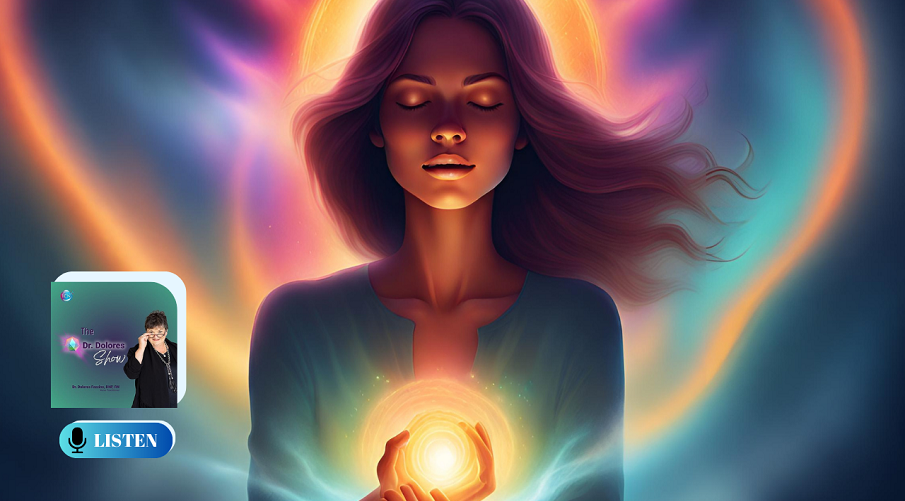
Dr. Dolores Fazzino, Nurse Practitioner, Medical Intuitive, TV, Podcast, & Radio Host
In a world filled with distractions, “The Dr. Dolores Show” brings you a reminder and guide to rediscovering the power of the present moment.
Join us on this transformative journey as we explore the profound impact that being fully present can have on your personal growth and self discovery.
The Dr. Dolores Show: The Art of Mindfulness
In this episode of The Dr. Dolores Show, we’ll delve into the art of mindfulness and the beauty of living in the present moment.
Discover how embracing the present moment can help you tap into your hidden potential, reduce stress, and cultivate a more fulfilling life.
Through expert insights, practical tips, and inspiring stories, we’ll empower you to make the most of each moment and awaken the untapped capabilities within you.
Are you ready to unlock the secrets of the present moment and harness its incredible potential for your personal growth?
Tune in to The Dr. Dolores Show and embark on a journey of self discovery and empowerment.
Learn to be fully engaged with your life as we guide you to create a brighter, more meaningful future by embracing the power of the present moment.
What to Look for In This Episode of The Dr. Dolores Show:
“Did you know that when you are in your head, you are rarely ever in the present moment?” Dr. Dolores Fazzino (01:33)
The ability to move through things with more ease and grace is where the magic happens. (10:36)
People have a tendency to live in their heads, you can get stuck trying to control things that are happening to you. (20:51)
Fear is a really interesting concept, it really keeps people stuck and trapped, and it is very confining. 22:54)
The pandemic was an opportunity for people to get off what I call the doing mobile and reset themselves. (24:20)
The longest relationship you are going to have in your life is with yourself. (25:27)
Often, we distract ourselves from ourselves because we are uncomfortable with who we are. (26:37)
“When you are in the present moment, you are in your heart space, this is where you get to experience emotions.” Dr. Dolores Fazzino (35:22)
We are here on earth to experience emotions, which allows us to gain wisdom and insight. (35:55)
You are in control of your life, you deserve to be in the present moment, there is nothing to be afraid of. (53:10)
CLICK BELOW TO LISTEN & WATCH TO “THE DR. DOLORES SHOW” PODCAST:
Khemara Sical is one of the coaches that we found this month and we did a little interview with her. She impressed us with her dedication and expertise.
She faced a debilitating mechanical back injury that left her grappling with excruciating pain and the inability to walk or stand. Fueled by a deep desire to heal herself, she delved into the world of meditation and energy alignment. Through diligent self study, she harnessed the power of these practices, witnessing their transformative effects across various facets of her existence.
Her extensive dedication led her to become a Certified Meditation Teacher, a Certified Corporate Wellness and Transformation Coach, and a certified Step into Your Moxie® Facilitator. She fortified her skill set with training in business and money coaching, Mindfulness Based Stress Reduction, Breathwork, Chakra and Aura Healing, and Ayurveda.
She escaped the confines of the corporate realm in mid 2019, she redirected her path toward coaching aspiring women entrepreneurs. Here is what she said.
Meet Life Coach Khemara Sical:
Name: Khemara Sical
Pillar: The Spirit, The Mind, The Heart
Who is this coach for: Anyone, especially aspiring women entrepreneurs who want to get rid of emotional triggers, release the negative side of perfectionism, and turn their passion into profitable business.
How they can help: Through various tools and techniques like NLP and Theta Healing, Mindfulness, Guided Meditation and Visualization just to name a few.
First of all, how are you and your family doing after these Pandemic times?
The pandemic changed our family dynamics, altering how we work and collaborate under one roof.
With work becoming a part of our day to day lives, we had to navigate the emotional ups and downs of working from home, where space was an issue.
However, the pandemic provided us with an opportunity to grow stronger as a family.
How did the coronavirus pandemic affect your clients? Did it affect you at all?
The coronavirus affected the way my clients were doing business.
I had clients come to me who didn’t know how to get their business online or how to work remotely, so they had to redefine their entire business, and for some clients, they had to start over.
As I was working with women entrepreneurs right at the start of the pandemic, it affected how I market my services but provided a massive opportunity for me.
What are the biggest lessons that you learned in this pandemic?
The biggest lesson I learned from the pandemic is that there are going to be times when you’ll be taken out of your comfort zone and stretched to the core as a person so that you can achieve your goals and dreams.
For instance, being seen on video and building an online presence for my business as an introvert was uncomfortable.
But it’s the un comfortability that is going to drive positive changes in your life and make a difference.
The Origin:
Tell us about you, your career, how you started with your coaching career?
I suffered a severe mechanical back injury at the beginning of 2013 that left me in tremendous pain, unable to walk or stand.
Since then, I began teaching myself how to self heal through the power of meditation and energy alignment and have seen the abundant effects of it unfolding in different aspects of my life.
I spent years learning about meditation and holistic healing techniques.
I became a Certified Meditation Teacher, Certified Corporate Wellness and Transformation Coach, and, more recently, a certified Step into Your Moxie® Facilitator.
I also have business and money coaching training, Mindfulness Based Stress Reduction, Breathwork, Chakra and Aura Healing, and Ayurveda.
I left the corporate world in the middle of 2019 and started coaching aspiring women entrepreneurs.
Since then, my coaching work has evolved into speaking and facilitating.
What was your biggest obstacle that you had to overcome in your life that made you who you are today?
I struggled with the 3 P’s, perfectionism, procrastination, and people pleasing and learned to see how these can become my strengths instead of weaknesses.
As perfectionists, you are high achievers and hold high standards.
A positive of perfectionism is being highly organized, which works wonders when handling multiple tasks, clients, and projects.
Then there’s procrastination, which also stems from being a perfectionist.
Many people don’t believe that there is some positive side to procrastination.
But as procrastinators, one can learn how to manage their delays and deadlines better.
Lastly, there is people pleasing.
Being a people pleaser can have many pros and cons.
One of the biggest pros of a people pleaser is that people see you as reliable and that you’ll get the job done the right way.
The Coaching Style:
How do you innovate with coaching your clients?
As a coach, it’s essential to evolve in my work continuously.
Personal development is never stagnant.
As my clients move forward in an empowering way for themselves, as their coach, I also must continuously evolve and grow in my work.
This could mean technological evolution, for instance, utilizing data captured from automated quizzes and surveys to build new programs and offerings.
This could also mean bringing new modalities to my toolkit and elevating how I work with my work with clients.
With innovation, it’s important not to lose sight of the personable side or human side of coaching, especially since the advancement of AI has become more and more part of everything we do.
What’s unique about your coaching approach?
Many coaches are taught to pick a niche, stick with it, and coach within it.
I don’t go by niches because I have so many areas of learning and experience that I bring with me from my corporate career, life experiences, training I’ve been through, and certifications.
I believe we all have the potential to be pioneers in our work, and our way will be different from the trailblazers that came before us.
I don’t believe in a cookie cutter or “one size fits all” approach to coaching.
I believe that coaching is an energy exchange and a balance of intuition with practical tools.
When a client comes into my coaching world, I want to feel that we are both an energetic fit to work together because that’s so important.
What benefits do your clients get after working with you?
Some of the benefits that my clients will get after working with me include:
Seeing life from a fresh new perspective so they can move forward in alignment on their path.
Get unhooked from emotional triggers and blocks holding them back from their best version.
Release the negative side of perfectionism and overcome overwhelm and burnout.
Turn their passion into a profitable service based business.
Find themselves, the happiness, and balance to live a guilt free life.
Learn how to meditate and implement meditation into their daily life as busy entrepreneurs or professionals.
Learn how to cultivate and use their intuition for success.
Speak up for the ideas and causes that are important to them.
Do you use any specific tools to be efficient with your clients?
Yes, here are some of the tools or modalities that I work with:
Subconscious reprogramming: NLP and Theta Healing
Mindfulness, Guided Meditation and Visualization
Breathwork and somatic tools
Energy work (EFT and Chakra balancing)
Trauma sensitive facilitation
The Impact:
If you had a super megaphone that, when you speak into, the whole world will hear your message, what would you say?
You are amazing, and the more you bring your brilliance to the world, the better the world becomes!
What is the greatest lesson you have learned in your life?
The biggest lesson I learned is that prioritizing my selfcare and mental health is crucial to what I do.
Putting myself first is hard with many life demands, especially when everyone needs my attention.
But I learned that we can’t help anyone if we can’t help ourselves first, and we can’t help those not ready to be helped.
We need to be in the right mental state to help and serve those who need us.
Otherwise, it becomes detrimental to our health and wellbeing.
This has been a big lesson for me as I suffered burnout from my corporate career and in my business while supporting my clients and balancing work with home life and everything else.
Your final thoughts?
I believe it captured all of my thoughts.
Where Can You FInd Khemara Sical?
If you liked this interview and if you would love to get unhooked from emotional triggers and live a life of passion, go to www.khemarasical.com and see how Khemara can help you.
If you’d like to learn more about her coaching, follow her Instagram or join her Facebook Group.
If you’d like to connect with her more personally you can do that by following her Facebook, via LinkedIn or by sending her a message on her Email [email protected]. It was an honor having this interview with her.