Every day, there are hundreds, if not thousands, of car accidents across the United States.
Not all of them are serious, but even fender benders can leave a mark on your vehicle and leave you shaken up. Unfortunately, many car accidents do leave people with serious injuries and totaled cars.
Car wrecks are scary, but don’t let fear keep you from taking action.
If you are injured, it’s crucial to contact a car accident attorney right away for a consultation.
Otherwise, if you want to avoid being involved in a car accident, here’s what you can do.
5 Ways To Avoid Car Accident:
1. Keep a safe distance.
Rear end collisions are one of the most common types of car accidents.
Maintaining your distance is the best way to avoid hitting someone in front of you.
Distance allows you more time to react in case the person in front of you hits their brakes unexpectedly or really hard.
The more distance, the more time you have to react.
2. Don’t try to eat or text while driving.
This should go without saying, but don’t drive while distracted.
Everything that isn’t part of driving your vehicle can be considered a distraction, from trying to eat a hamburger or looking for your phone to reaching into the back seat to calm your dog. Never take your eyes off the road in an attempt to multi task.
3. Pull over if you’re tired.
The National Highway Transportation Safety Administration (NHTSA) reported 91,000 crashes in 2017 caused by drowsy drivers.
These crashes caused 50,000 injuries and 795 deaths.
Being drowsy can impair your ability to drive in the same way as being drunk.
Although they aren’t exactly the same, intoxication and drowsiness create slow reaction times, diminish alertness, and negatively impact decision making ability.
When someone falls asleep at the wheel, they often drift into another lane at high speed and crash into another car.
You don’t want to be this person.
You could end up killing yourself, your passengers, and other people on the road.
4. Be aware of other drivers’ intentions.
Sometimes other drivers won’t see you in time and will crash into your car.
This can happen at stop lights, stop signs, right turns, and even in the parking lot.
For example, say you’ve just backed out of a parking spot and are about to put your car in drive and exit the parking lot when you notice someone in front of you pulling out of their space.
You watch them backing out and realize they haven’t looked back your way and are now just a few feet from hitting your front bumper.
Noticing the driver hasn’t looked back your way when backing out can give you the few seconds needed to get out of the way.
If you don’t notice, you could end up driving forward and hitting them, which could possibly make the accident legally your fault.
If you’re stopped and the driver backing out hits you, the accident is more likely to be determined to be their fault.
You can’t predict what other drivers are going to do all the time, but when you pay attention, you can get a heads up in some situations.
For instance, if a car doesn’t have its turn signal on, but its front wheels are turned in a certain direction, they’re probably planning on turning.
5. Slow down in heavy rain and snow.
Some people have an ego about being able to drive in the rain and snow, but don’t be one of them.
It’s hard to see in heavy rain, even when your wipers are going full speed.
Slowing down makes you a safer driver because you need more stopping power when visibility is low and your brakes are wet.
When it comes to snow, sometimes snow is easy to drive in, but the more compact it becomes, the more chance there is for an accident because it will turn into solid ice.
You also have to be concerned with black ice, and that’s usually unpredictable.
However, sometimes black ice routinely forms in specific areas, so pay attention and know which spots to avoid.
Follow the rules of the road!
Lastly, if there’s one thing everyone can do to avoid car accidents, it’s following traffic laws.
Laws might seem too restrictive, but they exist for a reason, and if everyone follows them, everyone is safer.
You won’t avoid all accidents, but you can avoid the ones that are preventable.
To truly make the most of life, it is not enough to focus on physical or mental health in isolation.
Both factors play a crucial role in not only our overall well being but also our ability to lead an enjoyable, fulfilling, and happy existence.
Being physically fit is naturally a positive thing, but it counts for nothing if you experience mental health issues that impact your life.
By the same token, being in the right frame of mind to succeed in life is not enough if your physical health is preventing this.
While this might be a simple enough concept to understand, caring for both physical and mental health is not always so easy for all of us in daily life.
This can lead to some people experiencing issues in one or both areas that impact their ability to reach their true potential.
When this occurs, there is a range of trained professionals who are able to deliver the specialized support to help you get back on track.
Qualified social workers are a good example of this and have the right knowledge to help support clients’ all round health.
As a result, moving into social work can be a great way to not only understand the true power of physical and mental health but also help those struggling in these areas move past their problems.
How Can Social Workers Support Both Physical and Mental Health: Full Guide
How do you become a social worker?
If you like the thought of helping vulnerable people achieve their true potential through supporting better physical and mental health, social work could be for you.
The best way to move into this industry is through formal academic study.
This not only provides the qualifications needed to work in the sector but also the right skills and knowledge to thrive.
Studying on a social work course can also help you forge professional connections within the industry to call on when building your career.
The best place to start is studying for a bachelor’s degree in social work at a reputable university.
Once this is done, many social work professionals will then continue on to a Master of Social Work course.
This more advanced award enables graduates to pursue licensure and move into clinical social work.
This kind of social work is often the best place to really make an impact on clients in terms of their physical and mental health.
The online Master of Social Work at Florida State University is a popular advanced program for social workers and delivers a convenient online way to move into clinical social work.
With the chance to graduate in only two years, it can also be studied part time, which is ideal for busy working professionals.
What skills and qualities do you need to become a social worker?
Although gaining the right qualifications is key to becoming a social worker and better supporting clients’ mental and physical health, it is also crucial to have the right skills and qualities.
But what are some of the most important things to focus on developing?
As this is such a client facing role, communication is a skill that is critical.
Being able to communicate well in person, over the phone, on video call or via email, for example, enables social workers to clearly pass on information in a concise, appropriate manner.
Listening is also a key skill for social workers because a lot of the job is about listening actively to what clients are saying.
This can help you pick up on what might be holding them back from exercising to boost their physical health, for example, or what might be triggering their mental health issues.
Social work professionals must also be very organized and good at not only taking notes but also updating them.
When it comes to personal qualities, compassion is naturally essential, and empathy is also useful for building connections with clients.
Using these qualities, for example, can help clients open up to you and feel a bond that encourages them to talk about their mental or physical health problems.
This, in turn, enables the social worker to glean far more information to work from in terms of how best to support them in these areas.
Ethics are also key for those in social work and help professionals adhere to industry guidelines and treat clients fairly.
How can social workers support both the mental and physical health of clients?
We have already noted that mental and physical health are key ingredients to achieving our potential as humans.
Social workers can certainly help clients get the right support in these areas, but just how do they do this specifically?
1. Integrated assessment and care planning.
The proper integration of assessment and care planning is vital because it enables social work professionals to deliver help that takes both physical and mental health into account.
Without this integrated approach, it would be easy to only focus on one aspect and not provide the best support.
But how does this look in practice for social workers?
Integrated assessment involves talking with a client to find out more about the physical and (or) mental health issues they are experiencing.
Social workers will listen carefully at these sessions, ask relevant questions and record notes from which to make assessments.
This will naturally include finding out more about a client’s current situation, looking at how this might be affecting their physical and mental health, and assessing how issues in one area might be affecting the other.
Once an integrated assessment is made that covers both the client’s physical and mental health, social workers will then look at planning out the care that is required.
This will also be done in an integrated way so that both physical and mental health support is given where needed.
A social worker, for example, may assess that substance abuse is not only bringing on aggressive behavior in a client but also impacting their physical health through poor personal hygiene.
The integrated care plan, in this case, may focus on helping the client deal with their substance abuse issues to solve their behavioral problems and also draw up a personal hygiene plan to follow for better physical health.
2. Collaboration with healthcare professionals.
Social workers are specialized professionals who have advanced knowledge in their field.
To offer the very best mental and physical health support to clients, though, they still need to collaborate with other healthcare professionals regularly.
This enables them to utilize the specific skills that these health colleagues possess and deliver high quality support to those they help.
Also, collaborating with colleagues in health allows social workers to get a fresh perspective on how best to help clients and double check with experts that any assessment or planned care package is the right decision.
If a social worker thinks that the depression that a client is experiencing, for example, is stopping them from working out and leading to the risk of obesity, then they may double check with a mental health counselor about whether this could be the case.
They may also ask the counselor how best to treat the client’s depression to make them feel more like exercising or what benefits exercise can have on mental health.
Following this, the social worker may then speak to a physiotherapist to find out which exercises are best for people who have not worked out in a while so that they know which types to recommend in the care plan.
In the modern world, this form of collaboration is made simpler by the tech that is used within social work and health.
Email, for example, makes it quick to touch base with health colleagues and gain expert advice from them.
Video call platforms are ideal if a face to face discussion is better via a convenient digital format.
File sharing platforms such as Dropbox are also popular ways to facilitate these kinds of collaborations and deliver a secure, confidential way to share documents.
3. Supporting chronic illness management.
Chronic illnesses can have a major impact on how people feel physically, how they feel mentally, and how much they get from life.
Chronic physical illnesses, for example, not only affect how well certain parts of our bodies function but can also bring high levels of discomfort.
This, in turn, can lead to physical symptoms causing issues with mental health.
It can be common, for example, to get very down about living with high pain levels each day and having poor mental health as a result.
Of course, the same can be true in reverse, and we see chronic mental health conditions leading to physical health problems.
Someone who has severe anxiety, for example, may turn to self harm in order to calm themselves.
Common examples of chronic illnesses that can impact physical and mental health include Crohn’s disease, heart disease, cancer, arthritis, obesity, depression and osteoporosis.
Social workers can provide excellent support in this area by helping clients manage the chronic conditions they have.
This not only gives them someone to talk to about how best to manage their condition but also someone who can signpost them to the best resources to achieve this.
Social workers can also collaborate with colleagues, as above, to find out new or better ways for clients to manage their illnesses.
Professionals in the industry can also provide an objective viewpoint on how a client is managing their condition and have a clearer view of how this could be improved to foster better mental and physical health.
If someone with bipolar disorder, for example, lets slip in a session that they have stopped taking their medication, the reason for a slump in their mental health and injuries from resultant physical altercations when manic might suddenly become clear.
By encouraging the client to take their medication as prescribed, social workers can help them get back on track and manage their condition better.
4. Advocacy for accessible healthcare.
Advocacy work is something that is key for most social work professionals, and sees them fighting to make the world a better place.
This is achieved through raising awareness of social justice issues, advocating for fairer policies, and helping people who are left outside of mainstream society get fair treatment.
In terms of supporting both physical and mental health for clients, social workers can achieve this through advocating for more accessible healthcare for all.
This helps to ensure that healthcare is something that everyone can access.
By doing this, social work professionals are able to ensure that everyone is able to get help with things such as managing ongoing mental health issues or getting support from the health sector around improving their physical fitness.
By advocating for more accessible mental health services for this community, social workers are able to improve the mental health support that these clients can get.
This, in turn, can not only see them keep in better shape mentally but also stop their physical health from being impacted by mental issues.
5. Promoting healthy lifestyles.
Achieving our true potential in life revolves heavily around following a healthy lifestyle.
This is both in a physical sense (where a healthy diet can help) and a mental sense (where mindfulness or meditation can be a benefit).
The most vulnerable in society may need help in following a healthy lifestyle overall, and this is something that social workers can promote.
Many clients, for example, may not realize how key sleeping well, eating well and drinking plenty of water each day is for their physical health.
By the same token, they might not understand how important it is to be kind to yourself and maintain a positive mindset in life (even when you might be going through difficult times).
Social workers can talk with clients about these subjects and help them understand the benefits of living in a healthier way.
They can also point out how this could, in turn, help them improve their current situation.
Social workers can also suggest practical ways that clients can go about living in a healthier way or signpost them to colleagues in health who can offer specialist advice to take on board.
If a client wants information on a healthy eating plan, for example, to get physically fitter and feel better, a social worker could help them find it online or refer them to a nutritionist for further help.
If a social worker notices that a client smokes, they could point out that quitting would be better for their lungs and overall physical health.
They could also point out how much cigarettes are costing them and the mental stress that this brings into their life.
By encouraging the client to quit, social workers can help them be more healthy and bring down their stress levels.
Although these are just two examples of how social workers can promote healthier lifestyles to benefit clients overall, they give a good idea of how it can work in practice.
6. Community engagement and support groups.
It is always crucial for social workers to engage with local communities and connect with people in their area.
This is useful because it puts them in contact with people who might not choose to visit a social worker normally or those who might not know how to access this kind of support.
Community engagement can also help professionals in the industry support clients’ physical and mental health.
Allowing them to engage with disparate groups in their own environment enables social workers to find out what issues may be affecting someone’s overall health.
They are then able to suggest ways to tackle these issues and help raise someone’s state of mind and (or) physical health.
Social workers may also arrange a follow up session to discuss the situation more and provide effective assistance.
Support groups can also play a major role when it comes to supporting the physical and mental health of clients.
These are groups that bring together people with specific issues that could impact their physical and mental health.
Social workers will have knowledge of local support groups that clients may choose to visit.
These groups give clients somewhere safe to talk through their problems and hopefully move past them to become healthier overall.
A good example of this is a group that gives support to those suffering from alcoholism.
Social workers are key to clients’ mental and physical health
The general aim of social work is to give much needed assistance to the poorest, neediest and most vulnerable in society.
A large part of the role can involve finding ways to help a client improve their situation through supporting better mental and physical health.
This often goes hand in hand, as a bad situation can often have a negative impact on a client’s mental and physical well being.
As the above shows, there are a number of effective ways that trained social workers achieve this.
For anyone looking to move down this career path, it is something that is worth considering.
Alcoholism is the most severe form of alcohol abuse where someone is incapable of managing their drinking habits.
It’s an addiction, and like most addictions, it requires professional help.
While it’s possible to find alcoholics all over the world, these 10 countries have the highest incidences of alcoholism.
Top 10 Nations with Highest Alcoholism Score:
1. Hungary
In Hungary, more than 21% of the population struggle with alcohol abuse.
Although Hungarians aren’t the heaviest drinkers, they do drink very regularly.
And the number of Hungarians who are drinking regularly is steadily growing, which has led to a growing need for outpatient rehab for alcohol treatment.
Hungary boasts the lowest alcohol prices in the European Union.
2. Russia
Russia is known for its vodka, and 20.9% of its population has an addiction to alcohol.
Drinking is pervasive and socially acceptable.
Alcohol is a major revenue stream for the Russian government.
Russians consume 10.42 liters of pure alcohol per capita according to the World Health Organization.
3. Belarus
Belarusians have a high prevalence of alcoholism with 18.8% of the population suffering.
Alcohol related deaths affect on average 20,000 Belarusians each year.
In 2010, this small country had the highest rate of alcohol consumption in the world.
The government has implemented policies and initiatives, like prohibiting the sale of fortified fruit wines known as “ink,” to curb the problem, but it has done little to alleviate alcoholism.
4. Latvia
Latvia has a high incidence of alcoholism at 15.5%.
The Latvian climate is well suited to growing grains more so than wine grapes, so the main spirit of choice is vodka.
In 2019, Latvia had an alcohol consumption rate of 12.9 liters of pure alcohol per capita.
This rate peaked at 13.2 liters per capita in 2018.
5. Slovenia
In 2023, Slovenia ranked fifth in the top five alcoholic countries in the world with nearly 14% of its population suffering from alcoholism.
The death rate associated with alcoholism is considerably higher than that of the entire European Union.
Alcoholism and alcohol consumption has proven to be such a burden on the Slovenian economy that they began an annual “40 Days Dry” campaign in 2019 to encourage citizens not to consume any alcohol for the 40 days leading up to Lent.
6. USA
Nearly 14% of Americans suffer from alcoholism.
And when it comes to preventable deaths, alcoholism ranks third.
Alcohol related diseases and conditions like liver and heart disease are common among alcoholics, as are fatal accidents that occur as a result of drunk driving and engaging in other dangerous activities while intoxicated.
7. South Korea
Like the USA, nearly 14% of South Koreans are alcoholics.
A custom referred to as hoesik is very commonplace for many South Korean companies.
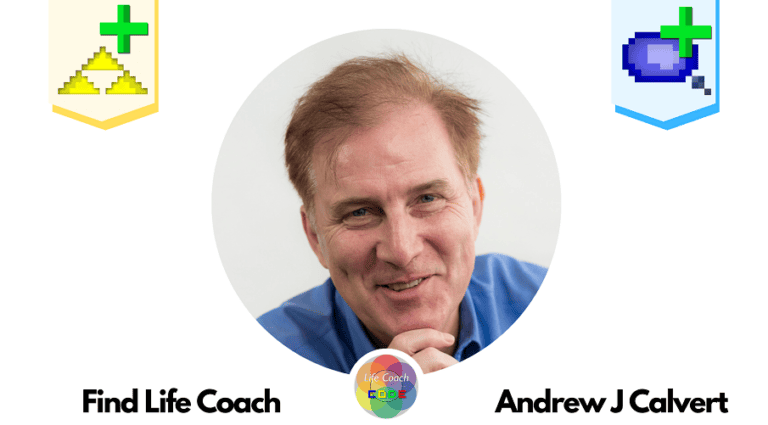
Andrew J Calvert is one of the coaches that we found this month and we did a little interview with him. He impressed us with his innovativeness and wisdom.
He found his path to coaching through a mentor who instilled the importance of reflection and communication. From honing sales skills to navigating the intricacies of leadership and personal development, he discovered the universal applicability of coaching across various life domains and organizational levels.
His mindset played pivotal role in shaping his identity. Confronting limiting beliefs became a transformative journey, and he candidly shares how overcoming his own obstacles laid the groundwork for his coaching philosophy. As an adept coach, he employs a unique approach, blending elements of positive psychology, metaphor, and analogy, creating a collaborative dance with his clients.
He invented the Serendipity Engine card deck, a dynamic fusion of oracle, positive psychology, and reflective prompts, providing clients with fresh perspectives and practical solutions to navigate challenges. His coaching style, characterized by a rich tapestry of influences ranging from Taoism to subatomic physics, sets him apart. Each coaching session becomes a creative exploration, where clients lead, and he orchestrates a harmonious interplay of ideas and insights. Here is what he said.
Meet Life Coach Andrew J Calvert:
Name: Andrew J Calvert
Pillar: The Spirit, The Mind
Who is this coach for: Anyone who wants to calm the noise in the mind, gain clarity, and understand the reasons behind what they are facing and how to move forward in life.
How they can help: By using various tools and techniques like The Empty Chair, Self Determination Theory, and the Serendipity Engine card deck for both reflection and to help offer practices for clients to use between coaching sessions.
First of all, how are you and your family doing after these Pandemic times?
Lucky to say we are doing well, a combination of good living conditions (we live on the edge of the rain forest that is Bukit Timah Nature Reserve in Singapore) and a close knit family have blessed us.
We had our struggles but a positive mindset, and each of us having a focus (from studies, to art, to teaching, to coaching) helped us get through those dark days.
How did the coronavirus pandemic affect your clients? Did it affect you at all?
The pandemic affected my clients in many ways.
The pandemic magnified many things.
Coping mechanisms like partying, holidays, spa days etc. were no longer available, which laid bare and magnified underlying issues with their careers, marital or social relationships, or even a lack of purpose or meaning in how they were living.
These all resulted in my clients redefining their relationship to the work they performed, the career path they find themselves in and to facets of their life as mundane as the way they commute or the amount of time they spend outdoors.
What are the biggest lessons that you learned in this pandemic?
1. The power of nature.
I was lucky enough to walk in the rain forest near to my home.
Those walks for 30 to 90 minutes daily, and in all weathers really helped my reflect on my own life, my relationships, my values and beliefs.
If we had not had the pandemic I might never have had the space and time to engage so reflectively.
2. Another lesson was the impact of listening in connecting with other human beings.
Daily I would call friends from school, college, from my time in the US, UK, Hong Kong and beyond.
I realized the power of giving your attention to another, and really listening, how cathartic that can be and how listening deepens connections between us.
3. I also came to be clearer that progress appears in many forms.
And that often the client is making progress but their inner narrative (often not their own voice) tells them what progress they are making is not enough or not a high enough quality.
Helping them explore what their inner narrative is and where it comes from allows them to change the way the see the world and realize greater results.
The Origin:
Tell us about you, your career, how you started with your coaching career?
I came to coaching through several paths:
A spiritual teacher shaped my journey with questions for reflection and self discovery.
My studies of Eastern and Western religions led to a love of questions (not just answers) and the joy of reflecting on those questions.
On a more practical day to day level, I came to coaching through one of my early bosses, who coached me before and after every training program he had me attend.
That process used my existing skills, communication, story telling and my innate curiosity, to become a successful salesperson (an entirely new skill).
My exposure to coaching skills for leaders, sales managers and retail managers helped me see how coaching is applicable in all walks of life and at all levels of organizations.
As I grew in my career, I found that I and my team got better results (both personal and business) if I coached them rather than told or mentored…
Over the years I’ve led team members who have lost babies at 8 months of pregnancy, faced cancer, family members with Alzheimer’s, and also those getting married for the first time, first time parents, starting a new business, moving city or country.
Each situation taught me the power of the gentle question, the offer of support, the gift of listening.
What was your biggest obstacle that you had to overcome in your life that made you who you are today?
Great question; my biggest obstacle, has been my own mindset.
How I thought about what I “deserved” in life, my beliefs about my education, up bringing, life choices, all contained limiting beliefs (and ironically all held the seeds of my growth too) and I still work on them with my own coach!
And it is in the realization that my biggest obstacle held the potential for my biggest lessons helped me clarify my what and how of the way I coach.
The Coaching Style:
How do you innovate with coaching your clients?
I developed the Serendipity Engine card deck to work with my clients.
The deck: part oracle, part positive psychologist, and part mirror… allows me to focus my clients on the chronic situations or relationships they are dealing with through a new lens, giving them different ways to approach what has previously had them “stuck”.
The cards also help me provide mediations or practices to help prevent over thinking between sessions.
The use of forcing connections, uncovering unconscious associations and deep listening really help build, and innovate these relationships.
The cards work particularly well with long term clients to help bring a freshness to our conversations.
What’s unique about your coaching approach?
My love of laughter, organic farming, subatomic physics, Taoism, Buddhist philosophy, Christian values, positive psychology and a host of other ideas, philosophies and approaches to life blend with a solution focused coaching approach.
Each coaching session is a “dance” or an improvisation where the client leads and I follow, using metaphor and analogy to help them connect dots and look with new eyes at old and current challenges.
What benefits do your clients get after working with you?
My clients have remarked about their ability to gain greater clarity around the “what” they are facing AND a deeper understanding about the “why” they are facing that situation or challenge.
They also like the ‘no nonsense’ practical plans we co create to help them get moving in the direction they desire.
One client told me she has been able to quieten the “noise of her mind” so she can, “listen to the whispers of her heart”.
And in those whispers are her dreams, goals and higher aspirations.
Do you use any specific tools to be efficient with your clients?
As I mentioned earlier, I use the Serendipity Engine card deck for both reflection and to help offer practices for clients to use between coaching sessions.
I also use a few models, Self Determination Theory is one I use a lot.
The Empty Chair is one technique I enjoy as is the life timeline, which provides the coachee and myself great insights into their values, beliefs and the story they tell themselves.
The Impact:
If you had a super megaphone that, when you speak into, the whole world will hear your message, what would you say?
I think I’d prefer to have a super ear trumpet to listen to the whole world.
There is so much noise, with so many touting this or that “fix” or solution.
The more someone feels heard, the greater the chance for them to listen to the whispers of their heart!
What is the greatest lesson you have learned in your life?
How we are all interconnected, the energy we give out as parents, friends, colleagues, vendors, spouses, all reflect on us.
How our thoughts create the world around us, in subtle and not so subtle ways.
Jill Bolte Taylor a brain researcher details her findings tin this Ted Talk.
If our thoughts create our world as Taylor suggests, for me that brings up one of my favorite quotes “whether you think you can, or you think you cannot, you are right!”
Understanding the power of our thoughts has been a great gift and one I still reflect on.
In running my small organic farm, I learned that planning, preparation, and proper rotation are crucial, but that timing, a time to plant, nurture, weed, fertilize, tend, to harvest and to lie fallow, are also important elements for us all.
Understanding there are cycles within us and around us and that coming to recognize and then harness those cycles unlocks incredible potential.
Your final thoughts?
My journey has been a special one, and as I’m fond of saying, “the journey IS the destination”.
Having lived in Europe, Asia and the USA, worked on the land and in office and, worked with machines and people on products and processes, I have been blessed with a range of experiences and skills that allow me to work with my clients to get extraordinary results.
Where You Can Find Andrew J Calvert?
If you liked this interview and you would love to learn how to calm the noise of your mind so you can listen to the whispers of your heart, go to www.andrewjcalvert.com and see how Andrew can help you.
If you’d like to connect with him more personally, you can do that through LinkedIn or by sending him a direct message on his Email [email protected]. It was an honor having this interview with him.
Humor is a universal language, transcending boundaries and knitting hearts together.
One of the delightful avenues where humor has found its expression is in the realm of socks.
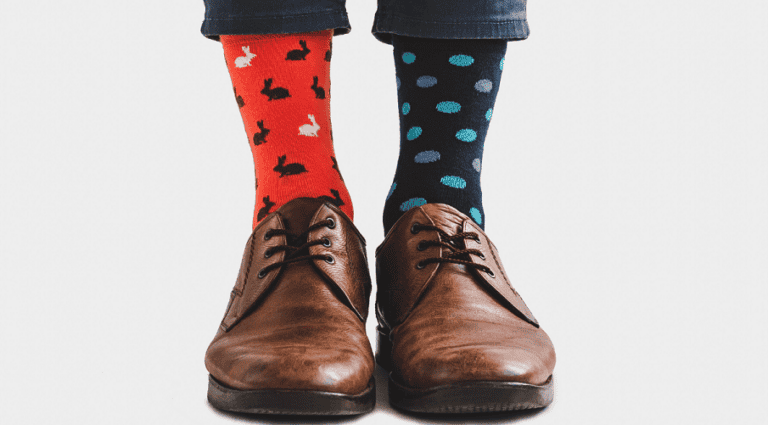
Men and women are now striding in socks splashed with humor, color, and creativity.
This trend has not only warmed toes but hearts as well, forging a fun path in fashion.
The Fabric of Fun: Material Mastery in Funny Socks
The creation of funny socks is an art, blending comfort with comedy.
Breathable materials like cotton, bamboo, or wool serve as a perfect canvas for whimsical designs, witty phrases, and playful patterns that tickle the funny bone.
Styling with a Smile: How to Rock Funny Socks
Whether peeping from under formal trousers or paired with a casual ensemble, funny socks add a zesty twist to any outfit.
For men, they can be a quirky counterpart to a tailored suit.
Women can pair them with skirts or dresses for a playful yet polished look.
A SocioPsychological Perspective: Beyond Fashion
Funny socks are more than just a fashion statement.
They are a reflection of personality, a social icebreaker, and a subtle mood lifter.
The joy of sporting a pair or spotting someone else’s humorous hosiery creates a ripple of laughter in the mundane.
The Cozy Corners of Comedy
Funny socks have emerged as a delightful blend of comfort and comedy, catering to both men and women.
They encapsulate the essence of joy, humor, and self expression, one sock at a time.
Celebrities are often placed on pedestals as having perfect lives we should all aspire to.
But it turns out they face the same struggles as the rest of us.
One such struggle that knows no boundaries of fame or fortune is addiction.
From drug abuse to eating disorders, addiction has left its mark on many, including some of the most successful and beloved figures in Hollywood.
Here are five celebrities who have been open about their struggles with addiction.
5 Celebrities Who Struggled With Addiction:
Celebrity Story 1: Robert Downey Jr.
Robert Downey Jr. is one of the most in demand actors today, starring in movies such as Iron Man and Oppenheimer.
But there was a time he was blacklisted in Hollywood due to his drug problems.
The actor was fired from the T.V. show Ally McBeal in 2001 after a drug related arrest.
The actor’s drug addiction is well documented. In 1999, he was sentenced to three years in prison after multiple parole violations stemming from an earlier arrest.
He has been sober since 2003 and continues his Hollywood comeback.
Robert Downey Jr.’s recovery from addiction is often used as a positive example.
Celebrity Story 2: Matthew Perry
Matthew Perry’s addiction story isn’t as uplifting.
Best known as ‘Chandler Bing’ from the sitcom Friends, Perry detailed his addiction in his 2022 memoir, Friends, Lovers, and The Big Terrible Thing.
In the book, he revealed that he began drinking alcohol at age 14.
The actor further shared that his addiction to prescription drugs was at its worst during the time Friends was at the height of its popularity.
He planned to create a foundation to help recovering addicts. Unfortunately, he never got a chance. Matthew Perry died in October 2023 after drowning in a hot tub.
While Perry claimed to be sober before his death, the autopsy showed he had acute levels of ketamine in his system that contributed to his drowning.
Celebrity Story 3: Demi Lovato
Demi Lovato is one of many celebrities who got their start on the Disney Channel.
In 2008, she co starred in the movie Camp Rock with the Jonas Brothers.
The singer actress released her first album, Don’t Forget, that same year.
Lovato’s troubles began in her teenage years, leading to her entering rehab at the age of 18.
After a period of sobriety, Lovato suffered a highly publicized overdose in 2018.
She spent several weeks in the hospital and then entered an in patient rehab facility.
Lovato now openly discusses her journey to sobriety.
Celebrity Story 4: Elton John
Elton John has been sober for over 30 years.
The music legend struggled with addiction for over a decade.
In the late 1970s and 1980s, he had a severe addiction to alcohol and cocaine.
He credits Ryan White as the reason why he sought help for his addiction.
White, a teenager from Indiana, made headlines in the 1980s after contracting AIDS through a blood transfusion.
The young boy’s death spurred Elton John to enter rehab.
The singer now advocates for HIV awareness and uses his addiction struggles to help other addicts.
Celebrity Story 5: Drew Barrymore
Drew Barrymore shot to stardom at just seven years old when she was cast in the movie E.T. the ExtraTerrestrial.
Her addiction problems started at an early age, too.
Barrymore previously revealed that she started drinking alcohol at age nine and smoking marijuana at 10.
By the time she was 12, Drew Barrymore was addicted to cocaine.
At the age of 14, she was institutionalized after a suicide attempt.
After being released, she was legally emancipated from her parents and began rebuilding her life and career.
Barrymore has been sober for many years and is an example of how it’s possible to overcome even the darkest of times.
More often than not, it’s not something you can overcome by yourself.
Most of these celebrities had someone actively working with them.
You need some support group of professionals to guide you through the process. So if there is someone you love that is going through addiction and you want to help them (or if it’s you), we strongly recommend to look for help.
Dr. Dolores Fazzino, Nurse Practitioner, Medical Intuitive, Energy Whisperer
The holidays can be a magical time of year, filled with joy, love, and togetherness. However, for empaths and highly sensitive people, this season can also bring overwhelming emotions, stress, and exhaustion.
That’s why, in Episode 3 of The Empath’s Holiday Haven, on The Dr Dolores Show, we’re here to guide you through the transformative art of self care, specifically designed to nourish your soul during the holiday whirlwind and the year to come.
As empaths, you possess a unique gift, an extraordinary ability to absorb and connect with the emotions of others.
While this gift allows you to be incredibly compassionate and intuitive, it can also leave you feeling drained and emotionally burdened, especially during the holidays.
But fear not, for we are here to help you unlock the secrets of self care, a vital practice that empowers you to maintain balance and stay rejuvenated throughout this bustling season.
The Dr. Dolores Show: 9 Tricks to Nurture Your Soul
As we step into the New Year, it’s the perfect time to embark on a journey of self nurturing and soulful growth.
Dr. Dolores Fazzino shares nine invaluable tricks to foster your well being and elevate your soul in the coming year.
Let’s explore these transformative practices.
1. Everyday Self Care:
Embrace the concept that self care is a daily commitment.
Elevate your well being by prioritizing self care as an integral part of your routine.
Begin your mornings with a dedicated 10 minute mindfulness routine.
Whether it’s meditation, deep breathing, or a moment of gratitude, make it a ritual that sets a positive tone for the day.
2. Understanding Emotional Needs:
Cultivate a deeper understanding of your emotional needs.
Nurturing emotional well being involves self awareness and a commitment to addressing those needs with compassion.
Consider keeping a journal to track your emotions and identify patterns.
Take moments throughout the day to check in with yourself, reflecting on experiences that trigger specific emotional responses.
This practice fosters a deeper understanding of your emotional needs.
3. Energetic Alignment:
Recognize your energetic nature and be mindful of the energies you absorb from your environment.
Make conscious choices to surround yourself with positivity and vibrancy.
Evaluate your environment for both positive and negative energies.
Make intentional choices to create a more positive space, consider adding plants or uplifting artwork to your workspace.
These elements can significantly contribute to your overall sense of well being.
4. Spirituality Beyond Religion:
Explore spirituality as a distinct concept from religion.
Connect with your inner self and trust your intuition, fostering a spiritual journey unique to you.
Dive into different meditation techniques, attend workshops, and join communities that explore spirituality in a non religious context.
This exploration allows you to connect with your inner self and embrace a spiritual path unique to you.
Join the Superhuman University and upgrade your Spirit, Mind, Body, Heart, so you can uncover your hidden superpowers and become a superhuman. Dr. Dolores is one of the 30+ experts who are sharing their knowledge and working with our members inside the Superhuman University.
5. Power of the Present Moment:
Ground yourself in the present moment.
Find strength and empowerment by practicing mindfulness, recognizing that the present is where your true power resides.
Incorporate mindfulness into your daily life, perhaps by practicing mindful eating.
Be fully present in each activity, savoring the richness of the moment.
This practice cultivates a sense of empowerment and appreciation for the beauty of now.
6. Reflect on What Works:
Use the turn of the year as an opportunity for reflection.
Assess what is working in your life and consider adjustments for a more positive and fulfilling path.
This reflective practice provides clarity on your journey and allows you to make conscious choices aligned with your goals.
7. Word of the Year Focus:
Set the tone for the year by choosing a guiding word.
This word encapsulates the essence of what you wish to manifest and achieve in the coming months.
Whether it’s “growth,” “joy,” or “balance,” let this word be a constant reminder and motivator as you navigate the year ahead.
Engage in a powerful exercise by writing a gratitude letter to your future self.
Express appreciation for the achievements and positive experiences you envision in the coming year.
This practice not only sets a positive intention but also aligns your thoughts with the abundance you wish to attract.
9. Balancing Giving and Receiving:
Acknowledge the importance of balance in giving and receiving.
While giving is a virtue, allow yourself to graciously receive from The Universe, fostering a harmonious exchange.
This harmonious exchange contributes to overall well being and creates a positive flow of energy in your life.
As you step into the New Year, integrate these nine soul nurturing tricks into your life.
Dr. Dolores Fazzino’s wisdom provides a roadmap for a year filled with self discovery, joy, and purpose.
Embrace these practices to cultivate a vibrant and soulful existence, making the most of the opportunities that the New Year brings.
But self care is not just about surviving, it’s about thriving during this season of celebration.
By delving into the art of self care, you will not only safeguard your emotional health but also enhance your ability to fully engage with the joys and festivities of the holidays.
This episode will provide you with insights that go beyond the surface level of self care, it will inspire you to transform your relationship with yourself and your environment.
LICK BELOW TO LISTEN & WATCH TO “THE DR. DOLORES SHOW” PODCAST:
To donate to our podcast “The Dr. Dolores Show” please snap the QR code. Your donations will ensure our work continues to be produced and hosted globally.
What to Look for In This Episode of The Dr. Dolores Show:
“Self-care is so important, not just this time of year it is every day of the week, month and year.” Dr Dolores Fazzino (02:25)
“Your emotional well being involves understanding and addressing your emotional needs.” Dr Dolores (06:58)
We are energetic beings and we take on so much stuff from our environment. (08:39)
Spirituality often gets intertwined with being religious but they are separate concepts.
Just listen to yourself, listen to what you are getting from your gut, it is usually very accurate. (15:01)
The only thing we have going on right now is us being in the present moment. (19:45)
This is a perfect time of year to do some reflection on what is working and what is not. (28:21)
Focus on a word for the year and allow that to be the underline essence of what you want to be. (35:04)
Write a letter to your future self of everything you are grateful for that you created this next year. (36:57)
We are good at giving and giving but allow yourself to receive from the universe. (39:48)
Celebrate the victories and focus on joy. (42:50)
FIND THE DR. DOLORES SHOW WITH DR. DOLORES FAZZINO HERE!
Dr. Dolores Fazzino, Nurse Practitioner, Medical Intuitive, Energy Whisperer
In this episode of The Dr. Dolores Show we continue on with our second episode of a series on the Empath’s Holiday Haven.
We delve into the vital importance of authentic connection during the holiday season.
The Dr. Dolores Show: 7 Steps to Cultivate Authentic Connections
The holiday season is often celebrated as a time of joy, connection, and shared traditions.
However, for those of us who identify as empaths, this festive period can bring a unique set of challenges.
The heightened sensitivity to the emotions of others, combined with the bustling energy of the season, can make the holidays overwhelming and daunting.
Step 1: Recognize Your Empathic Nature
Begin by acknowledging and understanding your empathic nature.
Recognize that you are highly attuned to the emotions of those around you, operating within a unique energetic matrix.
This awareness sets the foundation for genuine connections during the holidays.
Step 2: Tap into Your Heart Space
Connect with others on a deep level by tapping into your heart space.
Authentic communication flows effortlessly from this space, ensuring that whatever you express during the holidays is genuine and resonates with your empathic nature.
Step 3: Embrace Your Authentic Self
Cultivate authenticity as the cornerstone of your holiday experience.
Dr. Dolores Fazzino emphasizes that authenticity aligns you with your soul, allowing your inner perfection to shine through.
Embracing your true self contributes to personal growth and positive transformations.
Step 4: Navigate Change with Grace
Understand that change is a constant in life.
Instead of resisting it, embrace the idea that sometimes, when things seem to be falling apart, they are actually falling into place.
Navigating change with grace is crucial for maintaining authentic connections during the holiday season.
During the holidays you might find yourself surrounded by people who changed a lot, or you might be the one who is navigating a time of changes.
Do not resist the change.
Embrace it.
And be excited for meeting these new versions of your loved ones.
Step 5: Embrace Vulnerability as a Superpower
Recognize vulnerability as a superpower that enhances your ability to connect authentically.
Opening yourself up to others during the holidays creates deeper and more meaningful connections.
Dr. Dolores Fazzino suggests that vulnerability empowers empaths to navigate challenges with strength.
Step 6: Introduce New Traditions and Ideas
Shake up the holiday culture by introducing new traditions and ideas.
Dr. Dolores advocates for change and suggests that altering traditions is about implementing something fresh.
Embrace the opportunity to infuse the holidays with your unique perspective and creativity.
If it’s coming from your authenticity, you might be surprised how accepting others can be.
Step 7: Prioritize SelfCare and Go with the Flow
Ensure you have the energy to connect authentically by prioritizing self care.
Dr. Dolores highlights the importance of taking care of yourself to have more to give to others.
Additionally, allow yourself to go with the flow of life, recognizing that holding onto situations for too long may hinder personal growth.
By following these seven steps, empaths can cultivate authentic connections during the holiday season.
These steps provide a guide for navigating the holidays with authenticity and meaningful connections.
Dr. Dolores Fazzino’s insights serve as a compass for empaths, encouraging them to approach the festive season with self awareness and a commitment to genuine connection.
Dr. Dolores provides valuable insights on how to break through the surface level conversations that often dominate holiday gatherings.
Whether it’s through mindful listening, heartfelt storytelling, or small gestures of appreciation, this episode will guide you in creating more meaningful and fulfilling relationships this holiday season.
LICK BELOW TO LISTEN & WATCH TO “THE DR. DOLORES SHOW” PODCAST:
To donate to our podcast “The Dr. Dolores Show” please snap the QR code. Your donations will ensure our work continues to be produced and hosted globally.
What to Look for In This Episode of The Dr. Dolores Show:
For those of us that are empaths the holidays can be overwhelming and daunting. (01:43)
When you are an empath you are highly in tune with the emotions of everyone. It is like you are in this energetic matrix. (04:08)
Being an empath you have the ability to connect with others on a very deep level. (05:55)
When you are able to tap into your heart space, whatever you need to say will be the right thing. (07:02)
When you are in authentic mode you are aligning with your soul to create the changes you need to experience for yourself. (10:45)
“Being authentic is so essential and so in alignment with who you are on a soul’s level, your inner perfection shining through.” Dr. Dolores (12:58)
Sometimes when things are falling apart sometimes they are falling into place. (13:38)
“When you are taking care of yourself you actually have more to give to others.” Dr. Dolores Fazzino (21:58)
We are so resistant to getting out of our own way – it is crazy making. (23:02)
When we try to hang on too long we miss out on opportunities, just allow yourself to be in the flow. (30:10)
Vulnerability is like a super power. (36:36)
I think that shaking up the culture or changing traditions is about implementing something new. (38:41)
Who you are in this moment is a combination of every experience you have had. (52:46)
FIND THE DR. DOLORES SHOW WITH DR. DOLORES FAZZINO HERE!