By Dr. Dolores Fazzino, DNP, Nurse Practitioner, Medical Intuitive, Energy Whisperer:
Does this happen to you? You are minding your own business and feeling pretty good.. and suddenly, out of the blue, you feel as if you are getting triggered or you get a feeling like you are not yourself.. and you are not sure why?
Guess what, it is not you!
It may be challenging to wrap your mind around this but what is actually happening is you are getting an energetic download.
These downloads have been occurring frequently and seem to coincide with astrological events, such as planetary changes, retrogrades, moon cycles, and eclipses.
Lately, the huge solar flare that occurred and energetically hit the earth around November 11, 2021, was a doosey!
What are Energetic Downloads?
I equate those energetic downloads as similar to that of a computer.
Just like a computer getting a new program uploaded or an upgrade, it needs to reboot itself before it can be used.
We as human beings are an intricate, highly advanced computer of sorts… we carry a lot of information in our bodies, minds, and souls.
This information is stored as energy in our bodies.
When we experience an upgrade of energy or a download from the universe, our physical, mental, emotional, and spiritual aspects of ourselves need to recalibrate themselves to the higher energetic frequencies that are being received.
What are the symptoms of an energetic download?
This may appear as a whole array of issues from becoming anxious, triggered, angry, irritated, emotional, feeling out of sorts and other sensations or emotions as well as physical symptoms.
These have been labeled as ascension symptoms.
Humanity is ascending and the expansion of awareness and acceleration of vibrational energy, pretty much is creating a shift in consciousness.
What is actually happening is the download is a higher frequency of vibration than our body, mind and soul are currently handling.
We are getting an upgrade of frequency, vibration, and energy, that our body is not used to.
So, what is the best thing to do during such time?
Reboot ourselves, just as a computer would do, so that it can become aligned with the new program.
How to reboot ourselves:
1. Become mindful of what is actually happening: It’s not you, it’s an energetic download.
2. Choose to observe and not react. This is affecting not only you, but everyone else as well. This is about “Being” and not “Doing”.
3. Spend time in nature to ground yourself.
4. Go to bed, sleep, nap or rest. Surprisingly this is the best thing you can do and it is excellent self care. Sleeping helps to integrate the higher, new frequencies, and gets you out of your way, so the universe can do its thing to upgrade your frequency and align you with the higher version of yourself! You will be glad you did and feel amazingly well after you awake.
Remember it’s the energy and not you, and be kind to yourself, you are loved more than you know!
Winters are coming soon. The lovely snowfalls and cozy days but also, in this time we are more likely to fall ill.
Cough and cold are the major problems that happen during Winter. Also, because of the cold, our working capability declines.
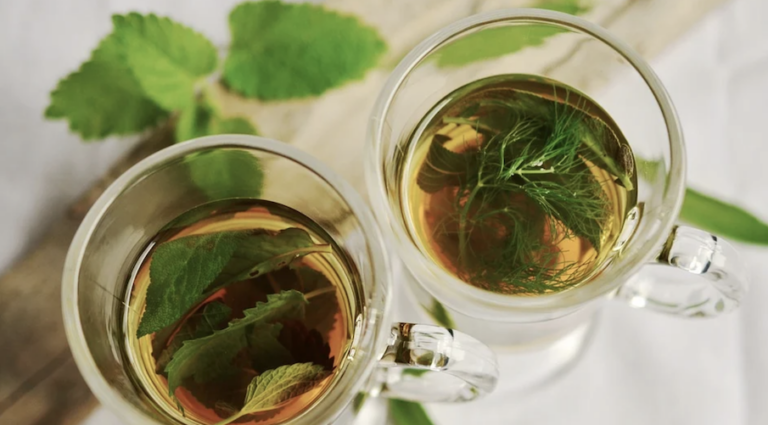
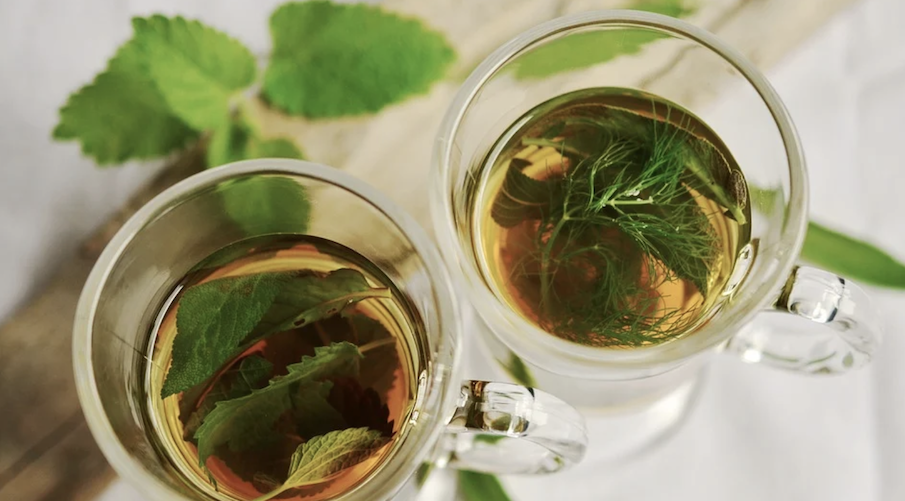
Winter is time for hot beverages, hot dishes, and beautiful afternoons.
To enjoy your winters, you must take care of your health. Many herbs available in our surroundings help you in this process.
The herbs have many beautiful blessings. You can use them in many ways.
This guide will talk about seven amazing herbs that will help you to fight the winter colds. Let’s learn about these herbs, their uses, benefits, and many more exciting things about them.
Top 7 Herbs for Winters:
1. Turmeric.
The first one on our list is turmeric.
It is readily available, and I am sure we all find this in our kitchen.
Turmeric is a highly recommended herb to fight winters. All the benefits that it gives a person are incredible.
Turmeric is applicable in boosting immunity.
We can consume turmeric in many ways. The most recommended way of consuming turmeric is by making a turmeric latte
It’s an easy process, and anyone can make it. The nutrients existing in turmeric have anti allergic properties.
It is well researched that turmeric increases mucus production, which helps to clog out the harmful microbes present in your respiratory tract.
Turmeric also contains anti viral and anti bacterial properties. It’s a well known fact that the possibilities of viral and bacterial illnesses increases.
By consuming turmeric, you will be able to avoid these unfavorable circumstances.
2. Rosemary.
The herb was talked about before and has anti bacterial and anti viral properties.
This incredible herb is called Rosemary and has the potential to regulate body temperature.
It keeps your body warm during winters. It offers great relief to people with asthma.
It contains a chemical called rosmarinic acid.
This acid has antioxidative and anti inflammatory properties.
This herb is consumed quickly in the form of salads, or you can garnish your dishes with the aromatic Rosemary.
By adding dried fresh Rosemary to your diet, you boost the immune system of your entire family.
Dandruff is quite a common problem that arises during the winters.
Rosemary oil is helpful if you are suffering from this problem.
Obtained from a plant called Mitragyna speciosa, kratom is very effective in winter.
It is exceptionally applicable in cases of cough, cold depression, and anxiety. It helps you regulate your body temperature.
The kratom also keeps you energetic. It increases your creativity as well and comes in different strains. It is capable of helping you increase concentration.
In winter, it helps you to stay energetic all day long. Also, the active compounds present in the kratom give so many additional benefits to your body.
You can chew its leaves or drink tea to elevate mood and endurance.
4. Basil.
Basil is one of the ancient herbs that humanity still remembers.
The leaves of basil are enriched with volatile oil. This oil is known for its enormous medicinal properties. It is beneficial for digestion.
It’s common that in winter, we find it harder to fall asleep sometimes. Basil is capable of curing headaches and insomnia. Its leaves are rich in eugenol, which ensures anti inflammatory action in the digestive tract.
It furthermore helps to maintain the proper PH inside your body.
These are some of the reasons why you should sip basil tea every day.
5. Ginger.
You may see your grandmother adding ginger to your tea in winter. Do you know why?
Because of the extraordinary benefits, it gives in winter.
Ginger helps treat nausea. It possesses anti inflammatory properties.
It also aids in regulating the body’s temperature and helps to keep you warm during the winter season.
We can use it in several forms but it’s mostly used as an essential oil. Ginger has a warm, spicy scent.
Dry skin is a big problem in winter. It helps to keep your body nourished. Also, it prevents wrinkles and acne.
6. Coriander.
It is the most common herb we always see in our house.
It is mainly used for garnishing food. But did you think about its benefits? Is it only helpful for garnishing? Not at all.
Coriander is an extraordinary aromatic. It is beneficial for your health. In winter, the amount of bad cholesterol increases inside our bodies.
Coriander helps to decrease the bad cholesterol and increase the good cholesterol. It helps to lower your blood sugar level as well.
This extraordinary herb also has anti bacterial and anti fungal properties.
7. Dandelion.
Dandelion is a fantastic herb.
It is considered a mild natural diuretic.
In the winter season, we generally face issues like poor digestion, high blood pressure. Dandelion leaves are effective in these situations.
It helps to treat liver disorders as well.
Dandelion roots may be able to improve gastrointestinal disturbances, liver and bladder problems.
Every part of the dandelion has its usefulness. The leaves, roots, stems, and flowers of dandelion are therapeutic.
You can consume it in numerous ways. You can prepare it as tea, vinegar, tincture, and honey.
What You Should Remember?
All the herbs have outstanding properties.
These power herbs help you to be full of energy all the time.
They are immune boosting. They are beneficial for many medical purposes.
They help to keep the body warm in winters. Also, they help balance cholesterol levels and PH levels in your body.
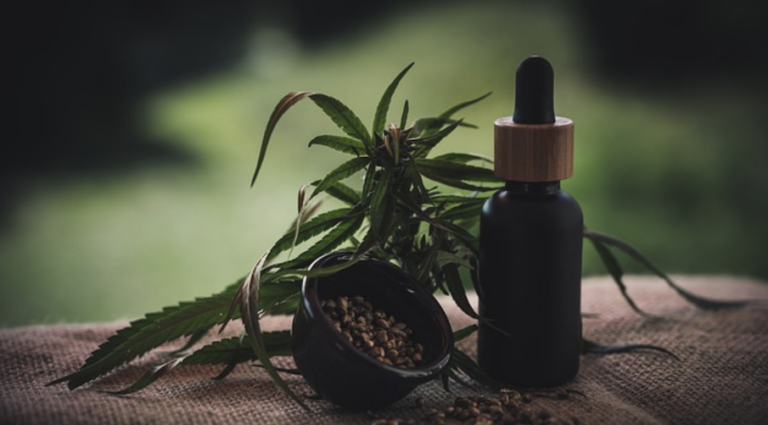
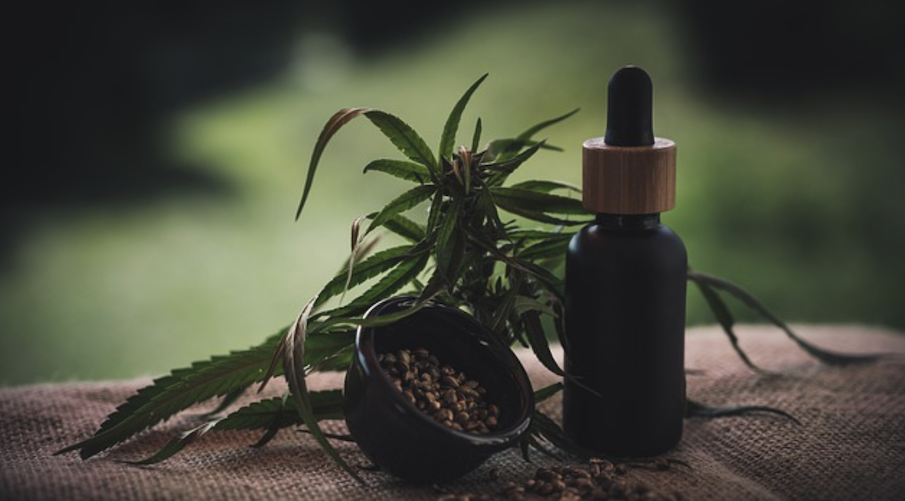
CBD, also known as cannabidiol oil, comes from the Cannabis sativa plant, or better known as the marijuana plant.
After removing tetrahydrocannabinol, or better known as the THC, and terpenes, CBD sleep oil has simply CBD as the active component.
However, it doesn’t have the same psychoactive traits as marijuana. Still, it works as a sedative and hallucinogen, making it an excellent treatment for pain and other health problems without experiencing the mind altering effects of marijuana or specific pharmaceutical medications.
The oil is created by diluting CBD extract from the cannabis plant with a carrier oil such as coconut or hemp seed oil.
CBD is gaining popularity in the health sciences due to its therapeutic benefits in treating chronic pain and anxiety.
We will look at some of the medical conditions where CBD has already proven to be beneficial. But before we do, keep in mind that:
We do not advise or promote the usage of CBD in any type or form. We are just sharing information that some readers might find helpful. It’s always the smartest decision to consult with your doctor before making an important decision for your health.
The 6 Most Known Benefits of CBD Oil:
1. Epilepsy.
The FDA authorized Epidiolex, a plant based CBD formulation, to treat seizures in children and adults with Dravet syndrome or Lennox Gastaut syndrome, LGS, these are two different types of epilepsy.
CBD also has various kinds of treatment for resistant epilepsy, usually in conjunction with standard epileptic drugs.
CBD interacts with other epileptic drugs, and severe specific side effects have been documented, including a decline in liver function in those who are also taking valproate.
Therefore, CBD can help with epilepsy treatment in some cases.
2. Pain.
CBD has anti inflammatory properties, and it reduces pain by acting on the endocannabinoid and pain sensing systems. Unfortunately, few human trials have been conducted to examine the efficacy of CBD as a single pain relieving drug, with the majority of research mixing CBD and THC.
Notably, Health Canada has approved medicines that combine THC and CBD in a 1:1 ratio to treat central nerve related pain in multiple sclerosis and cancer that has not responded to optimum opioid therapy.
Observational research of CBD treatment found a statistically significant improvement in self reported quality of life measures for those with non cancer related pain.
But no statistically significant improvement has been found in those with cancer related pain or neurological symptoms.
According to a case study, combining CBD with THC reduced pain and muscle spasms in 47 people with multiple sclerosis.
According to some research, both animal and human, CBD has anti inflammatory properties, reducing pain through this mechanism.
It would be best to consult the doctor before using CBD to take other drugs for heart problems or immunosuppressants. Thus, CBD may aid with pain alleviation. However, no high quality human trials are available to support this claim.
According to animal research, topical CBD treatments reduce pain and inflammation linked with arthritis in animals with few adverse effects.
Since CBD is poorly absorbed when taken orally and might cause gastrointestinal problems, it works best as a topical supplement.
CBD topically applied to the skin may be beneficial in the treatment of arthritis. There are, however, no high quality human studies to support this claim.
3. Anxiety.
In 57 healthy males who underwent a simulated public speaking test, pretreatment with 300mg CBD significantly reduced anxiety.
However, doses of 150mg CBD and 600mg CBD did not affect the participant’s anxiety levels.
CBD worked effectively for anxiety in 21 out of 400 people in observational research.
Anxiety levels reduced in a large case series of 72 patients, with 57 patients, or around 79.2%, reporting reduced ratings within the first month of CBD treatment.
CBD may help with anxiety before public speaking or other activities.
The ideal dose, however, is uncertain.
4. Depressed mood.
CBD has been shown to aid with depression in animal studies, owing to its potent anti stress effect after acute or recurring dosing.
CBD also has a positive effect on serotonin levels in the brain and serotonin. Serotonin deficiency plays a function in both mood and pain. Thus, CBD may be effective in the treatment of depression, but additional research is needed.
5. Disruptions in sleep.
CBD helped improve sleep for 31% of patients taking it for reasons other than cancer, such as anxiety and pain. In a large case series of 72 participants, 48 or 66.7 percent, reported improved sleep ratings during the first month.
However, these varied across time.
CBD appeared to sustain sleep cycle in other trials using 300 mg of CBD in persons with anxiety or depression. This indicates that it was unlikely to have any negative impacts on sleep quality.
CBD appears not to affect sleep and may even help people sleep better.
6. Acne.
According to a laboratory study, CBD suppressed the generation of excessive sebum by human sebocytes.
It had an anti inflammatory effect, preventing the activation of inflammatory cytokines.
Since acne is caused by excessive sebum and inflammation, topical CBD may be an effective treatment and prevent or minimize future breakouts.
Topical CBD may help with acne related inflammation.
It can help with excessive sebum production.
However, additional research is needed.
What You Should Remember?
There is still a lot to learn about CBD oil, and Dr. Ring is continuously looking for answers.
She recently completed a preliminary investigation into CBD oil.
“I believe that at this time, both professionals and patients are unsure about which product to use or how often to use it,” she says. “I believe that knowing the answers to such questions will be beneficial.”
Since CBD oil can interfere with other medications you may be taking, it’s necessary to speak with your doctor before starting to take it.
Dr. Ring also recommends reading labels and purchasing high quality items. Due to the lack of regulation, anything posted on the internet can be readily tampered with, and quality can vary greatly.
“Read the reviews to make sure it’s been tested, the ingredients are authentic, and there are no contaminants,” she adds.
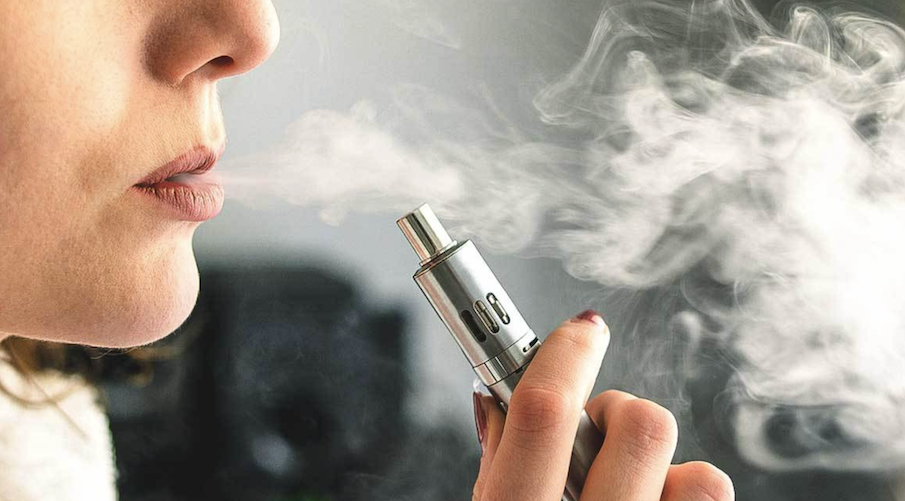
Vaping CBD is the easiest way to get this helpful substance into your system.
Vaping provides easy and fast relief for many people with chronic pain or other CBD treated illnesses.
For novice vapers, though, getting started may be a difficult job.
For novice vapers, though, getting started may be a difficult job.
Many retailers take advantage of inexperienced vapers.
Newcomers sometimes purchase expensive equipment, or even worse, a hazardous or counterfeit item.
It’s necessary to have some knowledge of vaping and the parts involved before making your first purchase.
Several individuals have begun to utilize cannabidiol, CBD, products due to their legalization in many countries.
CBD is handy in a variety of ways, including CBD vape oil.
What is CBD?
Cannabidiol is the abbreviation for cannabidiol.
CBD is a chemical known as a ‘cannabinoid,’ coming from the hemp plant, a Cannabis variation, but it won’t make you high!
CBD does not induce any psychoactive effects, even though it originates from a plant that connects with a state of trance.
These responses get triggered by a distinct cannabinoid, THC.
CBD extract comes in a variety of forms that are handy in CBD products.
Other cannabinoids, such as CBG or CBC, or even minor quantities of THC, or terpenes, which are essential oils found in plants that generate smells, flavors, and might give medicinal advantages, may be present in the extract.
What is Vaping?
An electronic cigarette is a gadget that mimics the act of smoking.
A tiny power source, such as a cell or battery, an atomizer, and an enclosed container, such as an oil filled cartridge or tank, make up an E cigarette.
CBD is the trend these days, and it’s accessible to everyone.
The curiosity will force you to ask if CBD can be a part of your vaping kit.
The simple answer is that CBD can be a necessary piece of the kit.
To do so safely, you’ll require personalized equipment as well as the specific type of CBD vape juice.
Always get them from a reliable company such as CBDfx.
The rest of the article underneath will tell you a lot about how to vape in the United States of America or not. It will also venture into the legality of vaping in the country.
3 CBD Vaping’s Advantages:
Because of its several medicinal advantages, the hemp business has expanded in past years.
Many personal accounts and scientific research claim that CBD helps with anxiety, sleeplessness, pain, inflammation, and epilepsy, among other mental and physical health issues.
The advantages of CBD may come through many means like consuming it, ingesting it under the tongue, applying it to the skin and muscles, and more.
Vaping, on the other hand, gives a soothing and great experience.
1. Vaping CBD makes the process quicker.
It’s necessary to know about vaping and the components involved before making your first purchase.
It is because CBD enters your circulation through your lungs rather than your digestive system.
CBD vape oil’s medicinal effects are quick or within a few minutes.
Because of its absorption rate, vape oil is a suitable choice for those who suffer anxiety episodes, short term tension, or pain flare ups.
2. It contains less ingredients, more quality.
The CBD products in the market have other organic substances to improve the health of an individual, but others prefer to stick to CBD alone.
In vape oils, CBD is generally present in its purest form. A good CBD vape oil will contain a small number of ingredients.
Most include 100 percent CBD extract, as well as vegetable glycerin and propylene glycol. These two ingredients work together to bind the vape oil and produce the clouds required in vaping.
A flavor component may include pure CBD extract. Vaping CBD is one of the best alternatives if you want a clean and potent supplement with fewer extra ingredients.
3. It’s customized.
CBD gummies and pills, for example, include a premeasured dosage of CBD.
CBD vape oil gives you another alternative for controlling the quantity of your dose.
One can decide how much vape oil to add.
One can also control the quantity of the fumes they ingest with a few easy calculations.
Is it Legal to purchase a CBD Vape Oil kit in the US?
The recent Farm Bill enacted stringent legislation, altering the legal status of several CBD and hemp products.
Hemp products can now be health goods, according to new rules.
CBD hemp products must contain no more than 0.3 percent CBD, according to the 2018 Farm Bill.
Anything with a concentration of more than 0.3 percent CBD can’t market as a CBD hemp product.
They come under a blanket ban in the United States of America.
Most of the states have criminal laws against sellers.
The 2018 Farm Bill, at its heart, should make concerns around CBD oil vape pens and other CBD products easier to understand.
However, each state can enact its own rules regarding CBD and cannabis products, so legal items in one form may be illegal in another.
You may use CBD vape pens regardless of their THC concentration in places like California and Colorado, where it is allowed to consume cannabis products for both recreational and medical uses.
However, vape pens come under a complete ban in San Francisco.
In other jurisdictions, like Texas and New York, paying great attention to the vape goods you buy is mandatory.
What You Should Remember?
CBD usage formulates by laws and regulations specific to each nation, state, and province.
The Food and Drug Association does not approve CBD for medicinal use, it remains a Schedule I substance.
The art of smoking has altered as a result of technological advancements.
For starters, you can now invest in a high quality vape pen, which is handy because all you have to do is charge it.
After that, you may fill it with CBD and enjoy the potential advantages of smoking.
Quality sleep, heart health, and pain relieving effects are just a few of the potential health advantages of vaping CBD.
It’s important to remember that CBD isn’t a medicine.
As a result, it’s critical to follow the following medical advice for the best health results.
CBD can be a part of your wellness routine and change your lifestyle.
Keep in mind that we do not advise or promote the usage of CBD in any type or form. We are just sharing information that some readers might find helpful. It’s always the smartest decision to consult with your doctor before making an important decision for your health.
It relieves fatigue and promotes a sense of relaxation.
It also acts as a muscle relaxant and prepares you to meet the day actively.
4. It induces better sleep.
Our sleep wake cycle can get hampered due to various underlying disorders or when one is under certain medications.
Kratom ingestion can improve the production of serotonin and melatonin, the neurotransmitters responsible for inducing sleep and improving sleep quality.
It can also help treat sleep disorders like insomnia.
5. It improves brain function.
Kratom has shown impressive potential in improving cognitive function.
It helps improve your concentration and allows you to stay more focused on your work.
It keeps you alert and improves your productivity.
It keeps your mind to be sharper.
4 Reasons Why to Buy Kratom in Wholesale:
Several anecdotal evidence and a few ongoing researches have indicated that Kratom can have several health benefits.
Thus, more and more people are incorporating Kratom supplements into their daily health regime. If you are one of them, some people might recommend buying Kratom wholesale.
Let’s find out whether there is any benefit in buying Kratom supplements in bulk.
1. It is a cost effective option.
Buying Kratom supplements in bulk might feel like a considerable investment.
Despite that, it is a great way to save money in the long run.
You will be able to avoid sudden rises in the cost.
Buying in small batches will cost you more, and you would have to spend separate shipping charges.
Whereas wholesale products cost much less.
You might be able to enjoy free shipping on a large order.
2. You will get better discounts and offers.
When you order in a large quantity from a brand, you become eligible for various loyalty benefits and discount coupons.
You may get several freebies too.
Moreover, buying wholesale enables you to get insider information about the brand and its products.
You can also join their exclusive member clubs.
3. You can stay stress free.
Buying Kratom in bulk means you would not have to think about refilling your stock for a long time.
Some brand websites also allow you to set reminders when you feel you need your next batch of kratom supplements.
4. You can be assured of the quality.
When you buy Kratom supplements in bulk, you will be getting a batch of products that are manufactured from Kratom leaves harvested at one session.
Thus, you will be getting the same quality of product throughout.
You can be assured that all the product units of the batch have gone through the same type of lab tests and quality checks.
6 Things You Should Know While Buying Kratom in Wholesale:
1. Choose a Reliable Kratom Vendor.
Before making a big purchase, make sure that you choose a trustworthy and reputable Kratom brand.
Make sure the company is credible by checking its clearances and licenses.
2. Look for Lab Reports.
Most reliable Kratom brands get their products tested by independent or third party laboratories.
The lab reports are often published on the brand’s online website.
Make sure you check the reports to analyze the quality, efficacy, and contaminants before making a large purchase from the brand.
3. Consider the Price Range.
Various Kratom brands offer supplements at different price ranges.
They also offer a variety of discount coupons and loyalty benefits.
A costly Kratom supplement does not mean it is of superior quality.
Similarly, cheaper products are not always of inferior quality. When making a purchase, make sure to compare the different price ranges to pick the best one.
4. Make Sure The Products Come in Proper Packaging.
Kratom powder is sensitive to environmental changes.
Exposure to heat, moisture, and microbes can spoil its integrity and render it ineffective.
When you buy Kratom supplements in bulk, you are trying to store them for a long time. Thus, make sure the brand delivers its products in airtight, leak proof, microbe resistant packaging so that Kratom stays fresh for a long time.
5. Look for Customer Reviews.
Customer reviews can be very beneficial while you are shopping online.
Testimonials left by previous consumers give you a better idea about the quality of the product, the reliability of the brand, and the promptness of its customer service. Thus, while shopping for wholesale Kratom, make sure to check out the different social media platforms or the brand’s testimonial page.
6. Check the Customer Support Policy.
When you spend a huge chunk of money buying Kratom supplements in bulk from a particular brand, responsive customer care is a must. Make sure the company offers prompt customer care service and has a good refund policy in case things go wrong.
What You Should Remember?
We strongly advise to first consult with your doctor before making any decision for your health.
But no matter why you exercise, you are most likely not getting the most you can get out of your workouts.
Read on for some useful tips.
6 Smart Tips for Getting More from Workouts:
1. Follow a Training Plan.
Working out randomly when you feel like it will not generate impressive results.
While it’s okay to do a short run from time to time, or lift weights in the garage once in a while, if you want to see gains, this isn’t the way to do it.
For best results, have a training plan and stick to it. This applies whether you are trying to build muscle or earn a new PB in a 10k race in three months.
There are loads of training plans online if you are working towards a race such as a marathon.
If you can’t find anything that suits your goals or fitness level, contact a personal trainer and ask them to devise a personalized plan just for you. It won’t be as expensive as you think.
2. Be Consistent.
Consistency is crucial. A haphazard approach won’t work if you want results.
Have a weekly planner where you record your workout sessions and stick to them.
If work is busy and you are stressed, instead of ditching a hard workout, do a recovery workout instead, or hit the pool.
It’s better than lazing on the couch with a pizza and six pack.
3. Eat a Healthy Diet.
Eating a poor diet will hinder your workouts in numerous ways.
Your body is an engine and it needs the right fuel for maximum performance.
Make sure you eat a good balance of protein, carbs, and healthy fats.
A small calorie deficit is okay if weight loss is your goal, but not eating enough will harm your performance, especially if you are trying to build muscle.
4. Try Sports Supplements.
Sports supplements can make a big difference.
There are lots of them on the market, so choose one that suits your workout goals.
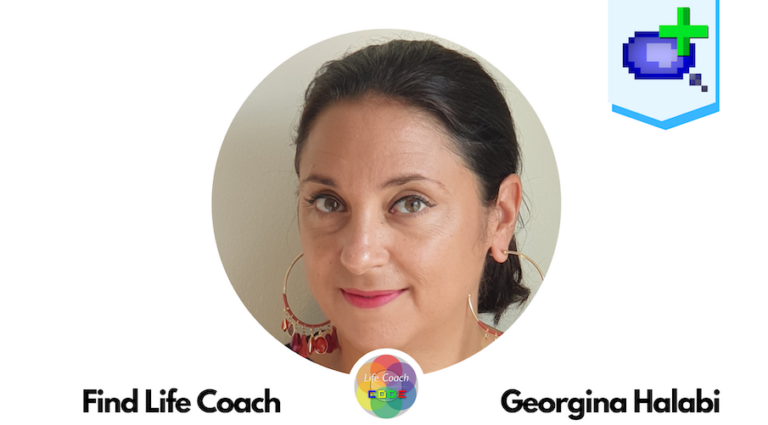
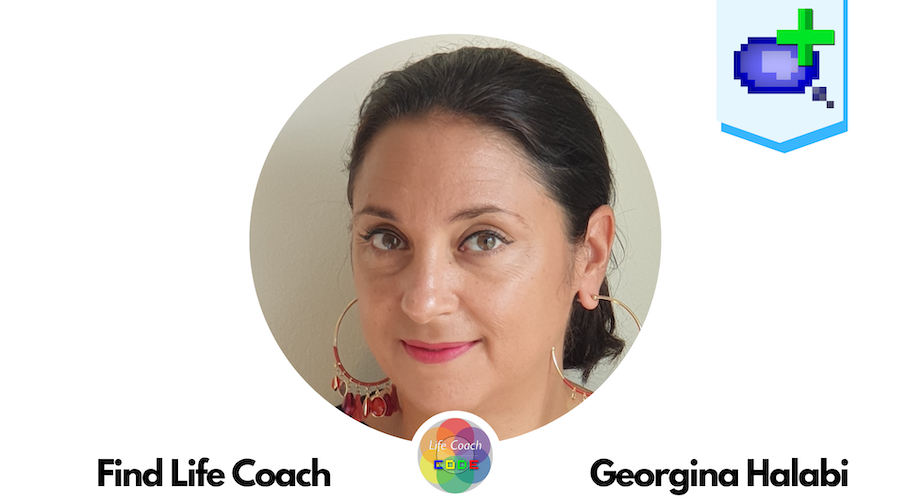
Georgina Halabi is one of the coaches we found and we did a little interview with her. She impressed us with her “playing big” mindset. But she is not a regular coach, this is her purpose in life. And when she dives into her powers, oh boy. Here is what she said.
Meet Life Coach Georgina Halabi:
Name: Georgina Halabi Pillar: The Mind Who is this coach for: Anyone who wants to overcome doubt, maximize their performance, get in flow and connect with their greatness. How they can help: By resolving and aligning conflicting internal tensions that hinder personal and professional growth, and establishing self connection and trust.
First of all, how are you and your family doing in these Pandemic times?
Very well. We found that lockdown was a wonderful opportunity to indulge in our inner introverts, whilst spending quality family time together.
I used it as a chance to let go of my day job, dive into my coaching career and embark on a strenuous path of self exploration and growth.
We moved from Singapore in July of this year, put our kids into new schools and my oldest daughter promptly caught covid.
Thankfully she had very few symptoms, and surprisingly, loved being in isolation for a week. As a teenager with ADD, suddenly all the social and performance pressure was off, and she had time to just relax and be.
How does the coronavirus pandemic affect your clients? Did it affect you at all?
Some of my clients were laid off, or put on furlough.
Others had careers that were well suited and managed the turbulence easily.
Most of them accepted the new reality of working from home, although peace of mind was often an issue during lock down, managing kids, workload and lots of other stresses that came with the uncertainty and fear.
Luckily a lot of my work involves creating the headspace needed for optimal performance and wellbeing, so it was timely and relevant.
Everybody suddenly took to zoom, instead of meeting face to face, which allowed me to take on clients from all over the world including Australia, Asia, South America and Europe.
The pandemic actually helped my business. I left behind a day job with a monthly pay check, and threw myself into coaching full time and never looked back.
I made the time to hire a coach and do the inner work needed to counter my beliefs and assumptions that I couldn’t charge full rates when people were being laid off.
I leaned into, and busted through my own money blocks and ended up hitting my financial targets with ease. This was something I also worked through with my clients, and their own beliefs about circumstantial limitations.
What are the biggest lessons that you learned in this pandemic?
That good things can come out of bad things.
The pandemic changed my life and I will look back on it as a time of growth.
I hired a coach, and did the work. I am amazed at how far my business has come as a result.
Oh and how much coaching works?
It’s amazing to have the privilege of doing this work.
The Origin:
Tell us about you, your career, how you started with your coaching career?
I was in a board meeting about 3 years ago when I felt myself float out my body and ask myself “what am I doing here? I’m not saving lives, or helping anyone, why am I in this job?”
As soon as I had the thought, I knew I had to make a move in my career.
So, I booked a coffee with my friend Avalyn Lim, Coach and “career adventurist”, and asked her to share her own journey of transitioning careers.
When she told me about coaching, I remember thinking “really? You can make money doing this? I’ve been doing this my whole life!”
Within a week, I’d registered in coaching school, studying alongside my day job until the pandemic hit. By this time, I already had a few clients and knew that coaching was 100% for me.
I told my day job that I was stepping down but was happy to coach the company instead. They took me up on my offer on a part time basis, whilst I focussed on growing my business.
What was your biggest obstacle that you had to overcome in your life that made you who you are today?
This is something that I don’t normally share as it’s quite “woo woo”, and many of my clients are very rational.
I have always had a very strong sense of intuition and clairesentience, and feel honored to have seen inside quite a few people’s minds and souls over the course of my life.
I believe this capability is channelled, it’s a universal energy, and is accessible when I’m truly aligned and connected with myself.
About 18 years ago, before I moved from the UK to Singapore, a work colleague asked me to volunteer for hypnosis as part of her credentialling practice.
We did a past life regression and what I experienced scared the pants off me.
I re lived a past life traumatic event, and felt a flood of rage erupt from my solar plexus. My colleague didn’t have the training at this stage to resolve or integrate the trauma, and so I was left with a very deep fear of my own powers and a fear of anger in general.
This promptly shut down my ability to access my vibes. I felt disconnected and lost.
I’ve been on my own journey to get back to that beautiful feeling of trust in the universe that I used to take for granted, and to “reconnect” with myself, knowing this is the first and only place where meaningful work can be done.
This is my “why”, my purpose.
I help people who feel their own sense of separation and doubt, to build up that self connection and trust again. I help them tap into their inner wisdom and greatness.
The Coaching Style:
How do you innovate with coaching your clients?
One of my core beliefs is “I don’t have to be original. I can be myself, and that’s enough” as I have a tendency towards hyper achievement and the need to “perform.”
A lot of my inner work has been getting out of my own head so I can powerfully serve without putting myself in the picture.
I take a moment before each coaching session to mentally step into my “higher self” and I also get my clients to agree to this too.
This means we both have to show up from a space of non judgmental awareness, with a more expansive perspective that allows for exploration, creativity and possibility. No playing small!
When we’re in this frame of mind, innovation and creativity comes naturally. It’s being in the moment and open to all possibilities.
What’s unique about your coaching approach?
My own life journey has allowed me to synthesize the logical and the intuitive, using a whole brain approach to help my clients.
Left brain: I have 25 years of commercial, creative and strategic expertise, plus a deep understanding of the workings of the mind. I’m a life long meditator, I’ve studied the foundations of buddhism up to the level of a novice monk, and I am passionate about neuroscience.
Right brain: meditation, visualization, manifestation, NLP have always been tools that I have used as part of my own practice, even before becoming a coach. For example, I used self hypnosis when having my 2 daughters, and goal visualization throughout my career.
What benefits do your clients get after working with you?
The main goal is around maintaining outer success and inner peace.
There are 3 main benefits and outcomes we work to achieve:
1. Headspace, a feeling of calm, confident presence even through the most challenging times.
2. Clarity and prioritized focus, the ability to channel their time and energy more effectively and purposefully.
3. Peak performance and flow.
Do you use any specific tools to be efficient with your clients?
I have so many tools that I have integrated over the course of my life.. where to begin?
I find NLP incredibly impactful, and that Positive Intelligence is amazing for helping people understand their own self talk and step into their Sage selves.
It’s so in line with the work that I do, that I’m doing my accreditation to become a Positive Intelligence coach at the moment.
The Impact:
If you had a super megaphone that, when you speak into, the whole world will hear your message, what would you say?
Don’t believe your own stories, you are enough!
You have everything you need within you!
What is the greatest lesson you have learned in your life?
Not to believe our own narratives!
Half the time, it’s our ego trying to protect ourselves.
And the fear of suffering is often worse than the suffering itself.
Also, if in doubt about anything, go within, you’ll have all the answers you need.
Your final thoughts?
Stop doing, and start being!
Sometimes it’s easy to get caught up in all the activity of building a coaching business, that it becomes frantic, exhausting and overwhelming.
We serve better when we take the time to care for ourselves, and do the self reflective work that helps us truly serve our clients from a more authentically informed space. That means taking time for ourselves and prioritizing this.
Where Can You Find Georgina Halabi?
If you liked this interview and you would love to get to know more about her work make sure to go on her website and you will learn everything you want to know about this wonderful human. You can also check her video.
You can always sense when the coach is truly dedicated to their work. This is definitely the case. It was an honor having this interview with her.
Wherever you go and whatever you read, you’re likely to come across adverts and directions for living a healthier lifestyle.
Whether it’s adverts for a gym membership or a new supplement designed to boost your immune system, or even a whole new type of diet, you can’t escape the advice about healthy living.
Unfortunately, a lot of the advice is either not backed up by science, or it’s simply not attainable for the average person on an average income.
This doesn’t mean there aren’t ways you can be healthier, though, there are lots of easy ways you can make a positive impact on your health, and you don’t need to drastically change your life or break the bank to do so.
Here are three easy ways you can live a healthier life, all of which are backed by science, and you can start doing today.
3 Ways to Live a Healthier Life:
1. Limit alcohol, caffeine, and salt intake.
Lots of people enjoy a drink after work at the weekend, but too often, the recommended alcohol consumption limit is exceeded.
If you regularly drink more than 14 units of alcohol per week over the course of 10 or 20 years, you are at a higher risk of developing a range of illnesses, including:
Cancer, Liver disease, Brain damage, Heart disease, Mental health issues.
All of these diseases can be fatal and greatly diminish your quality of life, not to mention the side effects of some of the treatments such as chemotherapy. More information is available here.
It’s not just alcohol that can cause some of these problems, though.
Too much caffeine, more than four cups per day, can cause insomnia, nervousness, oral health issues, and digestive problems.
On top of this, if you regularly ingest more than six grams of salt daily, your risk of developing heart disease or having a stroke is increased.
2. Exercise three hours a week.
Exercise is unique to each person, yet we’re frequently told that we must do one hour of moderate exercise per day to remain healthy and active.
This isn’t necessarily the case, and this type of advice can make those unable to do such exercise feel inferior.
Exercise should be something you enjoy, and any is better than none.
If you don’t have the time to go to the gym, can’t engage in such workouts, or simply don’t enjoy it, don’t worry.
Even if you only go out for three hour long walks a week or do six 30 minute HIIT workouts a week, anything is better than nothing and you’ll still enjoy the mental benefits of increased serotonin, not to mention the physical benefits of getting up and being active.
3. Implement a rigid bedtime routine.
It’s not just children who need a good bedtime, it’s adults, too.
By going to bed at a certain time and ensuring you’re regularly getting between six and eight hours sleep a night, you are reducing your risk of a disrupted immune system, diabetes, depression, heart disease, and infertility.
With this in mind, consider implementing a proper bedtime routine free of light, noise, and blue light right before you settle down.
Other things you may want to consider include socializing with positive people regularly, doing good deeds, and taking enough time for yourself to fully rest and recover from the week.