If you are feeling low, your oral health might be suffering. It’s because people suffering from depression and anxiety may have to deal with deteriorating oral health.
Furthermore, the Centers for Disease Control and Prevention estimates that, in their lifespan, 50 percent of Americans will find themselves affected by some behavioral health problem.
Additionally, in 2016, more than 45 million adults in the US were found to be living with mental illness, of which 10 million had to deal with critical mental health illnesses.
With statistics like these, taking care of dental visits and oral health concerns can significantly improve mental health, hence the vitality of a person dealing with similar issues.
In this article, we’ll help you find ways to deal with both problems in the most effective way. Let’s get started with answering these questions.
How a Dentist Can Help?
You’d be surprised to know that a dentist will help you in dealing with your dental issues and mental health issues such as depression and anxiety.
So, if you have been avoiding a visit to the dentist, maybe it’s time you make an appointment.
In case you don’t want to go far looking for a dentist, search the internet for “dentist near me” and book an appointment with the dentist nearest to your home.
During the visit, make sure you tell the dentist about your symptoms and your medication for your mental health problems.
This will help your dentist provide you with the proper medicines for your dental health issues.
As a result, you get to improve your oral health while dealing with a dental phobia at the same time.
Additionally, you’ll start feeling good about yourself when you have improved dental health.
You get more reasons to stay happy and smiling with more excellent oral hygiene.
However, this is not all, keep reading and find.
3. Easy To Follow Tips to Improve Your Oral Health With Your Mental Health:
1. Brush and Floss Twice Every Day.
This is the most basic practice you can perform for oral care.
Not only will it make your teeth look clean, but it will also lead to improved confidence.
2. Instead of Consuming Sugary Treats, Start Eating an Apple After a Meal.
An apple is just as sweet as sugar rich candy or a piece of chocolate that you like to eat after every meal you take.
However, an apple doesn’t have all the extra sugar running your oral health.
Additionally, eating apples will help you maintain a healthy and well balanced diet, which will help you stay fit and make your mind and body feel a lot better.
3. Keep Mints and Gums With You.
Most of these items contain xylitol.
It’s a natural sweetener that encourages saliva production in your mouth, further preventing cavities and plaque formation in your mouth.
Chewing them after your meals will give you a fresh breath that will boost your confidence while working or preparing for a night out with your friends.
What You Should Remember?
Your dental health plays a crucial role in improving the state of your mind.
It makes you feel more confident and ready to deal with the everyday challenges of your life.
Make sure you take good care of your oral hygiene when the goal is to feel happier and healthier.
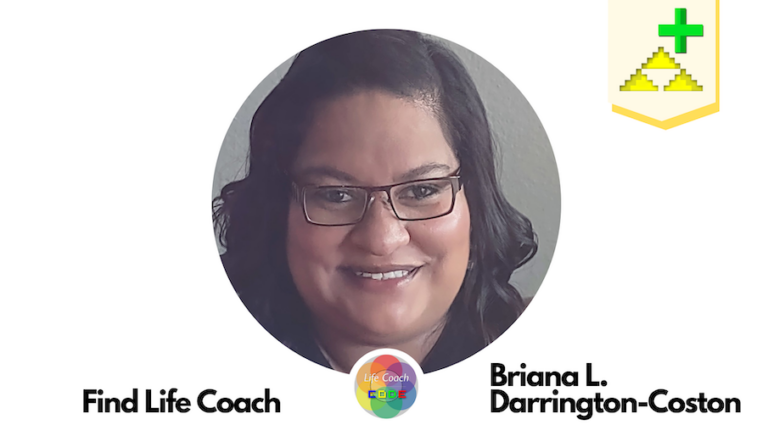
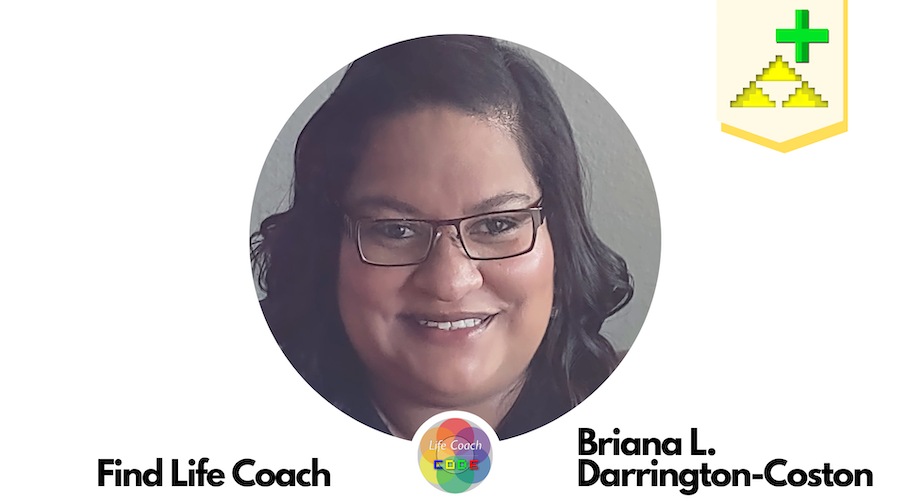
Briana L. Darrington-Coston is one of the coaches we found and we did a little interview with her. She impressed us with her unique approach to coaching. She is the founder of Synapses TBI Life Coaching. Her way of delivering results to her clients is accompanied by a strong sense of accountability and support. Here is what she said.
Meet Life Coach Briana L. Darrington-Coston:
Name: Briana L. Darrington-Coston Pillar: The Spirit Who is this coach for: For people who suffered a brain injury and want to renew their purpose, find a sense of confidence, peace of mind, and reconnect with the truth in their hearts. How they can help: By using personalized sessions powered by Synapses TBI.
First of all, how are you and your family doing in these Pandemic times?
Thank you for asking. My family and I are doing well and are continuing to follow guidance from the CDC in addition to local recommendations to decrease the spread of the coronavirus.
How does the coronavirus pandemic affect your clients? Did it affect you at all?
When the coronavirus hit, it felt as though someone had pressed the “pause’ button and everything slowed down.
Like the rest of us, my clients were worried about their loved ones, frustrated about being cooped up in their homes for extended periods of time and experienced changes within themselves.
Some developed new hobbies and found ways to remain occupied in their environment while others relied on counseling services to work through feelings of depression and mental health.
For me, the pandemic was a time of introspection and in the midst of uncertainty, I focused on activities to keep my brain healthy while taking time to appreciate things that I had overlooked.
I increased my level of fitness and meditation to keep a steady flow of endorphins coming to keep my mood positive so that when I worked with my clients they did not see fear, but joy.
When discussing updates about the pandemic with my clients, we discussed it in ways that allowed them to process their feelings while focusing on the future with anticipation of better days to come.
Most of my clients are medically compromised individuals and keeping them safe was priority #1. For this purpose, services were completed via Telehealth in an effort to maintain their daily routine, and together we found creative ways to bring the world to the laptop screen we were now sharing.
Now that we can meet in person, guidelines from the CDC continue to be observed for safety.
What are the biggest lessons that you learned in this pandemic?
The biggest lesson I learned from the pandemic is to stop waiting for “some day” to do what brings you joy.
Nothing will ever be perfectly planned because, by nature, we are imperfect people.
The time we lose waiting to achieve this type of perfection takes precious moments we won’t get back.
The 2nd lesson I learned from this pandemic is to not be afraid to open a door to new possibilities.
Sometimes, things work out in different ways than we believed they would and we miss opportunities because they came in a form we didn’t recognize.
The Origin:
Tell us about you, your career, how you started with your coaching career?
I’m a Certified Brain Injury Specialist through the Brain Injury Association of America, a Certified Life Coach through the Life Coach Training Institute located in San Diego, a Master Mindfulness Practitioner from the Academy of Modern Applied Psychology, and the owner and founder of Synapses TBI Life Coaching.
The idea of starting a Life Coaching company based on helping people living with brain injuries was inspired by the families struggling to find resources for their loved ones after leaving a post acute facility.
For rehabilitation programs covered by insurance, time can be limited due to a variety of factors and after they return home, it can be overwhelming to know where to start.
Synapses TBI helps connect families with local resources in the area while helping to establish a structured routine.
What was your biggest obstacle that you had to overcome in your life that made you who you are today?
It’s hard to pinpoint one specific obstacle that made me who I am today because I am an accumulation of all of my life experiences.
I believe that all experiences come with lessons that can either hinder or help you in the future.
The determination I had then and continue to feel today drives me and pushes me out of my comfort zone which has opened doors I could never have imagined.
The Coaching Style:
How do you innovate with coaching your clients?
The coaching relationship is unique in the sense that it’s a collaborative effort between two people working together for a common goal.
The innovation that comes as a result of establishing trust and accountability is driven by the client which empowers them to trust themselves while having support and accountability through coaching.
What’s unique about your coaching approach?
I believe my coaching approach is unique because I connect with clients on a personal, almost empathic level.
While I have a website and social media page to share about Synapses TBI, all of my clients are referral based and my business has grown based on the satisfaction of others who were happy with their results.
Everything that is offered and provided through Synapses TBI has my personal time, effort, and vision driving it forward.
There is nothing that I don’t sign off on, create or research to ensure only the highest quality standard for both current and future clients.
As each individual is unique, each session is personalized for their needs in real time and adjusted as needed.
What benefits do your clients get after working with you?
Benefits my clients have shared after working with me include a renewed sense of confidence and purpose, peace of mind through various meditation techniques, and quality of life that allows them to reconnect with their families and loved ones with optimism and hope.
Do you use any specific tools to be efficient with your clients?
One tool I use regularly is an accountability tracker that I created for myself to closely monitor my client’s progress in each session.
By doing this, I can determine when modifications to the treatment plan are required without spending excess time in areas that have already been mastered, helping my clients continue moving forward.
The Impact:
If you had a super megaphone that, when you speak into, the whole world will hear your message, what would you say?
That’s a great question.
I’d like people to remember that we are more alike than we are different.
Looking only at what is on the surface deprives us of deep and meaningful connections with others that have the possibility of changing our lives for the better.
Having a different opinion from others doesn’t make them your enemy and spreading false narratives doesn’t change the truth.
What is the greatest lesson you have learned in your life?
The greatest lesson I’ve learned in my life is to never count myself out.
There have been times when I allowed the thoughts of others not only to dictate my actions but make me doubt my abilities.
By pushing through these thoughts, I realized that the opinions of others were a reflection of their own insecurities, not mine.
Just because they dropped them with me didn’t mean I had to pick them up.
Your final thoughts?
In closing, I’d like to thank Life Coach Code for allowing me to share about Synapses TBI Life Coaching with all of you.
This has been such a blessing and I truly appreciate the time you spent reading this interview.
By Dr. Dolores Fazzino, DNP, Nurse Practitioner, Medical Intuitive, and Energy Whisperer.
Our society thrives on motion. We are programmed at a young age that we always have to be productive. Motion has been associated with being productive and going someplace.
Let’s face it, society judges, and criticizes us when we are not in motion.
This old paradigm means that we are not being productive members of society and or doing anything. The expectation is that you have to work to prove your existence and even your worth.
This has been the foundation of corporate America for a long time. Though this may have worked in the distant and recent past, I believe many people have suffered because of this.
Many are realizing what had worked once before is no longer working and they want something different. What we are witnessing today is a paradigm shift.
3 Steps How to Create Your Personal Paradigm Shift:
Staying still or not moving is associated with stagnation, weakness, and lack of growth. But is it really?
I believe that when we quiet our minds and drop into our bodies, this is where the magic happens!
What if the joke has been on us all along? And we are buying into the illusion that you have to constantly be in motion to be worthy of anything?
What if the solution is in doing less and being more? Can it be that simple, and is it?
ABSOLUTELY!
We are at a crossroads. A paradigm shift is occurring. Are you brave enough to take a leap of faith and show up in a completely different way? Only you can answer this, and I invite you to consider it.
Here are the 3 steps to become an Alchemist of Being and create your personal paradigm shift:
1. Contemplate instead of reacting.
This is where we either keep our power or give it away.
We always have a choice. Be curious about situations that are affecting you, triggering you, or bothering you.
Why am I so set off by this situation or person?
When you contemplate, you are allowing yourself to be fully present, and choose how you would prefer to respond.
2. Integrate Mindfulness into your life.
Enrich your life by allowing yourself to be in the present moment.
Any activity that allows you to lose your sense of time is a good one… maybe gardening, painting, playing with your favorite pet, being in nature, enjoying the scenery… these are all examples of mindful activities.
I get some of my best intuitive insights when I am distracting myself from my mind, and I can quiet my mind, and allow myself to be in the present moment.
3. Trust your feelings and emotions.
Your feelings and emotions are your inner barometer, inner wisdom, and inner guidance system that allows you to make the correct choices for yourself.
This is where you know what you know what you know and can’t explain why, yet it is correct.
Sometimes we do not allow ourselves this gift, thinking that this is silly and nonsense, yet it is not.
See the key here is that you are thinking, and not truly having an experience of the emotion. When you step into the emotion and feeling, allow yourself to just be with it.
I know this is challenging, and trust me, those feelings will shift, a lot quicker than the energy and time it would take for you to suppress and control those emotions and keep them at bay.
What you should remember?
We are definitely in exciting times, amidst a lot of chaos and confusion.
Believe it or not, there is much opportunity. I encourage you to not give up and keep moving forward, even if you need to take baby steps.
Remember to stay grounded in the present moment and be in the present moment. This is where alchemy and magic happen!
Dr. Dolores works remotely and has an international practice. Are you ready for your next step?
Honey Tandon is one of the coaches we found and we did a little interview with her. She impressed us with her ability to help people get healthier and fitter within the tempo of their own schedules. Here is what she said.
Meet Life Coach Honey Tandon:
Name: Honey Tandon Pillar: The Body Who is this coach for: For anyone who is busy but wants to get healthier and fitter. How they can help: By using individualized approach targeting diet and lifestyle.
First of all, how are you and your family doing in these Pandemic times?
Thank you for your concern. We are doing good now. Had been through a tough time but came out with positivity and a balanced mind.
How does the coronavirus pandemic affect your clients? Did it affect you at all?
Yes, it did affect my clients.
They became more concerned about their health.
They began to realize the power of being healthy.
They realized the value of the supreme word used often nowadays: “Immunity”, and came up with more queries wanting to know how to boost immunity with diet and lifestyle.
What are the biggest lessons that you learned in this pandemic?
I believe pandemic has changed the way we look at life now.
Being stuck at home for months, we realized the importance of self love.
Most of us realized that we were running after materialistic things and the pandemic gave us a break from that, to realize love for self and the value of being healthy.
Tell us about you, your career, how you started with your coaching career?
A postgraduate from Lady Irwin College, Delhi and a dynamic personality, enriched with 19+ years of professional expertise in the field of nutrition and dietetics.
During this time, I have worked with big tertiary care hospitals with brand names like Columbia Asia, India, etc. and played a vital role in delivering world class healthcare to patients.
A true combination of arts and science with empathy.
I also got featured as a guest on many leading health shows, on various news channels of India, and my articles regularly quoted in leading newspapers, magazines and the internet all across.
I have also been involved in conducting health talks and seminars for various corporates in Delhi and the National capital region.
What was your biggest obstacle that you had to overcome in your life that made you who you are today?
Getting admission to the desired University on merit and being mentored by the best coaches. A lot of hard and pain behind it.
The Coaching Style:
How do you innovate with coaching your clients?
I deal by planning for each of them personally, best suited plans for their body and easy to follow programs that fit into their regime in spite of their busy schedules.
That works for them!
Over a period of my career journey, I realized that the maximum dropouts used to happen when it was difficult to fit in health in their busy schedules and used to lead to low motivation to follow the same, so I just reversed.
What’s unique about your coaching approach?
They are individualized, suiting to individual body types.
What benefits do your clients get after working with you?
They develop positivity towards life and are happy.
For some, who have lost self confidence, they regain it.
Do you use any specific tools to be efficient with your clients?
I ask them to write their dietary recall daily and empower them with knowledge, as it’s not just a matter of calories, it’s all about motivation to gain health in life… the most difficult thing!
The Impact:
If you had a super megaphone that, when you speak into, the whole world will hear your message, what would you say?
I would say invest in health, Donate Red gold (Blood), Plant Brown gold (trees and mud).
What is the greatest lesson you have learned in your life?
Love your body and indulge in healthy well being.
Help others in need when required.
Show empathy to the weaker section of society.
Your final thoughts?
Nowadays we just don’t say: “Eat Healthy and Live Healthily”.
We say “Eat healthy, workout, think positive and stay healthy.”
Where Can You Find Honey Tandon?
If you liked this interview and you want to learn more about her work you can check her expert talks and guest articles on healthy, beauty and wellness.
She is active on her linkedIn so you can also follow her there. It was an honor having this interview with her.
For most people, it’s kind of confusing when they have to choose between a life coach and a therapist.
Some might even consider them the same thing.
However, there are some key differences between life coaches and therapists that you should be familiar with.
To get rid of the confusion, coach Maureen decided to create an easy to understand infographic that shows all the main differences between a life coach and a therapist.
The American Academy of Pediatrics (AAP) and the Children’s Hospital Association (CHA) recently reported that over 6.6 million children tested positive for the coronavirus from the onset of the pandemic till November 11th, 2021.
Although the weekly number of cases has decreased compared to the second week of September, there have been an additional 1.6 million child cases in the last two months.
Children have accounted for 16.8% of total accumulated cases in the US since the pandemic. In November, 2021, children constituted 27% of the total US population infected with the virus.
While the hospitalization and death rate of children infected by the virus is not high, parents are concerned and there is an urgent need to take action on the impact of the virus on kids.
Pfizer and BioNTech have acted on this need and developed a vaccine formulation for children in different age groups.
As the FDA tests these formulations and comes up with regulatory guidelines, hospitals, pharmacies, and other healthcare units must adapt to the changing needs for storing and administering the pediatric vaccines.
Introduction to Pfizer’s vaccine for kids:
Pfizer has been instrumental in manufacturing vaccinations for adults, and now children, across the globe.
When the company received approval to test vaccines for kids, they enrolled over 4,500 children from the ages of 6 months to 11 years in the US, Finland, Spain, and Poland for the three phases of vaccine trials.
These children come from 90 different clinical sites to represent a diverse demographic.
The children enrolled in the trial belonged to both previously SARS-CoV-2 infected groups and non infected groups.
What it means for kids: different doses, dilution, and storage?
The trials were designed to evaluate the Pfizer vaccine’s tolerability, safety, and immunogenicity on a schedule comprising two doses.
Each dose was set 21 days apart and administered to three age groups: 5 to 11 years, 2 to 5 years, and 6 months to 2 years.
Based on the first phase of dose escalation of the trial, children between ages 5 to 11 received two dose schedules of 10 micrograms each.
Those under the age of 5 received a dose lower than 3 micrograms for each injection in phase two of the three phased trial.
The results announced by Pfizer and BioNTech SE for their second phase displayed favorable safety profiles and neutralizing antibody responses in children between 5 to 11 years.
This response was in the two dose regimen group that received 10 micrograms administered 21 days apart. For kids who are 12 years of age or above, the dose was smaller than 30 micrograms.
The antibody response visible in participants with 10 microgram doses was analogous to the reaction recorded in individuals aged 16 to 25 who were previously administered 20 micrograms in a Pfizer and BioNTech trial.
The 10 micrograms dilution was preferred for safety, immunogenicity, and tolerability amongst children from 5 to 11 years of age. The results obtained were a first from the pivotal trial of the vaccine for this age group of children.
According to Pfizer and BioNTech, millions of kids aged 12 and up have been administered their vaccines in the past nine months.
As a result of the positive responses in these trials, the company is preparing to extend its vaccine protection against the virus to a younger population.
Pfizer’s preliminary plan states that each vial of Pfizer’s dose will consist of 10 doses and require a dilution of 1.3 mL. An essential requirement for storing these vials is six months of storage in an ultra cold freezer.
The vaccine cannot come soon enough for the pediatric population: the US witnessed a rise of 240% in pediatric cases of the coronavirus since July 2021. This highlights the need for vaccination for kids and proper measures to store and administer the vaccines.
What does this mean for hospitals and pharmacies?
With more variants coming into the spotlight, it is becoming essential to vaccinate kids.
And that means that pharmacies, hospitals, and healthcare centers responsible for storing and administering the vaccines must establish adequate cold storage settings quickly and efficiently.
Dickson notes that the focus has shifted on gathering advanced equipment to ensure safe and effective storage facilities, equipment like temperature data loggers and more. Hospitals are hiring external services that can assist with transportation and storage.
How does cold storage play an essential role?
As more regions in the US and other parts of the world formulate a full fledged action plan for administering vaccines for kids, the need for cold storage equipment and facilities will dramatically increase.
These vaccines are incredibly temperature sensitive, and even a slight alteration in the temperature can damage an entire batch of vaccines.
Data loggers, used also in manufacturing and food storage, are in extremely high demand, as they can ensure that cold storage facilities for the vaccine remain within the appropriate temperature range to ensure the safety and efficacy of the jab.
Safeguarding children before the Omicron variant rolls through populations is critical, it’s current impact on young children is unknown, but it has been established that vaccines may offer some protection from it.
After experiencing the impact of the coronavirus, adults understand how dangerous it would be for children to get exposed to any variant of the virus.
Pfizer and BioNTech together have created a protection shield for children, preparing for Omicron and potentially new mutations of the virus.
With the coronavirus vaccines for kids coming into the market, the emphasis is on providing a robust mechanism to ensure the best and most efficacious storage for the vaccines.
Even as Pfizer releases the vaccine for children between the ages of 5 and 11 years, the company, along with BioNTech, is working towards a unique formula that does not require dilution.
This formulation is expected to have the exact same storage requirements both for adults and children.
The marketing field is evolving rapidly and it seems that every couple of weeks new tools and technologies become available to give marketers a competitive edge.
That’s because marketing, like virtually all major industries, has undergone a digital transformation that requires professionals to be proficient in a number of online strategies.
Moreover, many businesses’ marketing departments have ballooned impressively, often resulting in thousands of wasted ad dollars and bloated marketing budgets.
Today, many companies are realizing that more is not necessarily better when it comes to marketing departments and that an agile, dynamic team that is laser focused on conversions is often more effective.
As a result, many firms are turning to fractional CMOs to take their marketing efforts to the next level while keeping costs low.
A fractional CMO is a Chief Marketing Officer that is recruited part time, or for a limited timeframe to lead a marketing department.
Some fractional CMOs come with their own teams to meet specific KPIs and strategic objectives, while others specialize in leading firms’ own internal teams to succeed.
While many businesses are eager to recruit a fractional CMO to streamline and enhance their marketing efforts, many companies aren’t sure what to look for when screening potential candidates.
Let’s take a look at the key things you should consider when choosing a fractional CMO.
3 Ways How to Choose a Fractional CMO:
1. Domain Expertise and Relevant Skills.
You need a CMO with the soft skills and technical know how to lead the marketing team. This includes the management and interpersonal skills to organize and direct team members, as well as the hard skills associated with marketing in the digital age.
For example, if you’re looking for a fractional CMO to lead your Search Engine Optimization, SEO efforts, he or she must have knowledge of internal SEO, backlinking strategy, content development, and competitor analysis.
On the other hand, if you’re looking for a fractional CMO to execute your AdWords campaign, make sure they’re comfortable using the AdWords dashboard to analyze campaign performance, manage daily budgets, and oversee ad placement.
It’s tempting to assume that a fractional CMO need not have technical skills since they will be managing a team of marketers.
While effectively delegating responsibilities is crucial, CMOs should also have direct knowledge and skills related to the strategies the team is employing.
To determine if CMO candidates have the knowledge they need to be effective, consider their past experiences as well as their educational background.
Many marketing platforms that are offered by tech giants like Google and Facebook also offer certification programs for executives and professionals, so that’s something you can look out for.
2. Superior Interpersonal Skills and Leadership Qualities.
Perhaps even more important than a fractional CMO’s technical skills is their ability to galvanize the efforts of the marketing team and delegate tasks and responsibilities to the right team members.
A fractional CMO should have exceptional interpersonal skills that they can use to motivate the marketing department to strive towards the organization’s strategic goals.
A fractional CMO must strike a balance between building rapport with their subordinates and having firm expectations when it comes to their performance.
A CMO should be able to communicate their directives clearly and unambiguously, which means they need to have outstanding communication skills.
CMOs, like any executive, should be perceptive of team members’ personalities, temperaments, and strengths so that they can bring out the best in them.
It’s vital that CMOs can use incentives and disincentives to motivate employees and boost morale.
Taking this into consideration, you should look for CMO candidates with a track record of motivating teams to perform at their best.
3. Traditional and Modern Marketing Strategies.
The marketing field has changed dramatically in recent years thanks to the popularization of social media advertising and search engine marketing.
This new marketing ecosystem requires a unique skill set. This includes the ability to build digital sales funnels that reach users at the right moments when they’re online.
Conversely, traditional mass media marketing strategies require a different sort of knowledge, and often relationships with key decision makers.
It’s best if a fractional CMO can navigate both the new media marketing ecosystem and the more traditional marketing channels.
The unique blend of these skills will of course depend on the marketing goals you set for your CMO, but a generalized, big picture understanding of the marketing world will only serve to benefit your marketing department.
Consider establishing whether potential CMO candidates have experience with both traditional and digital ad placements.
You should also consider whether your potential fractional CMO has relationships that could help to achieve your marketing goals.
Well connected fractional CMOs could leverage their existing relationships to build strategic partnerships for your firm.
What you should remember?
In conclusion, recruiting a fractional CMO that is well suited for your business can be tricky.
However, keeping in mind these tips, as well as the fees and salary requirements of candidates will help you find a fractional CMO that can help you meet your sales and marketing goals at a fair cost.
Codrin Arsene is head of Fractional Marketing at Digital Authority Partners, a full-service digital marketing agency.
If you are not familiar with the movement of the the Great Resignation, according to Bing.com, it is this:
“The Great Resignation, also known as the Big Quit, is the ongoing trend of employees voluntarily leaving their jobs, from spring 2021 to the present, primarily in the United States. The resignations have been characterized as in response to the pandemic, the American government refusing to provide necessary worker protection, and wage stagnation despite rising costs of living.”
I recently retired from my corporate job of 26 years to fully focus on my Life Coaching business and write more books.
This was not an easy decision. I envy the millennials who “took the leap”, whilst I did more of a slow walk and timidly glanced over the ledge. Nonetheless, I did it!
I wanted to but felt the need to stay at “a normal job” due to the security of salary and 401k benefits, etc.
One day, a wonderful lady reached out on LinkedIn and ask to have a chat. She is a business coach and said profound words that were my ah-ha moment, “You can’t have your foot on the brake AND the gas and go anywhere”.
She nudged me to set a date and commit to being ok with wherever my business was on that day.
Starting Your Own Business is Not for The Weak:
When sharing the news with friends and family, I got a lot of mixed reactions. Recently, I got this, “some of us have to work”. Wait, what?
For almost 4 years, I’ve been working both my business AND my corporate job. My business takes WORK, every…single…day.
Any entrepreneur or small business owner has heard, “you’re so lucky” or “it must be nice to have all that free time”. GAH!
Just because we don’t go to an office or report to anyone does not mean we aren’t working.
I have one employee, my daughter, who has helped me grow my business. Her wise words at the start were not understood until now, “mom, it takes time to grow your SEO and your business”. How true this is.
I didn’t know marketing is the biggest part, I didn’t know about technology and SEO’s or social media marketing.
Whether you or your friends have a business, an MLM, or a side hustle, I applaud you. It takes guts and the overcoming of fears to trudge through unchartered waters.
Here are a few tips on staying driven, focused, motivated and learning what NOT to say to ourselves when doubt creeps in.
4 Tips How to Survive and Thrive After Resigning from Your Job:
1. There is no team in “I”.
The success or failure of your venture is up to you!
How much time you put in, how you believe in what you are doing, and how passionate you are about your “why” should always be the motivating factor. Self-discipline is crucial!
2. Don’t listen to the haters.
If you notice, those who criticize or judge your “little business” are also still on their own hamster wheel of feeling unfulfilled or stuck in their comfort zone.
They probably lack the gumption to take risks and may even be a little jealous of the freedom you have newly obtained.
Don’t take it personal, everyone has a path to walk so put those blinders on.
3. Patience is a virtue.
If there’s anything I’ve learned most, it’s patience (which I have never been good at).
My perspective now is to “build it and they will come”.
Be at peace and enjoy the ride, what is meant for you will come.
4. Instantaneous millionaire.
Nope, don’t expect to make a lot of money right away.
In fact, most businesses take 5 years to make a profit.
It’s not that you won’t make money, but you will most likely invest to continue growth of the business. I remember actually paying myself for the first time, it was so validating.
Use different methods of diversity to bring in income.
For example, I have written books, guest appearances, spiritual readings, and speaking events, and of course the Life Coaching practice. I am consistently trying to think of innovative ways to bring visibility to my business.
Keep going, stay persistent, and believe that you can do it!