Choosing the perfect gemstone for an engagement ring is an incredibly important decision.
The gemstone you select not only represents your commitment and love, but it also holds deep symbolic meaning.
While traditional diamond engagement rings have long been the standard, many couples today are seeking unique and meaningful alternatives.
One gemstone that has captivated hearts throughout history and stands out as a timeless choice is the exquisite blue sapphire.
Blue sapphire, with its enchanting hue and mesmerizing beauty, has been cherished for centuries as a symbol of nobility, elegance, and romance.
From ancient civilizations to modern times, this magnificent gemstone has adorned the fingers of royalty, celebrities, and individuals seeking a statement piece that transcends fashion trends.
This article will delve into the reasons why natural neelam stone is considered the best gemstone for an engagement ring, exploring its rich history, inherent qualities, and enduring allure.
7 Reasons Why Blue Sapphire Is the Best Gemstone for Engagement:
1. Rich History and Cultural Significance.
The stone has an illustrious history that dates back thousands of years. It has been revered by numerous civilizations across the globe, including ancient Persia, Greece, Rome, and India.
In Indian mythology, sapphires were believed to protect wearers from envy and harm, while in medieval Europe, they were associated with divine favor and heavenly blessings.
Such historical and cultural associations only add to the allure and significance of blue sapphire as a choice for an engagement ring.
At stores like GemPundit, you can find a vivid variety that never fails to impress with their classy yet understated designs, perfect for all occasions.
2. Exceptional Beauty and Durability.
Blue sapphires are renowned for their striking blue color, which ranges from deep midnight blue to vibrant cornflower blue.
This captivating hue exudes a sense of tranquility, wisdom, and serenity, making it a perfect representation of the love and commitment shared between two individuals embarking on a lifelong journey together.
Additionally, sapphires possess excellent durability, ranking at 9, just below diamonds on the Mohs scale of mineral hardness.
This high level of hardness ensures that sapphires are resistant to scratches, making them ideal for everyday wear, and guaranteeing that the gemstone will retain its beauty and brilliance for generations to come.
3. Symbolism and Emotional Significance.
Beyond their physical beauty, blue sapphires are deeply symbolic and carry emotional significance.
The color blue has long been associated with loyalty, fidelity, and sincerity, qualities that are fundamental to a successful and enduring marriage.
Natural Blue sapphire rings serve as a constant reminder of the promises made, symbolizing the eternal bond and trust between partners.
Moreover, the alluring blue shade is often associated with the heavens, evoking a sense of spirituality and cosmic connection, which can add an extra layer of depth and meaning to the engagement ring.
4. Unique and Personal Expression.
In a world where individuality and self expression are highly valued, blue sapphire engagement rings offer a distinctive alternative to the traditional diamond solitaire.
With their exceptional color and timeless elegance, they allow couples to showcase their unique style and preferences, standing out from the crowd while preserving a sense of classic beauty.
Whether set in a vintage inspired design, a sleek modern setting, or combined with other gemstones, natural neelam stone lend themselves perfectly to customization, ensuring that each engagement ring becomes a one of a kind expression of love.
5. Versatility of Blue Sapphire for Various Designs and Settings.
Blue sapphire complements a wide range of metals, including white gold, yellow gold, rose gold, and platinum, allowing you to create a ring that perfectly matches your personal style and preference.
The stone can be incorporated into various engagement ring designs, from traditional solitaires to intricate halo settings, three stone rings, or even as accent stones alongside diamonds or other colored gemstones.
The versatility of blue sapphire ensures that you can create a truly unique and customized engagement ring that reflects your individuality and captures your love story in a visually stunning way.
6. Popularity Among Famous Personalities.
Blue sapphire has garnered significant attention and adoration from renowned personalities, adding to its desirability and allure.
Numerous celebrities and public figures have opted for blue sapphire engagement rings, making a bold statement with their choice.
One of the most famous blue sapphire engagement rings belongs to Kate Middleton, now Catherine, Duchess of Cambridge.
Her stunning sapphire and diamond ring, previously worn by Princess Diana, catapulted blue sapphire into the spotlight and sparked a global trend for sapphire engagement rings.
7. Timeless Investment and Value Retention.
There are many rare gemstones, but one more compelling reason to choose a blue sapphire for an engagement ring is its status as a timeless investment and its ability to retain its value over time.
The enduring and evergeen popularity of blue sapphire engagement rings, especially those of exceptional quality and craftsmanship, ensures that they remain a sought after choice for generations to come.
As a gemstone known for its durability and long lasting beauty, a blue sapphire engagement ring can be seen as a valuable asset that can be passed down as a treasured heirloom.
What You Should Remember?
Gemstones are proven to have many qualities. Some gemstones can boost your mood and others can boost your social status.
The deep blue radiance of blue sapphire has the power to enchant and captivate, creating a symbol of enduring love and commitment that will stand the test of time.
When buying a blue sapphire, seek out a reputable jeweler who specializes in gemstones and has customization option to suit your needs.
Additionally, look for certifications and gemological reports to ensure the authenticity and quality of the stone.
Consider the stone’s color, clarity, cut, and carat weight to find a stone that meets your preferences and budget.
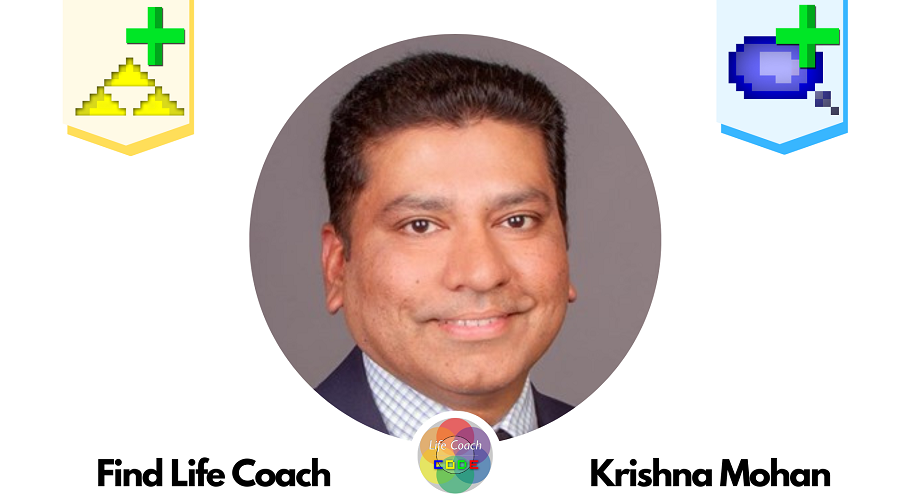
Krishna Mohan is one of the coaches that we found this month and we did a little interview with him. He impressed us with his wisdom and expertise.
He always had desire for helping others, and a deep passion for personal growth and development. He wanted to learn all he can about how to overcome challenges, create positive habits, and achieve success. He was keen to discover all the secrets of the human consciousness and how we make our own reality.
He helps people to overcome limiting beliefs, overcome fear of failure, set SMART goals, take action, and achieve results. And he has an immense wisdom that helps him sqeeze powerful lessons from every circumstance. One of the reasons why he is able to do this is his Growth Mindset.
But it wasn’t always like that. There was a time when he was stuck in mediocrity, in comfort, having a secure job, good salary, a nice car and a decent apartment… but he was neglecting his purpose, he was feeling like he is living someone else’s life. This brought him many challenges that he needed to overcome to get to where he is today. The thing that really helped him was adopting few powerful mindsets. Here is what he said.
Meet Strategic Mindset Mentor Krishna Mohan:
Name: Krishna Mohan
Pillar: The Spirit, The Mind
Who is this coach for: Anyone who wants to overcome the fear of failure, set up SMART goals, unleash their full potential, and become the best version of themselves.
How they can help: Through various techniques, tools, and modalities like NLP, Mind Mapping, Journaling and SWOT analysis, just to name a few.
First of all, how are you and your family doing after these Pandemic times?
First of all, I am grateful. Grateful for our health, our safety, our home, our friends, our community, our work, and our opportunities.
I don’t take anything for granted anymore, and I appreciate every moment that I have together.
I also try to express my gratitude regularly, by saying thank you, writing notes, sending gifts, or donating to causes that I care about.
Secondly, I am flexible. I’ve learned to adapt to changing circumstances and to embrace uncertainty as an opportunity for growth and learning.
I don’t resist or complain about what I can’t control, but I focus on what I can do and how I can improve myself and our situation.
I also try to be open minded and curious about new things, whether it’s a new hobby, a new skill, a new culture, or a new perspective.
Thirdly, I am optimistic. I’ve learned to look for the silver lining in every cloud and to see the positive side of every situation.
I don’t delve into the past or worry about the future, but I live in the present and enjoy every moment.
I also try to be hopeful and confident about my goals and dreams, and to believe that everything will work out for the best in the end.
And lastly, I am supportive. I’ve learned to lean on each other and to offer help and encouragement when needed.
I don’t judge or criticize each other, but I listen and empathize with each other’s feelings and experiences.
I also try to be kind and compassionate to myself and others, and to spread joy and happiness wherever I go.
How did the coronavirus pandemic affect your clients? Did it affect you at all?
As you know, the pandemic was a huge challenge for everyone.
It disrupted our normal routines, forced us to adapt to new situations, and created a lot of uncertainty and stress.
Many people lost their jobs, businesses, or loved ones.
Some people had to work from home, homeschool their kids, or isolate themselves from others.
Some people had to deal with health issues, mental issues, or financial issues.
All of these changes and difficulties had an impact on our mindset and our ability to cope.
My role was to help overcome these challenges and find ways to thrive in the new normal.
I helped to:
Identify and challenge their limiting beliefs and negative thoughts.
Develop a positive and resilient mindset that can handle any situation.
Set realistic and meaningful goals that align with their values and vision.
Create effective action plans and habits that support their progress and success.
Celebrate their achievements and learn from their failures.
Stay focused, motivated, and accountable throughout their journey.
So, as you can see, the pandemic was a tough but rewarding experience for me.
It taught us a lot of valuable lessons and skills that I can use for the rest of our lives.
It also shoId us that I are stronger than I think and that I can achieve anything I set our minds to.
What are the biggest lessons that you learned in this pandemic?
Lesson 1: Adaptability is key.
The pandemic has forced us to change our routines, habits, and expectations in many ways.
Some of these changes Ire positive, such as spending more time with family, learning new skills, or discovering new hobbies.
Some of them Ire negative, such as losing income, facing health risks, or feeling isolated.
The key to surviving and thriving in this situation is to be adaptable and flexible.
To embrace the changes that are beneficial and to find ways to cope with the ones that are not.
To be open to new possibilities and opportunities that may arise from the crisis.
Lesson 2: Gratitude is powerful.
The pandemic has also made us realize how much I take for granted in our lives.
Things that I used to consider normal or mundane, such as going out with friends, traveling, or even hugging someone, became precious and rare.
The pandemic has taught us to appreciate what I have and not to focus on what I lack.
To be grateful for our health, our relationships, our resources, and our resilience.
To express our gratitude to myself and to others. To cultivate a positive attitude and a hopeful outlook.
Lesson 3: Connection is essential.
The pandemic has shown us how much I need each other. How much I depend on our social networks for support, comfort, and inspiration.
How much I crave human interaction and communication.
The pandemic has also challenged us to find new ways to connect with others, such as using technology, joining online communities, or volunteering for a cause.
The pandemic has reminded us to nurture our existing connections and to create new ones.
To reach out to those who are lonely or struggling.
To be kind, compassionate, and empathetic.
Remember that you are not alone, and that you have the power to overcome any obstacle with the right mindset.
The Origin:
Tell us about you, your career, how you started with your coaching career?
I’ve always been passionate about personal growth and development.
I was fascinated by the power of the mind and how it can shape our reality.
I wanted to learn everything I could about how to overcome challenges, create positive habits, and achieve success.
I also had a strong desire to help others.
I enjoyed giving advice, sharing insights, and supporting my friends and family whenever they faced difficulties or needed guidance.
I felt happy and fulfilled when I saw them grow and thrive.
I realized that helping people was my purpose and my calling.
I wanted to use my skills and knowledge to help more people achieve their full potential and live their best lives.
I’ve been working with amazing people from all over the world.
I help them develop a strategic mindset that allows them to overcome limiting beliefs, overcome fear of failure, set SMART goals, take action, and achieve results.
I love seeing them transform their lives and reach new heights of happiness and fulfillment.
I’m so grateful for the opportunity to do what I do.
It’s not always easy, but it’s always rewarding.
I’m constantly learning, growing, and improving myself as a person.
I’m also constantly inspired by the people I work with and the impact I make on their lives.
What was your biggest obstacle that you had to overcome in your life that made you who you are today?
It was about 20 years ago when I was working as an Executive in a large corporation.
I had a good salary, a nice car, a comfortable apartment, and everything seemed to be going Ill for me.
But deep inside, I was unhappy and unfulfilled.
I felt like I was living someone else’s life, not mine.
I had always wanted to be an entrepreneur and create something of value for others.
I faced so many challenges and difficulties along the way.
I decided to change my mindset and adopt a growth mindset, a positive mindset, and an abundance mindset.
A growth mindset that believes that success is based on learning and improving, not on talent and luck.
A positive mindset that focuses on the solutions and opportunities, not on the problems and limitations.
An abundance mindset that creates more value and abundance, not on fearing losing what I have.
I started to apply what I learned to my business and my life. And slowly but surely, things started to change for the better.
I started to attract more, create more impact, enjoy more freedom, have more fun, build more relationships, and live more authentically.
I started to feel happy and fulfilled.
I started to live on my own terms.
The Coaching Style:
How do you innovate with coaching your clients?
Mentoring is all about helping people find new ways of looking at things and creating new possibilities for themselves.
This demands a lot of creativity and flexibility.
Some of the tools and techniques to spark innovation are:
Mind mapping: This is a great way to brainstorm ideas and organize them visually.
I use mind mapping to help clients clarify their vision, identify their strengths and weaknesses, and explore different options and strategies.
For example, I helped one of my protégé create a mind map of her career goals and the steps she needed to take to achieve them.
She was able to see the big picture and the details at the same time, which gave her more clarity and confidence.
SWOT analysis: This is a framework to evaluate the strengths, weaknesses, opportunities, and threats of a situation.
I use SWOT analysis to help clients assess their current reality, identify potential challenges and opportunities, and plan for action.
For example, I helped another mentee conduct a SWOT analysis of his business idea and the market he wanted to enter.
He was able to identify his unique selling proposition, his competitive advantage, and his target audience.
SMART goals: This is a method to set Specific, Measurable, Achievable, Relevant, and Time bound goals.
I use SMART goals to help clients define their desired outcomes, track their progress, and celebrate their achievements.
For example, I helped another protégé set SMART goals for his personal development and his professional growth.
He was able to break down his big goals into smaller milestones and measure his results along the way.
NLP techniques: NLP stands for Neuro Linguistic Programming, which is a set of techniques to influence the subconscious mind through language and communication.
I use NLP techniques to help clients reframe their limiting beliefs, overcome their fears, and enhance their confidence and motivation.
For example, I helped another protégé use NLP techniques such as anchoring, visualization, and affirmations to change his negative self talk into positive self talk.
He was able to boost his self esteem and his performance.
What’s unique about your coaching approach?
My approach is unique because I combine the principles of neuroscience, psychology and business to create a personalized plan.
I use evidence based techniques to help them rewire their brains, boost their confidence and optimize their performance.
I also provide ongoing support and accountability to help them stay on track and overcome any challenges along the way.
What benefits do your clients get after working with you?
I help develop a clear vision of their goals and overcome the mental barriers that hold them back from achieving them.
I dig deeper into the root causes, challenges and help them transform their mindset from the inside out.
I believe that mindset is the key to success in any area of life, and that by changing how you think, you can change how you act and how you feel.
My approach is not a one size fits all solution, but a tailored process.
Do you use any specific tools to be efficient with your clients?
One of the most important tools that I use is a vision board.
A vision board is a visual representation of your desired outcomes and how you want to feel when you achieve them. It helps you to stay focused and motivated on your journey.
I encourage everyone to create their own vision boards and update them regularly as they progress.
Another tool that I use is a journal.
A journal is a great way to reflect on your thoughts, feelings, actions, and results.
It helps you to identify your strengths, weaknesses, opportunities, and threats.
It also helps you to express gratitude, celebrate wins, and learn from mistakes.
A third tool that I use is a planner.
A planner is a practical way to organize your time, tasks, and resources.
It helps you to prioritize your activities, set deadlines, and track your progress.
It also helps you to balance your work and personal life.
Of course, there are many other tools out there that you can explore and experiment with. The key is to find the ones that suit your style and preferences, and that help you deliver the best value.
The Impact:
If you had a super megaphone that, when you speak into, the whole world will hear your message, what would you say?
Some of you might say something like “I love you all” or “Peace and harmony” or “Stop fighting and start cooperating”.
Those are nice messages, but they are not very strategic.
They don’t tell people what to do or how to do it. They don’t inspire action or change. They don’t challenge the status quo or offer a vision for the future.
So what would I say if I had the super megaphone?
I would say something like this:
“Hello, world!
I have a message for you that will change your life and the world for the better.
Are you ready?
Here it is: THINK BIGGER!
Yes, that’s right.
THINK BIGGER!
Stop limiting yourself by your fears, doubts, and excuses.
Stop settling for less than you deserve.
Stop following the crowd and start leading the way.
Stop being reactive and start being proactive.
Stop being a victim and start being a victor.
Think beyond your current situation and circumstances.
Think about your potential and possibilities.
Think about your dreams and goals.
Think about your purpose and passion.
Think about your impact and legacy.
Think beyond yourself and your own interests.
Think about others and their needs.
Think about your community and your society.
Think about your planet and your environment.
Think about your humanity and your spirituality.
And then, ACT BIGGER.
Take action that matches your thinking.
Take action that moves you closer to your vision.
Take action that makes a difference in the world.
Take action that reflects who you are and who you want to be.
And then, LIVE BIGGER.
Live a life that is meaningful and fulfilling.
Live a life that is joyful and abundant.
Live a life that is adventurous and exciting.
Live a life that is authentic and aligned.
And then, BE BIGGER.
Be a person who is confident and courageous.
Be a person who is creative and innovative.
Be a person who is generous and compassionate.
Be a person who is influential and inspirational.
THINK BIGGER! That’s my message to you, world.
And I hope you will take it to heart and apply it to your life.
Because when you think bigger, you become bigger. And when you become bigger, the world becomes better.
What is the greatest lesson you have learned in your life?
I often get asked about the most important lesson I have learned in my life.
It’s not an easy question to answer, because there are so many valuable lessons that have shaped my personal and professional growth.
But if I had to choose one, it would be this: always be open to learning new things.
Learning new things is essential for developing a strategic mindset.
A strategic mindset is the ability to see the big picture, anticipate future scenarios, and adapt to changing circumstances.
It’s a skill that can help you achieve your goals, overcome challenges, and create positive impact in the world.
But how do you develop a strategic mindset?
You can’t just read a book or take a course and expect to master it.
You have to practice it every day, in every situation, and with every person you encounter. And that means you have to be willing to learn new things.
Learning new things can be scary, uncomfortable, and challenging.
It can expose your weaknesses, challenge your assumptions, and force you to step out of your comfort zone.
It can also be exciting, rewarding, and fulfilling.
It can expand your horizons, enrich your perspectives, and unlock your potential.
Learning new things can come from many sources: books, podcasts, courses, mentors, peers, customers, competitors, etc.
The key is to be curious and humble enough to seek them out and absorb them.
You don’t have to agree with everything you learn, but you have to be open to listening and understanding different points of view.
Learning new things can also come from your own experiences: successes, failures, feedbacks, experiments, etc.
The key is to be reflective and proactive enough to learn from them and apply them.
You don’t have to drill on the past or worry about the future, but you have to be aware of the present and make the most of it.
Learning new things is not a one time event or a destination.
It’s a continuous process and a journey.
It’s not something you do once in a while or when you have time.
It’s something you do every day and every moment.
It’s not something you do for others or for external rewards.
It’s something you do for yourself and for intrinsic motivation.
Learning new things is the greatest lesson I have learned in my life.
It has helped me develop a strategic mindset that has enabled me to achieve my personal and professional goals.
It has also helped me enjoy the journey and appreciate the opportunities that life has given me.
I hope this lesson inspires you to learn new things.
Remember: learning is not a chore or a burden. It’s a privilege and a joy. And it’s the best way to develop a strategic mindset that will help you succeed in life.
Your final thoughts?
I want to encourage you to keep growing and learning.
There is always more to discover and improve in yourself and in the world.
Don’t settle for mediocrity or complacency.
Seek new opportunities and challenges that will stretch you and make you stronger.
Surround yourself with people who inspire you and support you.
Read books, listen to podcasts, watch videos, attend seminars, join communities that will enrich your mind and your soul.
Until next time, remember: You have the power to create your own reality!
Where Can You Find Krishna Mohan?
If you liked this interview and if you would love to upgrade your mindset, go to https://www.geniusvisionaryinc.com/ and see how Krishna can help you.
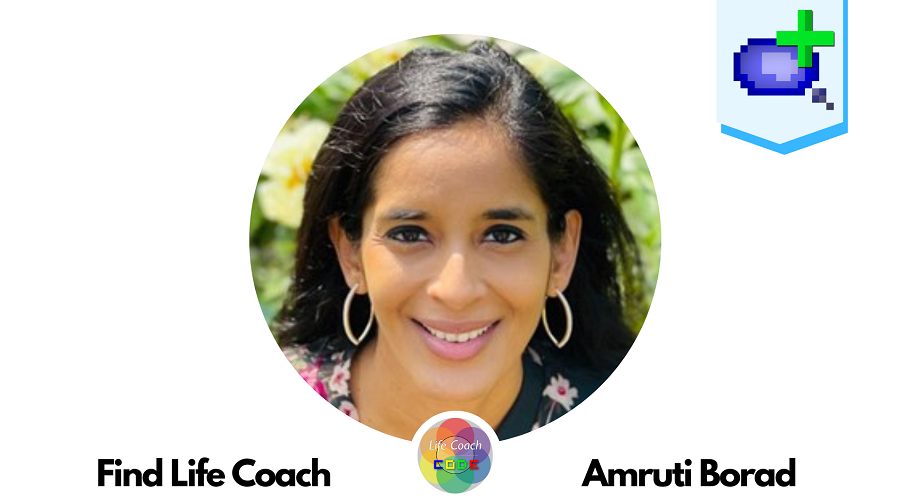
Amruti Borad is one of the coaches that we found this month and we did a little interview with her. She impressed us with her expertise and experience.
She is an Osteopathic, Concierge Family Medicine Physician with UC San Diego Health. During the pandemic, like many of the healthcare professionals, she experienced burnout and transitioned to a Concierge Medicine practice where she spent a lot of time with her patients.
She was inspired to become a coach and got certified through the Life Coach School. Now she is giving 1 on 1 coaching for both medical students and trained Physicians to prevent or traverse burnout.
Her biggest obstacle in life, as she says, was her own mind. The limits she was puting on herself, and the belief system that was limiting her choices. As she continues to recognize and address these limitations, her life improves and she continues to grow as a person and a coach. Here is what she said.
Meet Life Coach Amruti Borad:
Name: Amruti Borad
Pillar: The Mind
Who is this coach for: Medical students and trained Physicians who want to prevent or traverse burnout, determine ways to practice medicine in a sustainable manner, and navigate transitions.
How they can help: Through mentoring and coaching, weekly goal setting, accountability and support.
First of all, how are you and your family doing after these Pandemic times?
We are doing much better.
The pandemic was a period of significant stress given I am an actively practicing Family Physician, so we are happy to see some sort of return to normalcy.
How did the coronavirus pandemic affect your clients? Did it affect you at all?
Given my clients are healthcare professionals, the pandemic affected them in different ways, depending on if they are a student or already actively practicing.
Everyone is still experiencing the aftermath of the pandemic in one way or the other, even if small.
I continue to do inner work daily to ensure that I don’t fall back into burnout.
What are the biggest lessons that you learned in this pandemic?
The power of teamwork, relationships, and vulnerability.
The Origin:
Tell us about you, your career, how you started with your coaching career?
I am an Osteopathic, Concierge Family Medicine Physician with UC San Diego Health.
After I completed my training at UCLA, I enjoyed time in Academic Medicine and then I moved to San Diego and began practicing in a clinic focused on providing excellent patient care, particularly via efficiency.
I had the opportunity to serve as a Clinic Medical Director, Department Wellness Director, and Coronavirus Lead Physician.
I then experienced burnout like many of our healthcare professionals, and via my own Physician Coach, transitioned to a Concierge Medicine practice where I have ample time to spend with my patients, resulting in significantly better relationships and I believe, likely better health outcomes.
I was also inspired to become a coach, and certified through the Life Coach School.
I now provide 1 on 1 coaching for both medical students and trained Physicians to prevent or traverse burnout, determine ways to practice medicine in a sustainable manner, and navigate transitions.
What was your biggest obstacle that you had to overcome in your life that made you who you are today?
To be honest I would say the biggest obstacle has been myself, my mind!
I never realized how many limiting beliefs I have carried with me, and as I continue to recognize and address them, my life continues to improve and therefore, I continue to grow forward.
The Coaching Style:
How do you innovate with coaching your clients?
Coaching is a true collaboration of the minds.
I determine where a Client is in their journey, and adapt to their learning style.
I also utilize Positive Intelligence principles, which has allowed me to approach client challenges in a unique way.
What’s unique about your coaching approach?
I have a diverse career background (Osteopath, Academic Medicine, Leadership) and I have experienced burnout and burnout recovery myself.
This puts me in a unique position to empathize with my clients and provide both mentoring and coaching to make the decisions that are best for them.
What benefits do your clients get after working with you?
They feel more empowered, are able to make decisions that align with their values, achieve specific goals, create healthier belief systems, develop a new relationship with inevitable challenges, view their abilities through a new lens, and trust in themselves, and overall, have more clarity.
Do you use any specific tools to be efficient with your clients?
I like to structure sessions such that:
We briefly review key takeways from the prior session,
We choose 1 or 2 current primary concerns to focus on,
And we ensure we list goals for the week prior to completing sessions on time (whenever possible!).
I also make sure to send clients resources on a weekly basis tailored to their needs.
The Impact:
If you had a super megaphone that, when you speak into, the whole world will hear your message, what would you say?
The world needs more compassion.
Start small. Start today.
What is the greatest lesson you have learned in your life?
The greatest lesson is that you are your own best friend.
Trust yourself and look out for YOU.
Your final thoughts?
Here is a nice infographic of what I learned through my own burnout and I believe it can speak to many different situations!
Where Can You Find Amruti Borad?
If you liked this interview and if you would love to prevent or traverse burnout and find clarity, go to https://www.vorcisphysiciancoaching.com and see how Amruti can help you.
If you’d like to peak a glimpse to her mind and coaching, follow her Facebook, Twitter and Instagram accounts.
If you’d like to connect more personally with her, you can do that through LinkedIn or by sending her a message on her Email [email protected]. It was an honor having this interview with her.
By Dr. Dolores Fazzino, Nurse Practitioner, Medical Intuitive, Energy Whisperer.
“Shift your energy, shift your life” is a phrase that emphasizes the relationship between our energetic state and the experiences we attract in our lives.
It suggests that by consciously shifting our energy, we can transform our life experiences and create a more positive and fulfilling reality.
Here’s a breakdown of the concept:
Energy:
Everything in The Universe, including ourselves, is made up of energy.
Our thoughts, emotions, beliefs, and actions all emit energy vibrations that interact with the energetic field around us.
Shifting energy:
Shifting energy refers to intentionally changing our thoughts, emotions, beliefs, and actions to align with more positive and empowering states.
It involves letting go of negative or limiting patterns and embracing more constructive and uplifting ones.
Law of Attraction:
The Law of Attraction suggests that like attracts like.
By focusing on positive energy and cultivating a positive mindset, we are more likely to attract positive experiences and opportunities into our lives.
Shifting our energy allows us to become a magnet for what we desire.
Transformation:
When we consciously shift our energy, we can experience transformative changes in our lives.
This can manifest as improved relationships, increased abundance, enhanced well being, and a greater sense of fulfillment.
5 Ways How to Transform Your Life Through Shifting Energy:
To shift your energy and shift your life, consider the following practices:
1. Awareness:
Pay attention to your thoughts, emotions, and beliefs.
Notice any negative or limiting patterns that may be holding you back. L
Awareness is the first step toward change.
2. Positive Mindset:
Cultivate a positive mindset by focusing on gratitude, affirmations, and positive self talk.
Challenge negative thoughts and replace them with empowering ones.
3. Emotional Well Being:
Take care of your emotional well being by practicing self care, mindfulness, and stress reduction techniques.
Engage in activities that bring you joy and help you maintain a positive emotional state.
4. Personal Growth:
Invest in your personal growth and development.
Continuously learn, explore new interests, and challenge yourself to expand your knowledge and skills.
5. Surroundings:
Create a supportive environment that aligns with your desired energy.
Surround yourself with positive influences, inspirational materials, and uplifting spaces.
What You Should Remember?
Remember that shifting your energy is an ongoing process. It requires commitment, self reflection, and practice.
Over time, as you consciously work on shifting your energy, you may start to notice positive changes in various aspects of your life.
It’s important to acknowledge that while shifting your energy can have a significant impact on your life, external circumstances may still present challenges.
However, by cultivating a positive and empowered energy, you can navigate these challenges with greater resilience and create a more fulfilling and meaningful life.
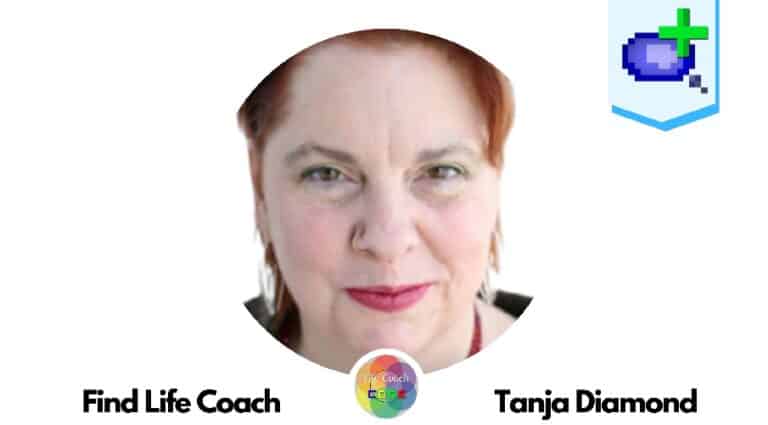
Tanja Diamond is one of the coaches that we found this month and we did a little interview with her. She impressed us with her no BS approach and expertise.
She is a polymath and she loves to disseminate information. That lead her to pursue this career. She is helping people reach almost any kind of goal in their life.
She says, she is more of a strategist than a coach. As a polymath she can strategize everything, from making millions, parenting, mental and physical health to relationships, and anything else her clients might need.
Her greatest obstacle in life was other people’s doubts and criticism, but that made her achieve the excellence she has today. Here is what she said.
Meet Life Coach Tanja Diamond:
Name: Tanja Diamond
Pillar: The Mind
Who is this coach for: Anyone who wants a clear strategy and gameplan on how to reach their goals.
How they can help: Through various tools that she developed and strategies based in ancient technologies and modern brain science to get people unstuck and moving toward their goals, and by generating the best possible strategy for reaching those goals.
First of all, how are you and your family doing after these Pandemic times?
We are doing great.
My daughter had to do her last two years of high school through all of it but came out the other side more resilient and stronger.
My business was not affected as I am a digital nomad so I could work with everyone online.
Things are better than ever.
How did the coronavirus pandemic affect your clients? Did it affect you at all?
Lots of my clients were affected by fear and isolation.
I worked with them overcoming uncertainty, anxiety, depression around current and future fears.
Of course, a lot of relationship issues came up with everyone spending so much time together.
As for my family. I got the coronavirus 2 weeks before anyone in my area knew what it was.
I did have cause for concern as I had some metabolic issues which made me a likely candidate for hospitalization.
However, I used the breath work practices I developed to oxygenate my blood and pulled through.
When the hospital closed down to surgeries it did affect my health because I had cancer growing and no one knew that the 4 months wait to get the surgery would affect my outcomes.
So, 2020 was all about coronavirus, chemo and cancer, I found it very interesting to be going through all that during a pandemic, certainly made it historic.
Other than that, the pandemic didn’t really affect me emotionally or financially.
I didn’t mind the isolation as I enjoy my own company.
What are the biggest lessons that you learned in this pandemic?
Pandemics are part of life, they have happened and will happen again.
The biggest problem is that people get scared and upset when they routines are changed, and they don’t know what the future holds.
The truth is, we never know what the future holds, even the next 10 minutes from now.
Letting go of what we can’t control helps us focus on what we can oversee, and that’s our selves.
People make bad decisions when they’re scared, so the first rule of thumb is to manage your nervous system.
We can do that by using our breath to regulate our Vagus nerve.
Soft inhale through the nose to the count of 2 and then slow long exhale through the mouth as you let your body deflate like a balloon.
Do that for 5 minutes a day and whenever you feel your heart beating fast or your mind racing.
Life is happening and we are never going to control anything but ourselves.
The Origin:
Tell us about you, your career, how you started with your coaching career?
I am an autistic polymath and have loved disseminating information since I was a young child, much to the dismay of others. LOL.
When I went to work for other people, they didn’t like it when I showed them or told them how to do it better, especially since I was way younger than most people I was telling.
So it made sense for me, to pivot to self employment and get paid to strategize and tell people how to get their best results.
I am more of a strategist than a coach now, though I have coached diving, riding, swimming, better sex and other things when I was younger.
I left brick and mortar businesses to hit the internet scene in 1992, being one of the first women to make money online who wasn’t in the porn industry.
I love online business, it’s been such an amazing way to make money and have time freedom!
I believe everyone should be able to create passive income selling their expertise and stop trading dollars for hours.
These days, I work as a life and business strategist and have such a variety of things going on, I love it!!
What was your biggest obstacle that you had to overcome in your life that made you who you are today?
I was always a visionary and ahead of my time.
This made people in my life try to save me from myself and tell me to stop dreaming all the time.
I had to believe in myself since others didn’t.
I had to protect my confidence, or I would never achiever the things I have.
I remember friends telling me I was crazy when I said the internet was going to make people really rich.
They laughed and said… “making money out of thin air… are you crazy?”
So, my biggest hurdle has always been other people’s doubts and criticisms.
The Coaching Style:
How do you innovate with coaching your clients?
I have created many proprietary strategies based in ancient technologies and modern brain science to get people unstuck and moving toward their goals.
I’m also a biohacker and scientist.
This has helped me positively impact over 82k people in over 60 countries.
My approach works for everyone because it’s based on our evolutionary design.
Being autistic and a polymath means I get to range into many areas and not just have a one expertise approach when I help others.
I can see into areas that are holding them back.
Most people come to me with what they THINK is the problem and I can discover what IS the problem.
It’s rarely what they think it is.
What’s unique about your coaching approach?
Just about everything, the fact I’m a polymath makes my strategies comprehensive.
I’m very results driven and don’t like to waste my time or my clients time, so the way I coach is based on getting rapid results and teaching my clients how to duplicate them even without me.
I don’t want to tie my clients to me, I want them to learn self management, which is the most powerful tool we can have.
What benefits do your clients get after working with you?
I can strategize everything from making millions, parenting, mental and physical health, relationships, great sex, and anything else they need.
So, the benefit of working with me is I can target the problems quickly and help you get results that are sustainable.
Do you use any specific tools to be efficient with your clients?
Yes, I have developed micro practices over 40 years, which address and transform our 5 Innate Systems: Energetic, Chemical, Emotional, Mental and Physical.
By optimizing with our 5 Innate Systems, we can overcome our challenges and create our desired outcomes.
With decades of personal development and business training I have thousands of tools in my strategy box so I can guide others to where they want using the most efficient way possible, saving them hundreds of hours and thousands of dollars in the process.
The Impact:
If you had a super megaphone that, when you speak into, the whole world will hear your message, what would you say?
By practicing the art of deliberate self honesty (which I did a TEDx talk about) and learning to manage our 5 Innate Systems we can conquer anything holding us back from what we want to achieve.
What is the greatest lesson you have learned in your life?
Never quit, just reassess as needed, pivot your course, and keep on making things happen.
Mistakes are one of our great teachers.
Your final thoughts?
Thanks for taking the time to be with me today and I wish you the most success of your journey, wherever you want it to take you.
Be Amazing!
Where You Can Find Tanja Diamond?
If you liked this interview and if you would love to get a strategy on how to reach your goals, go to https://evolutioncoaches.com/ and see how Tanja can help you.
If you’d like to get in touch with her more personally, you can do that through LinkedIn or by sending her a message on her Email [email protected]. It was an honor having this interview with her.
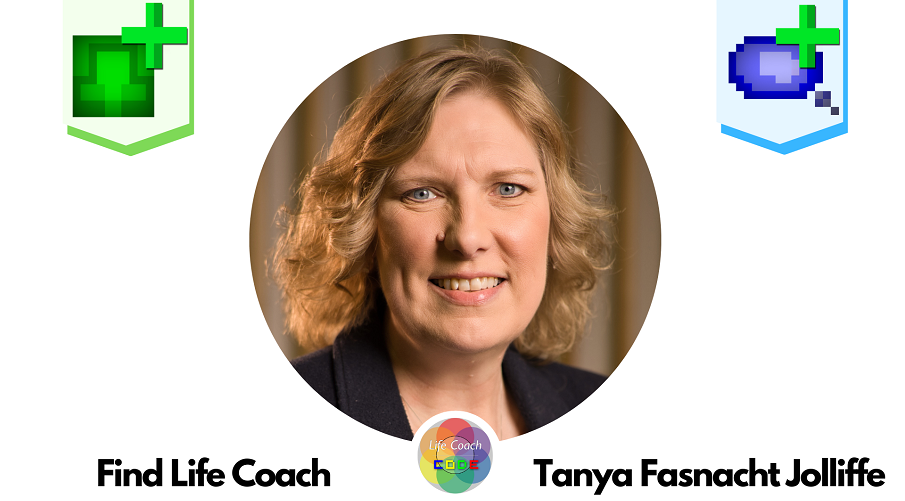
Tanya Fasnacht Jolliffe is one of the coaches that we found this month and we did a little interview with her. She impressed us with her expertise and experience.
She is a Registered Dietitian Nutritionist, Licensed Dietitian, and Certified Integrative Mental Health Professional passionate about helping people live whole and healthy lives filled with purpose.
She started as a research dietitian, she specialized in medical nutrition therapy and lifestyle behavior focused instruction to patients with end stage kidney and liver disease and those who had received solid organ transplants of a kidney, liver, or pancreas. For nearly a decade, she worked as a healthy eating expert and health coach, assisting thousands of mothers, teenagers, and adults in managing medical issues and maintaining their health using a web based platform and resources for an online health and wellness company. That’s just the beginning of her career. The best is yet to come and you are going to read it in the interview.
Her biggest obstacle was learning how to manage her passion so she can channel and deliver the right information in the right way so people can understand it and use it, and oh boy she mastered that. Her approach to coaching is focused on helping people realize that a diet, in and of itself, is not the solution to their problems. Here is what she said.
Meet Life Coach Tanya Fasnacht Jolliffe:
Name: Tanya Fasnacht Jolliffe, RDN, LD, CIMHP
Pillar: The Mind, The Body
Who is this coach for: Anyone, especially business leaders who want to find balance and create healthy environment in their work space so they can integrate health in every aspect of their life.
How they can help: Through various tools and techniques she developed to help people discover their wellness values, personality types, and lifestyle well being needs, as well as a four phased journaling program she created to help people become mindfully attuned to the habits, rules, routines, and rituals they follow relating to food and exercise.
First of all, how are you and your family doing after these Pandemic times?
We are all doing well.
How did the coronavirus pandemic affect your clients? Did it affect you at all?
I was beginning my company when the pandemic broke out, so my clients were eager to establish a lifestyle wellness approach to health management.
What are the biggest lessons that you learned in this pandemic?
Nothing is more important than your health.
Doctors can provide information, but the old saying of “trust but verify” is essential as you take charge and become your own health advocate to make the best choices for you and your family.
The Origin:
Tell us about you, your career, how you started with your coaching career?
I am a Registered Dietitian Nutritionist, Licensed Dietitian, and Certified Integrative Mental Health Professional passionate about helping people live whole, healthy lives of purpose.
I have been married to my husband Scott for over 33 years, and we live in the greater Cincinnati, Ohio, area.
We have two married children who live nearby and have enjoyed adding the title of grandparent this past year.
I started my career as a research dietitian in an NIH multi center cooperative study focused on protein calorie malnutrition in patients with alcoholic hepatitis.
I went on to specialize in medical nutrition therapy and lifestyle behavior focused instruction to patients with end stage kidney and liver disease and those who had received solid organ transplants of a kidney, liver, or pancreas.
After taking a few years off to stay at home with my small children, I RE entered the workforce with a shift in focus to health coaching and have never looked back.
For nearly a decade, I worked as a healthy eating expert and health coach, assisting thousands of mothers, teenagers, and adults in managing medical issues and maintaining their health using a web based platform and resources for an online health and wellness company.
After a corporate wide reduction in force of a third of that company, I moved into the field of transportation wellness.
I served as an onsite CDL wellness coach and then progressed to the Director of Wellness for a transportation wellness company.
As the director, I hired and trained a nationwide network of CDL wellness coaches and helped develop a cutting edge approach to transportation wellness.
All these experiences revealed diet culture’s breadth and impact on medical intervention outcomes, personal and family well being, and health care costs.
As I reviewed my own experiences with disordered eating and my many observations regarding lifestyle behaviors and health outcomes, the many health and well being benefits of incorporating a non diet approach to health maintenance and disease management became more and more apparent and led me to head out in a new direction.
It was released in October of 2019 and received an Amazon #1 New Release designation and has now reached international distribution.
At the same time, I decided to venture out on my own to bring non diet nutrition therapy, wellness integration, health coaching, and strategic culture design to market via a health and wellness coaching and consulting company.
Thus, L I T Wellness Solutions was born.
What was your biggest obstacle that you had to overcome in your life that made you who you are today?
Honesty is good, but learning how and when to speak honestly has undoubtedly been a journey.
My father used to tell me that it wasn’t WHAT I said but how I said it that got me in trouble as a child.
This has proven true for most of my life.
My passion can come across to some as yelling or anger, and learning how to convey information in a way people can best receive it has been an obstacle for most of my life.
But, as the saying goes, practice makes perfect, and while I know I am not perfect yet, I keep speaking and thus keep practicing to convey my heart for truth and information that helps people live their best life.
The Coaching Style:
How do you innovate with coaching your clients?
Businesses are beginning to recognize that promoting employee well being is a crucial component of good corporate citizenship and a key performance strategy for boosting morale, vitality, and productivity.
They are also discovering that it is a rising expectation among the talent they want to attract, access, and keep, and an imperative for maintaining healthcare costs.
I help companies shift their focus away from simply providing wellness programs to incorporating a wellness culture as a company core value.
What’s unique about your coaching approach?
I help people understand that diets and fitness plans only address one aspect of who they are, their physical well being.
With that limited approach, lasting health and well being transformation is challenging and has failed many people over the past few decades because it ignores the stress and triggers that influence health management efforts.
A culture of wellness is the antithesis of diet culture.
It helps people recognize and affirm what is working well in their life while learning to be honest and fair concerning what needs to change and improve to support stress reduction, mental clarity, emotional resiliency, health, and happiness.
I use various coaching strategies that help people see their values, personality, and well being more clearly and how they impact food and activity behaviors and health outcomes.
We use the information they discover to create a way of living, working, and connecting that weaves health and well being into every aspect of their life, creating a lifestyle or workplace culture that supports their physical, emotional, and mental health dimensions as well as their relational, financial, spiritual, and social well being.
What benefits do your clients get after working with you?
My individual clients benefit significantly from improved biomedical readings, weight stabilization, family life work balance, body acceptance, and irrational versus rational thought.
They also gain insight into their triggers, mindset, and choices and how they impact them mentally, physically, relationally, emotionally, financially, and spiritually.
My corporate clients benefit from connecting the vision and value of health and well being with the workplace’s people, practices, environment, and atmosphere to create a shared foundational vision of health and well being that helps their company live and work effectively within the stated company values and goals.
This culture ultimately improves productivity, promotes creativity and work quality, amplifies inclusivity, builds trust and resiliency, limits turnover, attracts diversity, boosts morale and loyalty, and reduces healthcare costs.
Do you use any specific tools to be efficient with your clients?
I have developed many tools and strategic solutions to help people discover their wellness values, personality types, and lifestyle well being needs.
Using this four phased guided journal, clients use non diet intuitive principles and journaling to get in touch with their bodies physically and emotionally as they journey away from reactive diet culture and disordered practices toward nourishing choices for health and wholeness.
This program also helps bridge the gap between eating disorders and intuitive eating.
Group leaders, health coaches, counselors, dietetic professionals, and treatment centers can use this tool to help clients identify triggering food and activity emotions and feelings.
When clients develop expressive language skills surrounding triggers and what they are experiencing, it allows health professionals to get the most from their coaching and counseling time together.
The Impact:
If you had a super megaphone that, when you speak into, the whole world will hear your message, what would you say?
Diet culture is a propaganda lie you have believed for far too long.
There is way more to healthy living and lifestyle well being than the number on the scale, the number of reps you can do, or the size of clothes you wear.
It’s time to live in truth and IGNITE the change within for lasting health and well being transformation.
What is the greatest lesson you have learned in your life?
As a senior in college, I heard Oprah say on her show one afternoon that you can have it all, but you can’t have it all at the same time.
That saying has resonated with me ever since and allowed me to live with a balance that brought family and career success without unnecessary stress and burnout.
I have enjoyed parenting and career seasons that continue to enrich my life and enhance my skills simultaneously.
You indeed can have it all, just at different seasons of life.
Your final thoughts?
Moving away from diet culture to embrace and master attuned eating and intuitive living is an individual process.
It requires targeted tools and mindful strategies to make the shift, as well as the support of an integrative coach that can help people bring all dimensions of well being into focus.
We are each an experiment of one, and the path to lasting health and well being transformation is individual, there is no one size fits all.
I love helping people and companies discover all the well being puzzle pieces and how to put them together to create their perfect picture for life, health, and happiness.
Where Can You Find Tanya Fasnacht Jolliffe?
If you liked this interview and if you’d love to embody a healthier life and master attuned eating, go to http://www.litwellnesssolutions.com/ and see how Tanya can help you.
If you’d like to get a glimpse of her coaching, make sure to subscribe to her YouTube channel, or follow her Instagram and Twitter accounts.
If you’d like to connect more personally with her, you can do that through Facebook and LinkedIn or by sending her a message on her Email [email protected]. It was an honor having this interview with her.
Seeking professional help for addiction is crucial, and there are various treatment options available that can help individuals overcome their addiction and achieve long term recovery.
Addiction Treatment and Recovery: Guide for Seeking Professional Help
The Importance of Seeking Professional Help
Addiction is a complex disease that affects the person spiritually, emotionally, physically, and mentally, especially the mind and body.
It’s not something that you can overcome on your own or simply “will” yourself to stop. You can try, but it’s almost impossible to do it alone.
Addiction requires professional help, just like any other medical condition.
Professional addiction treatment can help individuals detox safely, manage withdrawal symptoms, and address underlying mental health issues that may be contributing to their addiction.
Additionally, addiction treatment provides a supportive environment where individuals can learn new coping skills, build healthy relationships, and develop a sense of self worth and purpose.
Addiction treatment can also help individuals identify and address the underlying issues that may be driving their addiction, such as trauma, stress, or past experiences of discrimination.
5 Treatment Options for Addiction:
There is no one size fits all approach to addiction treatment.
Different individuals may require different types of treatment depending on their unique circumstances and needs.
Some of the most common treatment options for addiction include:
1. Inpatient Treatment.
Inpatient or residential treatment involves living at a treatment facility for a set period, usually 30 to 90 days.
Inpatient treatment provides a structured environment where individuals can focus on their recovery without the distractions and triggers of the outside world.
Inpatient treatment typically includes individual and group therapy, medical care, and access to support groups.
2. Outpatient Treatment.
Outpatient treatment involves attending therapy and support group sessions at a treatment center while continuing to live at home.
Outpatient treatment may be a good option for individuals with mild to moderate addiction who have a strong support system at home.
Outpatient treatment may also be a good option for individuals who have completed inpatient treatment and need ongoing support.
3. Medication Assisted Treatment.
Medication Assisted Treatment, or MAT, combines medication with behavioral therapy to treat addiction.
MAT can be effective in treating opioid, alcohol, and tobacco addiction.
MAT may involve medications that reduce cravings and withdrawal symptoms, such as buprenorphine or methadone.
4. Behavioral Therapy.
Behavioral therapy focuses on changing negative thoughts and behaviors that contribute to addiction.
Different types of behavioral therapy may be used, including Cognitive Behavioral Therapy (CBT), Dialectical Behavior Therapy (DBT), and Motivational Interviewing (MI).
Behavioral therapy may be provided in individual or group settings.
5. Support Groups.
Support groups such as Alcoholics Anonymous (AA) or Narcotics Anonymous (NA) provide a supportive community of individuals in recovery.
Support groups may be especially beneficial for individuals who have completed treatment and need ongoing support to maintain their recovery.
How to Find Help at an LGBT-Focused Rehab?
Addiction is a serious disease, but there is hope for recovery.
If you or a loved one is struggling with addiction, seeking professional help is the first step towards recovery.
One of our editors had a past experience with addiction recovery and she is in the LGBT community.
She says it was insanely hard to find a place that truly offers the expertise and respect that she was looking for. Then, after 3 tries she found a rehab center that she was really satisfied with.
No Matter What Recovery is a gay rehab center in Los Angeles that provides LGBTQ+ individuals with a safe and supportive environment to overcome addiction.
Their experienced team of professionals provides personalized treatment plans that address the unique needs of each individual.
At No Matter What Recovery, they offer a range of addiction treatment programs, including inpatient treatment, outpatient treatment, medication assisted treatment, and behavioral therapy.
Their programs are tailored to meet the unique needs of each individual and are designed to provide a comprehensive approach to addiction treatment.
If you or a loved one is struggling with addiction, don’t wait to seek help.
Contact No Matter What Recovery today to learn more about their addiction treatment programs and how we can help you achieve lasting recovery.