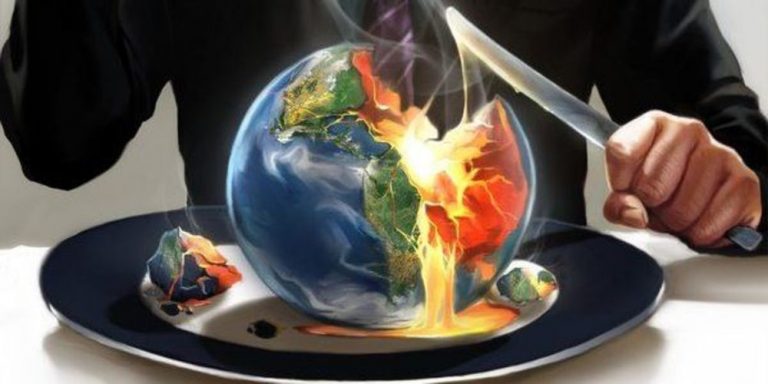
When humanity’s demands on Nature’s resources exceeds its limit we call it ‘Earth Overshoot Day‘ It simply means that, from that moment until the end of the year, everything we’ll use from mother Nature is TOO MUCH.
Unfortunately for the Earth (and mostly for us) it’s only August, and today we reach the ‘Earth Overshoot Day’ meaning we have almost half a year of using natural resources above the safety line. How stupid and irresponsible…
“Today is a bad day for planet Earth. We’ve just reached Earth Overshoot Day, the date by which humanity has used up its yearly “allowance” of Earth’s natural resources – and it’s earlier than it has ever been before.”
“With humanity’s appetite for natural resources continuing to grow, this day is creeping up sooner and sooner each year. Last year, we used our fill by August 9, five years ago it was August 11, 10 years ago it was August 24, and 40 years ago it was November 19.”
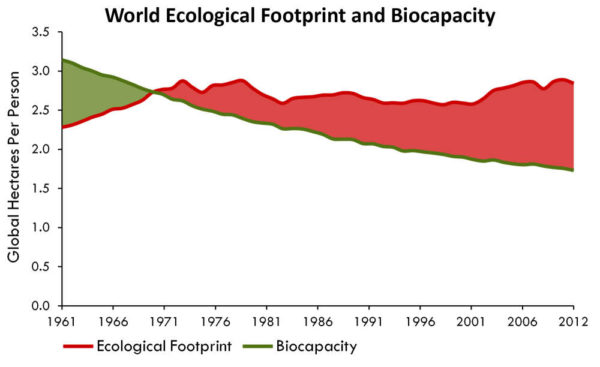
The balance between our biocapacity and our ecological appetite had a turning point around the late 1960s. Global Footprint Network.
Even though the rate at which ‘Earth Overshoot Day’ was going backwards has slowed down the past couple of years, we need to shift its direction.
“The Paris climate agreement is the strongest statement yet about the need to drastically reduce the carbon Footprint, the largest contributor to Earth overshoot. Ultimately, collapse or stability is a choice,” Mathis Wackernagel, co-founder and CEO of Global Footprint Network, said in the statement. “We forcefully recommend nations, cities and individuals take swift, bold actions to make the Paris goals an attainable reality.”
With all that’s happening around the world, with all the news, propaganda, fear and negativity, you deserve some glimpse of positive energy (you deserve a lot more). The world is not as dark as the media makes it. In fact, probably 99% of what’s happening out there is happy and positive. But in order to hijack your attention the media has to play the ‘danger’ card and that’s why 99% of what the news report is something negative; because people pay more attention to things that can potentially put their life in danger.
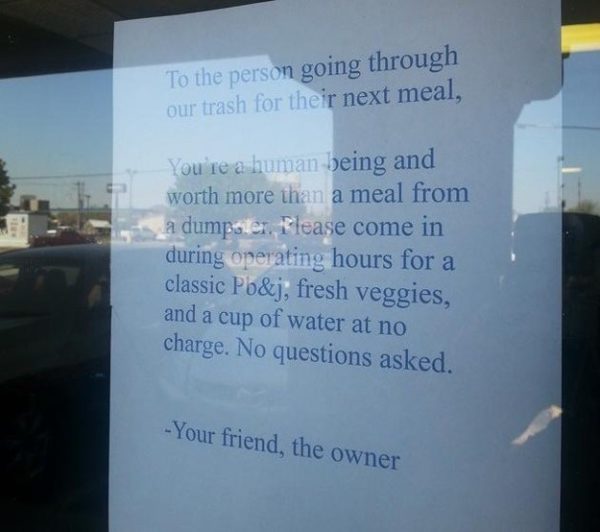
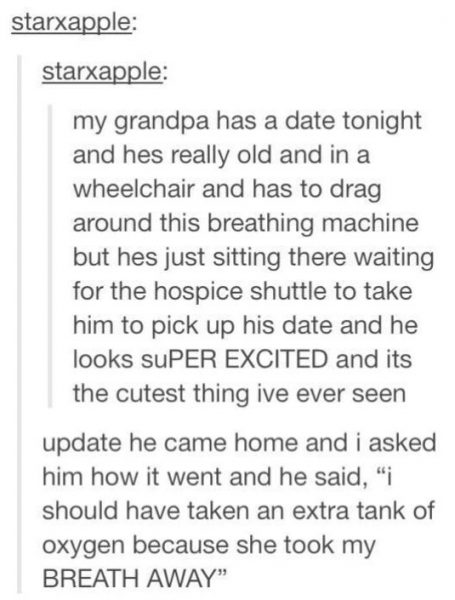
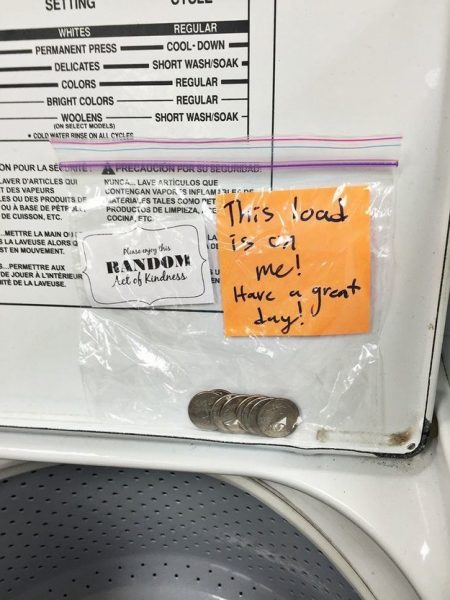
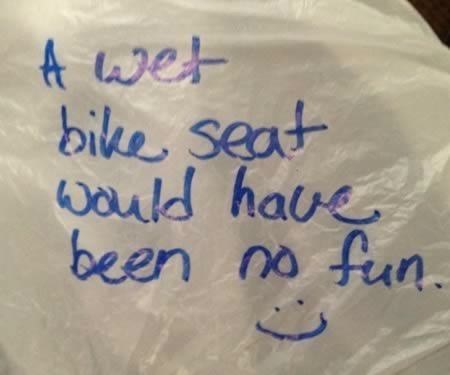
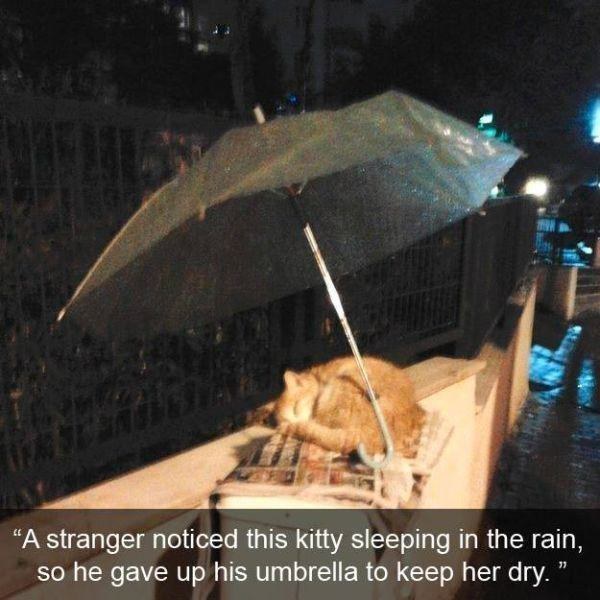
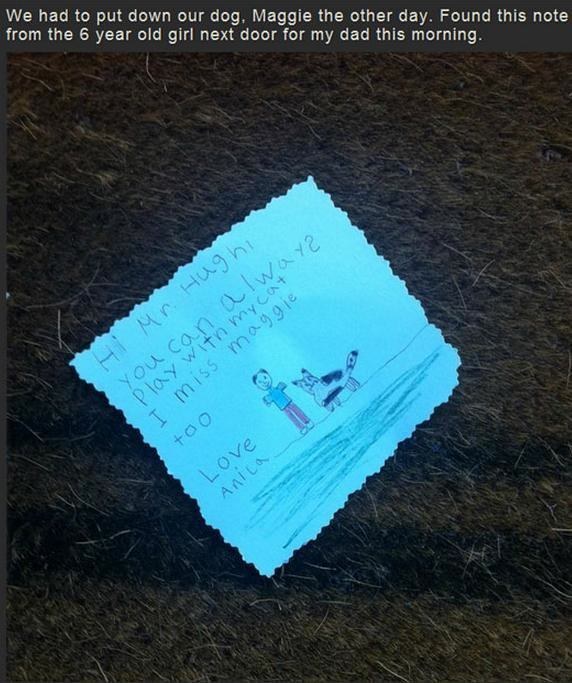
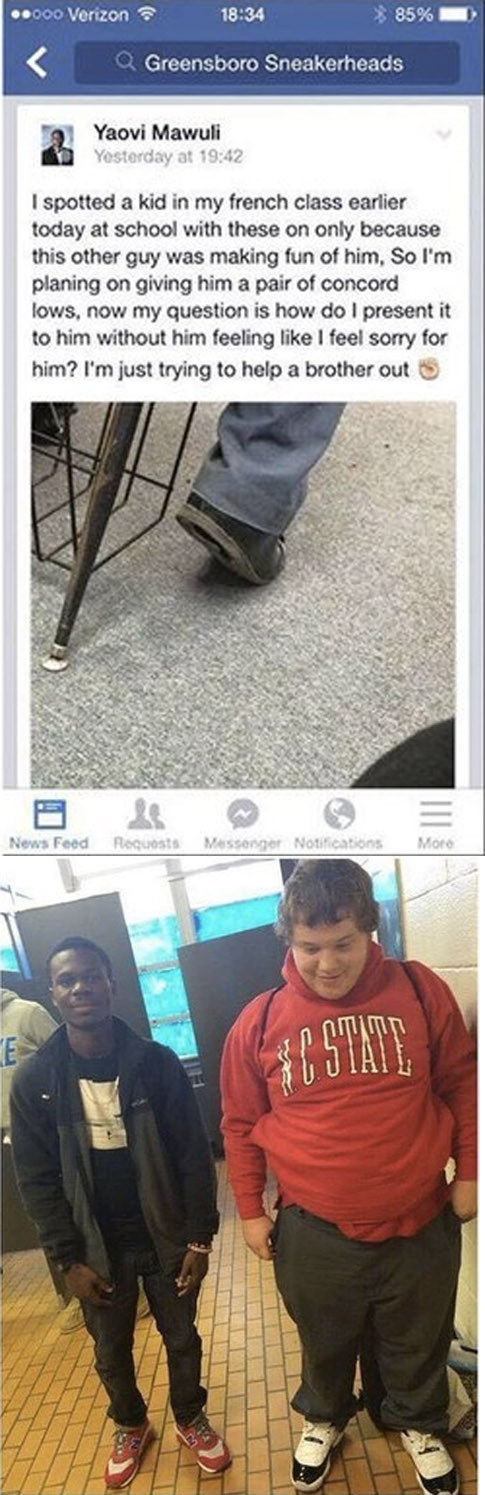
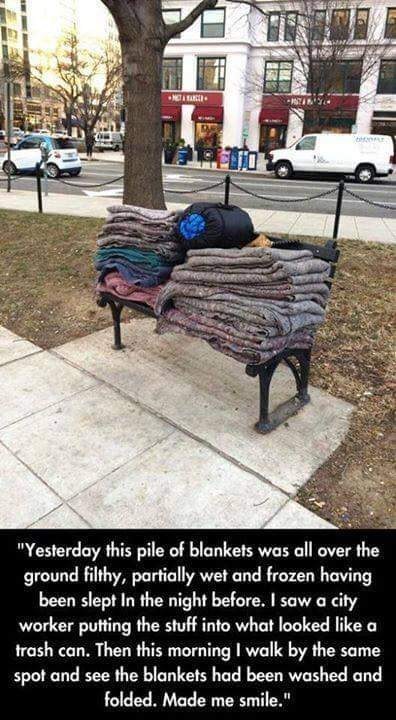
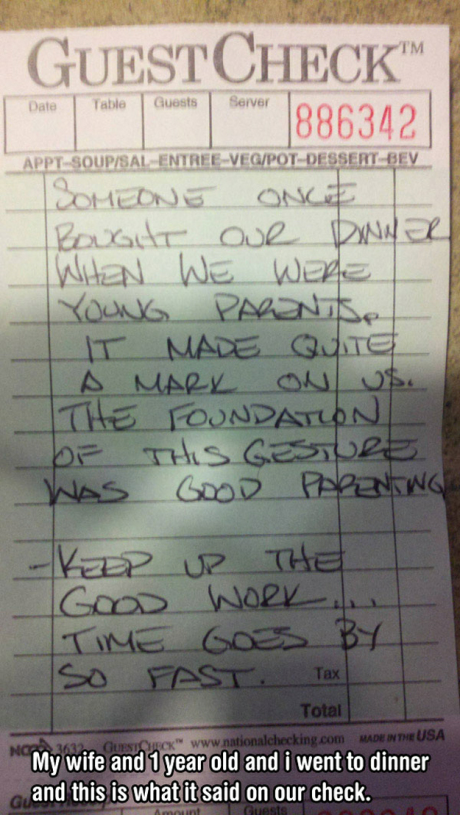
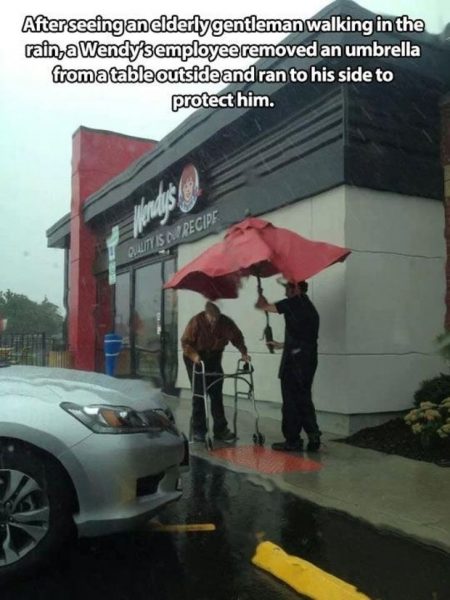
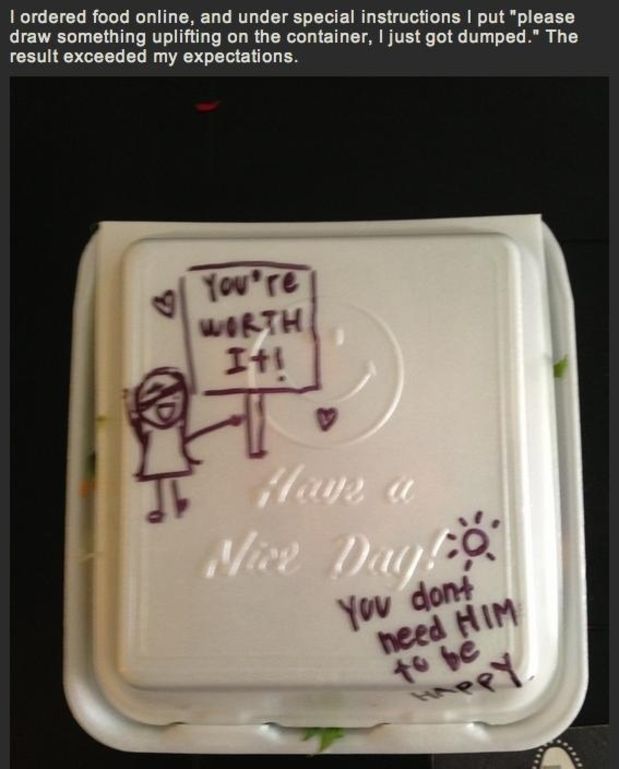
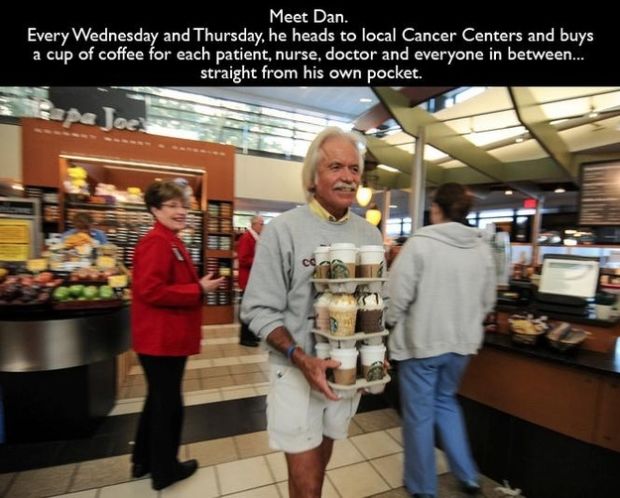
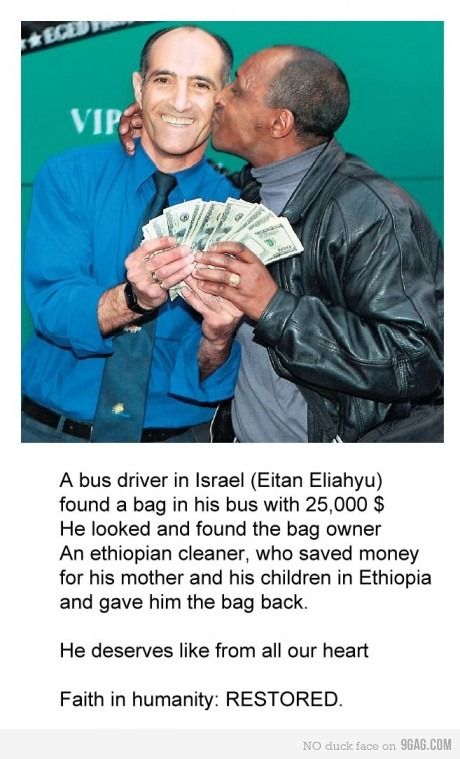
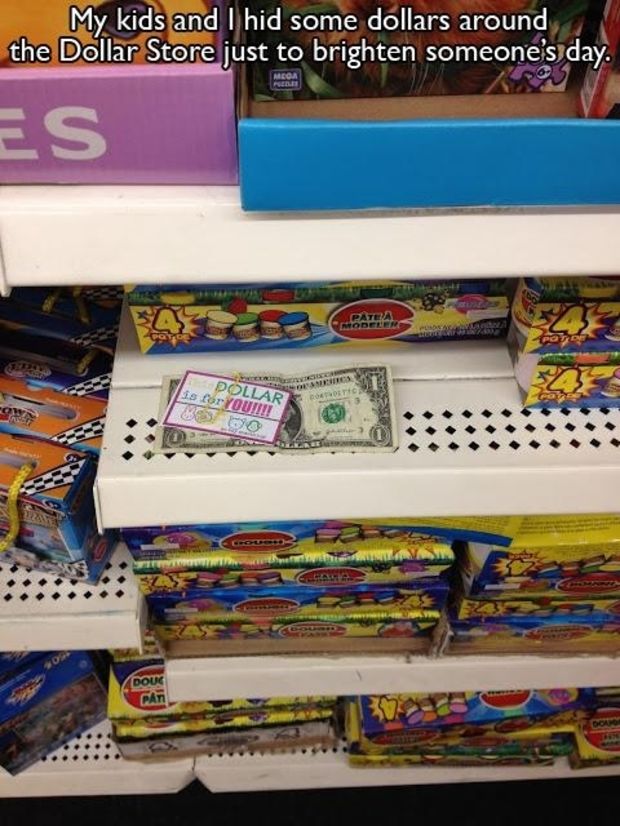
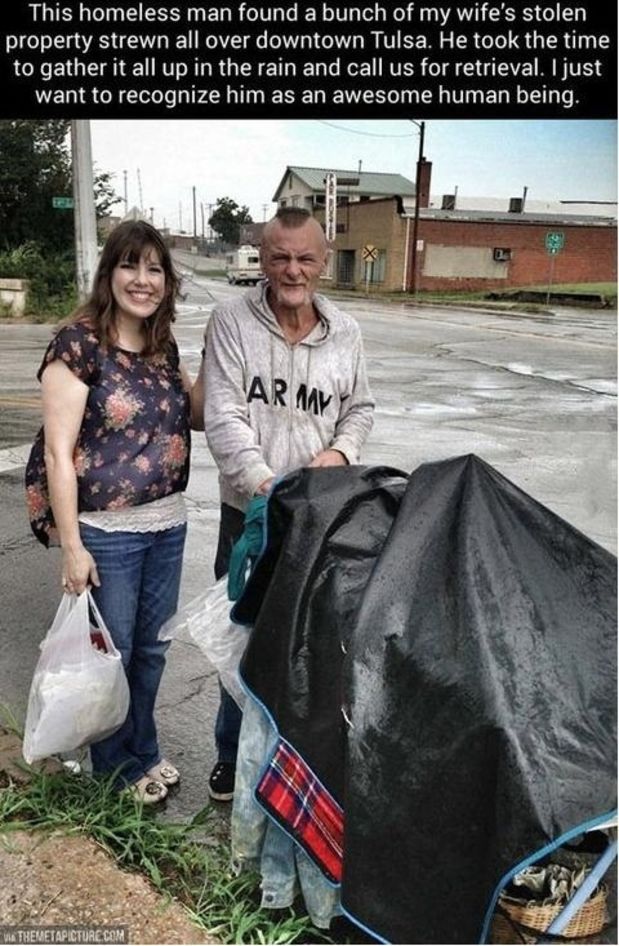
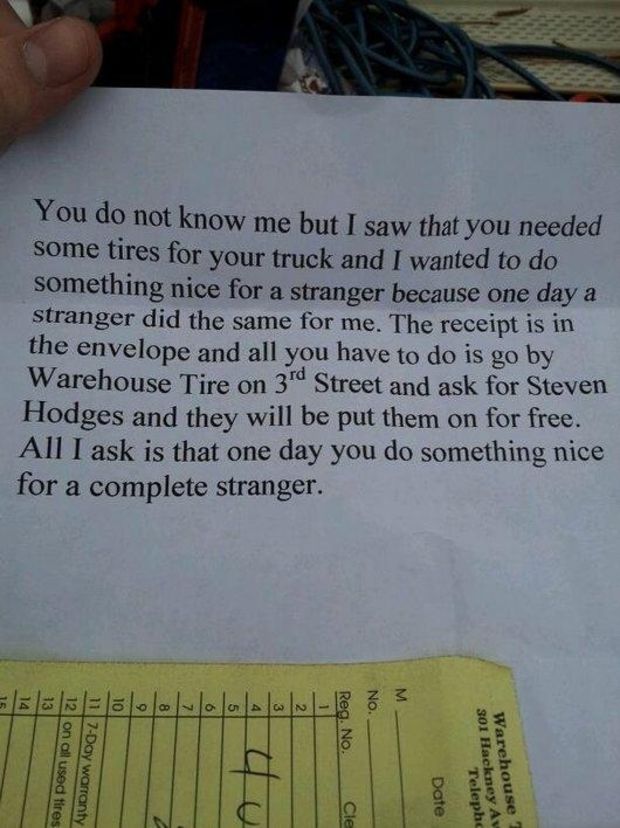
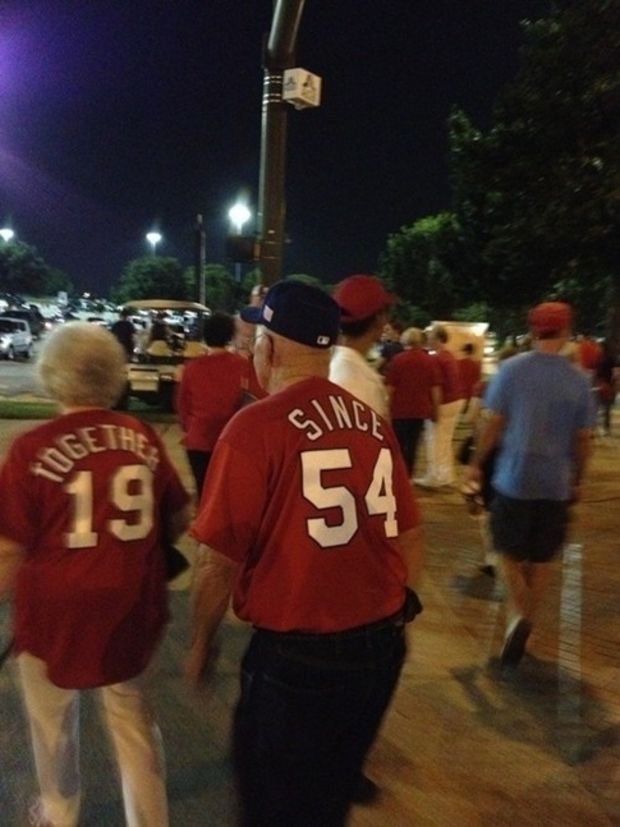
We are going to show you 29 pictures, each telling a positive and real story from around the world, so you can realize that there is A LOT MORE good out there:
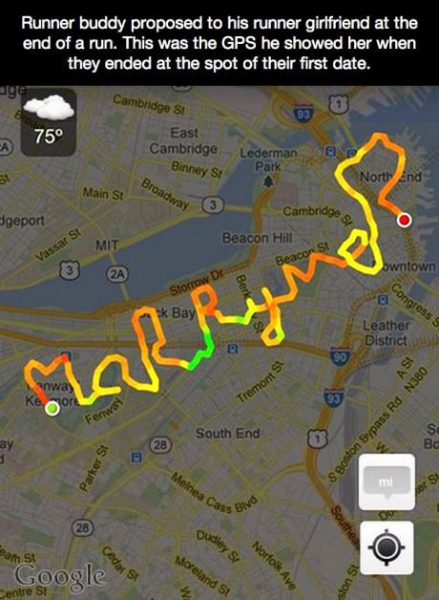
Stories like THIS where a runner asked his girlfriend to Marry Him
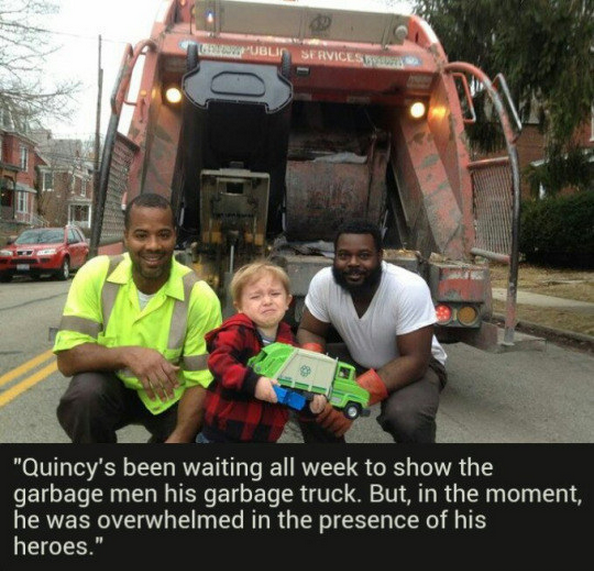
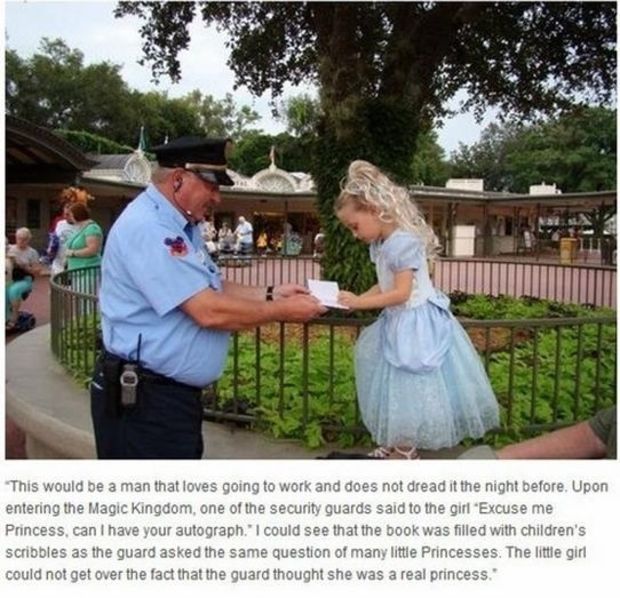
REAL Heroes are something the pure eyes of a child can see
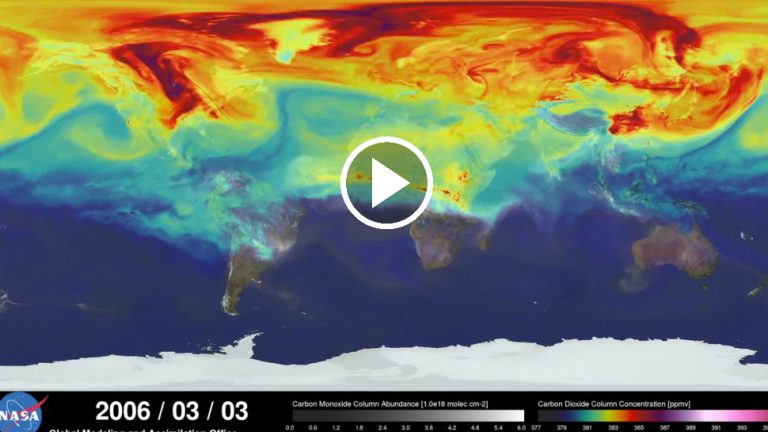
We tend to forget that each and every single action has a reaction. The fact that we dig up buried carbon and release it upon the atmosphere has a big impact on the world. We are conflicting the Natural balance because we want to power the engines of our machines with fossil fuel.
Now there is conspiracy and there is science. There is common sense and common logic that you can apply and test this for yourself. Just look at the charts of the temperature. They start to increase drastically EXACTLY when fossil fuel is firstly introduced to the world. Almost 99% of the scientists support this and they are not the types of people who agree with each other on most things.
The opening ceremony in Rio was nothing REALLY special but it had a beautiful message. We are born with nothing and we die with nothing, why don’t we make the time we are here filled with love, friendship and happiness. Why there is so much greed? Along this beautiful message they focused on honoring mother Earth and how we can improve the way we live on it. They reminded the world that climate change is very real and very serious by showing this video:
With part of the opening ceremony for the Rio Olympics focused on our planet, organizers found a way for athletes to leave their mark. As they entered the stadium, each received a seed and a cartridge to plant a native tree of Brazil. There were 207 species represented – one for each country in the Games. (source)
There will be an Olympic Tree growing created from the seeds of all contestants, formed by 207 different species each representing a country. Now this is a powerful metaphor we can learn from as human beings! ONE TREE uniting us all!
One report speaks of Choctaw and Navajo Native Americans who were sought to move stealthily through rough and dangerous terrain in conflict zones.
The enlisted recruits, who were well documented as having “outstanding, almost supernatural tracking abilities” were said to not perform as expected in the field, and when questioned about the failures in performance, “the older recruits replied consistently that when they received their required military haircuts, they could no longer ‘sense’ the enemy. They could no longer access a ‘sixth sense’, their ‘intuition’ no longer was reliable, they could not ‘read’ subtle signs as well or access subtle extrasensory information,”
The report claims that government testing institutes compared the behaviors and tracking performances of Native American trackers with and without long hair, they found that the long-haired subjects outperformed those whose hair had been cut in military fashion. The suggested theory was that the long hair might have behaved as an extension of the nervous system, as, not unlike the way cat whiskers transmit information to the cat on the prowl as it approaches prey, the long hair acted like a sixth sense. (source)
The hair on our body is the extension of the self. It is made out of keratin proteins and it is considered mostly as dead cells. However, it’s more how hair is connected to us than what it is made of. Hair is connected to tactile receptors in the skin that tell us that it’s cold or hot out, let us feel the slightest breeze, or the annoying bug that is about to bite us, serving as a protective warning device.
There is the fact that hair reacts when we experience intense emotions. When our hairs stand up on the back of our necks when we’re in danger or feel threatened (known as goose bumps, or horripilation), is that a reflex of something we detect with our other senses, an unconscious perception affecting the hair? Or is it our hair affecting us, sending us a warning?
Health is often gauged by the condition of the hair, and illness or stress can be detected if it changes its nature or even falls out. Hair has always been an indicator of age as well, by colour and texture, as well as by style.
There is a great legend in the Hebrew Bible that Samson, a Hercules-like figure with superhuman strength, was born a Nazirite with vows to abstain from wine, to have no contact with the dead, and to never cut a hair on his head. Nearly an undefeatable man—his superhuman abilities made him a powerful warrior, and he was able to rip lions apart—he did have a weakness which would lead to his undoing.
He fell in love with a woman (a Philistine, with whom the Israelites were at war) against the wishes of his parents. Delilah was tasked by her people to find out Samson’s weakness, so as to defeat the hero that was said to protect the Israelites.
Samson revealed to her that it is his long hair that preserved his power, and once he fell asleep Delilah shaved off his hair, breaking his vows. He awoke to find that his powers were gone, and he was quickly conquered by the enemy—his eyes were gouged out and he was made into a slave.
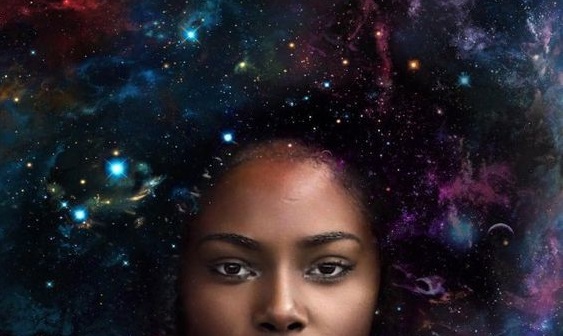
Of course, it is not known for sure if the hair is communicating to us as part of our nervous system. However, being an extension of the self, having the quality to increase intuition, and the fact that it is affected by intense emotion, hair certainly is a type of 6th sense we tend to neglect. We care more about the style of this ‘nerve extension’rather than its benefits and then, we whine about not having supernatural tracking abilities (I am kidding about the whining).
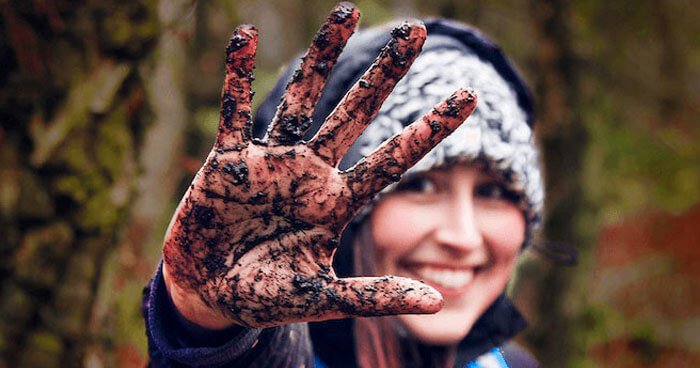
Playing in the dirt is not as bad as our parents told us when we were kids.
In fact, it may actually help us increase our immunity, remove anxiety and cure depression.
Scientists discovered that there are actual antidepressant microbes in soil. Mycobacterium vaccae is found in soil, and activates the release of brain serotonin. Serotonin and dopamine are two chemicals that boost our immune system and keep us happy. Both Dopamine and Serotonin are neurotransmitters, chemical messengers in the brain. Dopamine affects your emotions, movements and your sensations of pleasure and pain. In the brain, Serotonin regulates mood, social behaviour, libido, sleep, memory, and learning. (source)
Interestingly, 95% of our serotonin is manufactured in the intestines, not the brain; therefore some experts consider serotonin a hormone as well as a neurotransmitter. When you are gardening, M. vaccae is on your skin when you have your bare hands in the soil, you inhale it when you breathe, or it gets into your bloodstream through a little cut perhaps. (source)
The effects of the soil bacteria were discovered accidently by oncologist Dr Mary O’Brien. She created a serum out of the M. vaccae bacteria and gave it to lung cancer patients to boost their immune system. She noticed that another effect of the serum was that the patients felt happier, more vital, and they suffered from less pain.
Building on this, researchers Dorothy Matthews and Susan Jenks administered M. vaccae to mice and performed behavioral tests. Jenks says, “What our research suggests is that eating, touching and breathing a soil organism may be tied to the development of our immune system and nervous system.” They found that not only were the mice less anxious, they showed improved cognitive function by navigating a maze twice as fast as the ones that did not eat the bacterium. Matthews states “It is interesting to speculate that creating learning environments in schools that include time in the outdoors where M. vaccae is present may decrease anxiety and improve the ability to learn new tasks.” (source)
This being said, it doesn’t mean for you to go outside and start eating dirt. However, consider spending more time outside; consider gardening. If you have your own backyard it would be perfect if you spend a couple of minutes per day walking barefoot.
We try to detach from Nature forgetting that we are Nature. We need to reconnect with the “home” that we sprouted from. Scientifically seen, or spiritually, Nature benefits our well being if we create harmonious balance.
Pain is a part of life. You cannot escape feeling pain from time to time, be that emotional or physical. However, you can choose what the pain you experience will be for; for growing or for collapsing; what direction will you grow at.
Comfort keeps us safe from pain but it also keeps us “safe” from thriving! Whether you build muscles, you learn something new, or push your limits to become a better version of yourself, you will feel pain. Fear guards our comfort zone, it’s like the fence around our comfort. And sometimes we need to force ourselves through this ‘fence’ in order to be better!
It is said that when you go through hell, just keep going. Most of us panic and run back to the start to escape hell. But we end up always running away from the inner hell.
We have to go through in order to deal with it. In life there are moments with pain, but only if we face this pain we will learn the massage it has to tell us.
It’s like we are scared from the monster inside the closet and we don’t want to look, hear, or open the closet at any cost. We spend our lives running away from our inner pain.
We monsterized our pain and we dread it. But if we find courage to open the closet, to face our inner monsters, and to keep going as they try to scare us, we will realize the closet was empty all along.
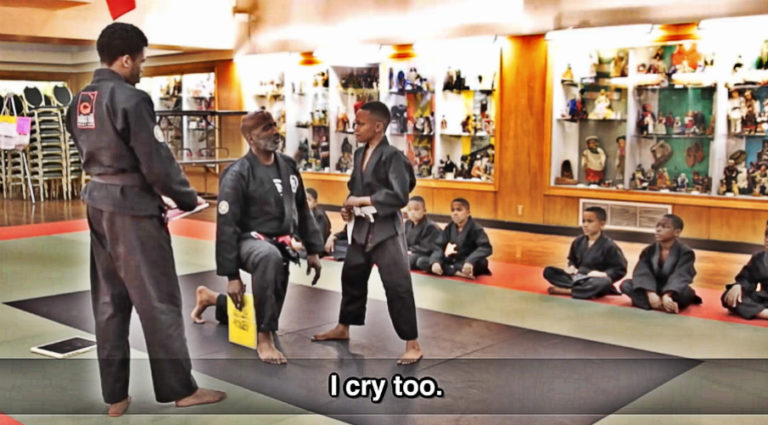
Just watch what this wise instructor tells his apprentice when he starts crying as he fears to punch through the pallet because of fear of pain.
It’s one of the most important lessons that every human needs to learn:
Don’t run away from your emotions. Go through them!
We are doing our part to try and spread the word about GMOs, (genetically modified organisms) but we’re not the only ones.
Multiple public figures, scientists and researchers have been speaking out about GMOs for a number of years. For example, not long ago a former Canadian Government Scientist at Agriculture Canada, Dr. Thierry Vrain (one of many) spoke out against GMOs.
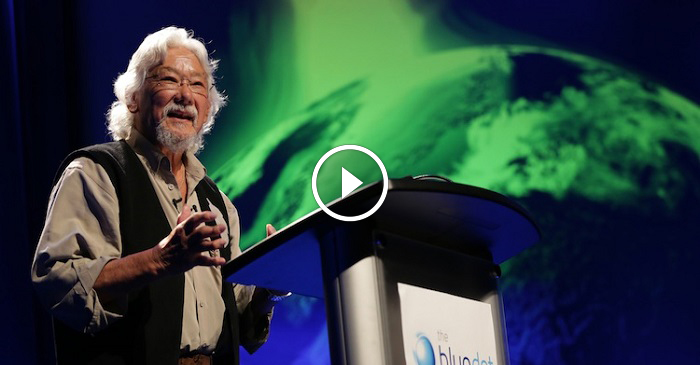
Another prominent public figure, Geneticist David Suzuki has been a long time advocate against GMOs, and has been speaking out about how they can be hazardous to human health as well as the environment.
Public figures with a wide audience can have a great impact on the consciousness of the masses, they are great ‘tools’ for waking more people up to the reality that GMOs can be harmful to human health as well as the environment.
It’s time to pay attention, do your own research and to question what you’ve been told. We can no longer trust branches of the government that deal with food and health, we must not take their word for it, it’s better if you actually look into it yourself rather than blindly believing what your are told.
In gearing up for the 2010 release of its super-genetically modified corn called ‘SmartStax’, agricultural-biotechnology giant Monsanto is using an advertising slogan that asks, ‘Wouldn’t it be better?’ But can we do better than nature, which has taken millennia to develop the plants we use for food?
We don’t really know. And that in itself is a problem. The corn, developed by Monsanto with Dow AgroSciences, “stacks” eight genetically engineered traits, six that allow it to ward off insects and two to make it resistant to weed-killing chemicals, many of which are also trademarked by Monsanto. It’s the first time a genetically engineered (GE) product has been marketed with more than three traits.
Canada approved the corn without assessing it for human health or environmental risk, claiming that the eight traits have already been cleared in other crop seeds — even though international food-safety guidelines that Canada helped develop state that stacked traits should be subject to a full safety assessment as they can lead to unintended consequences.
One problem is that we don’t know the unintended consequences of genetically engineered or genetically modified (GM) foods. Scientists may share consensus about issues like human-caused global warming, but they don’t have the same level of certainty about the effects of genetically modified organisms on environmental and human health!
A review of the science conducted under the International Assessment of Agricultural Knowledge, Science and Technology for Development in 2008 concluded that “there are a limited number of properly designed and independently peer-reviewed studies on human health” and that this and other observations “create concern about the adequacy of testing methodologies for commercial GM plants.”
Some have argued that we’ve been eating GM foods for years with few observable negative consequences, but as we’ve seen with things like trans fats, if often takes a while for us to recognize the health impacts. With GM foods, concerns have been raised about possible effects on stomach bacteria and resistance to antibiotics, as well as their role in allergic reactions. We also need to understand more about their impact on other plants and animals.
Of course, these aren’t the only issues with GM crops. Allowing agro-chemical companies to create GM seeds with few restrictions means these companies could soon have a monopoly over agricultural production. And by introducing SmartStax, we are giving agro-chemical companies the green light not just to sell and expand the use of their “super crops” but also to sell and expand the use of the pesticides these crops are designed to resist.
A continued reliance on these crops could also reduce the variety of foods available, as well as the nutritive value of the foods themselves.
There’s also a reason nature produces a variety of any kind of plant species. It ensures that if disease or insects attack a plant, other plant varieties will survive and evolve in its place. This is called biodiversity.
Because we aren’t certain about the effects of GMOs, we must consider one of the guiding principles in science, the precautionary principle. Under this principle, if a policy or action could harm human health or the environment, we must not proceed until we know for sure what the impact will be. And it is up to those proposing the action or policy to prove that it is not harmful.
That’s not to say that research into altering the genes in plants that we use for food should be banned or that GM foods might not someday be part of the solution to our food needs. We live in an age when our technologies allow us to “bypass” the many steps taken by nature over millennia to create food crops to now produce “super crops” that are meant to keep up with an ever-changing human-centred environment.
A rapidly growing human population and deteriorating health of our planet because of climate change and a rising number of natural catastrophes, among other threats, are driving the way we target our efforts and funding in plant, agricultural, and food sciences, often resulting in new GM foods.
But we need more thorough scientific study on the impacts of such crops on our environment and our health, through proper peer-reviewing and unbiased processes. We must also demand that our governments become more transparent when it comes to monitoring new GM crops that will eventually find their ways in our bellies through the food chain.
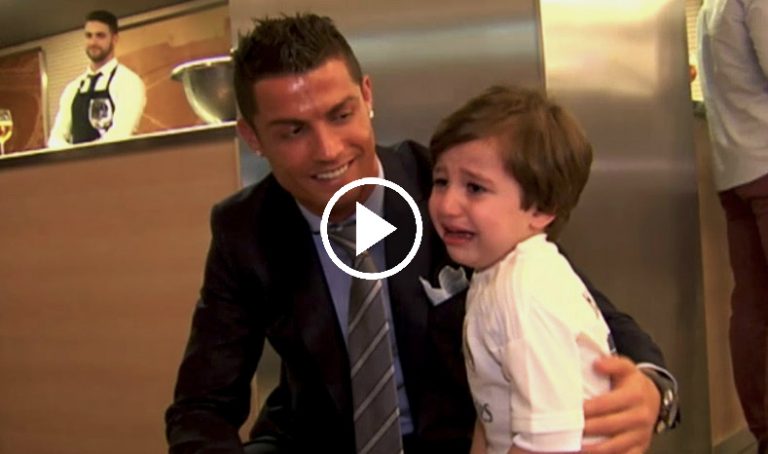
We all have our own heroes and idols, people who we look up to; who give us will and strength when things get tough. The first people to be our heroes are our parents; they give us life and show us how to live, they protect us and help us survive until we can stand firmly on our feet. When we see how they do all that we still can’t, we are amazed, we are in awe!
This Lebanese kid lost both his parents when a suicide bomber detonated a device in the Bourj el Barajneh suburb of Beirut. You can imagine how alone he feels, how lost he is in this strange wide world. Both of his primal heroes are gone. The legend of Football, Cristiano Ronaldo is one of his few heroes left. And exactly he comes to give this kid a little glimpse of hope!
“A hero can be anyone even a man doing something as simple and reassuring as putting a coat around a little boy’s shoulder to let him know that the world hadn’t ended.” – Batman