Drugs and alcohol are having a huge impact on people at present, and it’s so vital that people do reach out and get the help that they need.
Visiting a rehabilitation centre for treatment can be a landmark moment in someone’s life, and be the catalyst for a healthier and happier future.
For those that do enter recovery and choose a life of sobriety, it can start a new exciting chapter.
For many, this means doing things they’d always wanted to but never have due to the crux of substances.
Travel can often be high up a person’s priority list, enjoying new adventures.
But with that comes risk too, with travel being a step into the known and outside regular routine, which can be a trigger for relapse.
That said, there are plenty of tips out there from those that have enjoyed solo travelling sober and created a new found love for travelling…
4 Tips For Becoming A Sober Solo Traveller:
1. Go to destinations where alcohol isn’t prominent.
A good place to start is with the destination and essentially avoiding countries and cities where alcohol is prominant.
So, England, for example or Ireland, where much of the nightlife or social activities revolve around the pub.
The same can apply for Las Vegas too.
However, on the other hand, there are a wealth of countries where alcohol is far less prominent, particularly in countries where religion doesn’t allow consumption of it.
The likes of the UAE, Saudi Arabia and the Maldives are far less prominent, while you can also consider places like wellness spas worldwide, where they typically discourage alcohol consumption.
2. Keep your routine in place.
Wherever you are in the world, keeping the routine that helps you remain sober is a must.
Things like a good night’s sleep, meditation and any logging of thoughts and feelings are still important, particularly when impromptu stresses such as getting lost or losing baggage can happen at any time.
You need to make sure you use your calming exercises and take that time in the day to stick to your routine, even if it does potentially mean doing one less thing or getting out of the hotel a little later while on holiday.
3. Connect with AA elsewhere or keep your support network in place.
Similarly, just because you’re away it doesn’t mean support isn’t available.
Support networks online can be great while you’ll find Alcoholics Anonymous meetings all over the world.
The language barrier may be an issue, but ultimately having that feeling of support can be so useful.
Checking in regularly while you’re away is a good idea.
Commit to calling or Facetiming those who support you at set times each day, again adding routine and knowing that the help you need, even if it’s in terms of simply listening, is available to you.
4. Be planned and prepared.
Again, it’s making sure your days are structured that are really going to help.
Plan in your activities, and ensure free time is kept to a minimum, as ultimately this is where temptation could rear its ugly head.
By creating jam packed days, you’ll always be on the move enjoying yourself, get a better night’s sleep, and have something to look forward to the next day.
This can significantly reduce the risk of relapse, as well as making your trips vacations to remember…
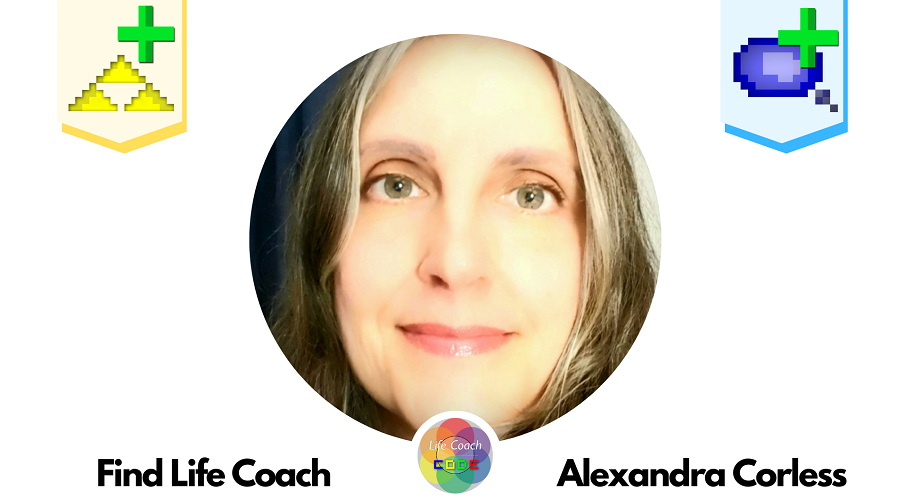
Alexandra Corless is one of the coaches that we found this month and we did a little interview with her. She impressed us with her expertise and skillset.
She was born into a dysfunctional family. When she was 13 years old she wanted to understand the Universe and our role in it as human beings. She wanted to understand the human condition and how she can help to make this world a better place.
Her journey wasn’t smooth, but along the way she worked out how to heal herself and build lasting supportive relationships. All her visions came to fruition and now is the time for her next vision, to share and apply her knowledge with as many people as possible. She strongly believes that we can shift reality, if we really want to.
She ensures a comprehensive and personalized approach. Clients who have experienced her guidance often find themselves transformed, gaining energy, confidence, clarity, and a deeper understanding of their relationships. As they journey towards becoming the best version of themselves, old, unhelpful patterns fade into distant memories, making way for a lighter, happier, and purpose driven life.
Meet Life Coach Alexandra Corless:
Name: Alexandra Corless
Pillar: The Spirit, The Mind
Who is this coach for: Anyone who wants to find the root cause of their problems, heal, and become the best version of themselves.
How they can help: Through identifying and replacing negative beliefs, and by using various coaching techniques and tools like guided meditation and visualisation, genealogical, past self and future self work, inner child work, breath work, energy work, just to name a few.
First of all, how are you and your family doing after these Pandemic times?
My family and I have been lucky, our lives have not been affected.
Nothing has changed for us.
But the stress of the events left its mark in our psyche.
We feel for all who have lost family members or their livelihoods.
How did the coronavirus pandemic affect your clients? Did it affect you at all?
I started my trauma informed coaching business shortly after the pandemic because there was such a great need for help.
People have been shocked, overwhelmed and super stressed.
The effects of the pandemic have been a driver for me to learn to understand the power of emotions and how we can use them to turn things around, spiral up again, so to speak.
What are the biggest lessons that you learned in this pandemic?
My biggest lesson that I learned in the pandemic was handling fear.
Fear wants to protect us, it has an important task in our life.
But it can grow into a highly destructive monster.
The more conscious we become and understand the mechanisms of our emotions, the less power they have over us and we become empowered instead.
The Origin:
Tell us about you, your career, how you started with your coaching career?
Since more than 30 years I am into spiritual healing.
I always had an open ear and deep understanding for people.
It grew into a passion.
I certified in different modalities to backup my talent and be able to guide clients through profound transformations in all areas of their life.
When I realized that people need more than just healing I became a coach to help my clients to create a successful and fulfilling abundant life from within through aligned action.
What was your biggest obstacle that you had to overcome in your life that made you who you are today?
My biggest obstacle was forgiveness.
I needed to learn to let go of the past.
There is a lot of emotional energy trapped, that re creates the same old patterns in life.
Opening the heart again is so important if you want to enjoy life and create a better future.
With not forgiving and not letting go we punish our selves.
There are tools that can help to gain a deeper understanding and let go with more ease.
The Coaching Style:
How do you innovate with coaching your clients?
I support my clients with resources and in between session care via chat coaching.
I am about to create a private Facebook group to deliver valuable teachings in addition to the one on one video call coaching sessions.
What’s unique about your coaching approach?
My Coaching approach includes all levels of the human being.
There are different names for it, unconscious mind, the soul, higher Self, Spirit but also the sensations in the physical body, the nervous system.
I help my clients to embody their Soul Spirit, integrate orphaned parts but also integrate beneficial energies and build capacity in a safe space.
What benefits do your clients get after working with you?
Clients who have worked with me often can’t remember why they came in the first place.
All that did not serve them anymore became just a faint memory.
They have more energy, confidence, self esteem, clarity, are healthier, are purpose driven, have deeper understanding of their relationships and deeper connection, career paths open up and money blocks were cleared.
They feel lighter and happier, unhealthy habits and coping mechanisms dissolve naturally, goals are much easier to achieve.
On this healing journey they truly become the best version of them selves.
Do you use any specific tools to be efficient with your clients?
I use a broad mix of tools to support my clients according to their needs.
It includes testing and transforming of limiting beliefs, guided meditation and visualisation, genealogical, past self and future self work, inner child work, breath work, energy work and more.
To transform the root cause of the underlying issue with somatic processing is very powerful.
The manifestation part includes Akashic records readings around a certain goal.
The Impact:
If you had a super megaphone that, when you speak into, the whole world will hear your message, what would you say?
I would like everybody to hear that they are powerful creative beings.
That subconscious believes, stuck emotional energies and unfulfilled needs hold them back to live the life’s they are supposed to have.
What is the greatest lesson you have learned in your life?
My greatest lesson in my life was that connection, presence and love are essential for healthy inner growth.
Without these human needs fulfilled, it is much more difficult to cope with life and relationships.
Somehow there are people who have no need for it anymore, reject it, or maybe they never had it.
They act like robots.
They also have no concept of compassion.
Sadly at the moment there is not much we can do to help them heal.
Maybe if they strongly wanted to.
Your final thoughts?
We have to take care of all our bodies to be healthy, vital and successful in our precious lifetime.
And like a child, enjoy being alive.
Where Can You Find Alexandra Corless?
If you liked this interview and you would love to connect with Alexandra and see how she can help you find the root cause of your stuckness in life and help you heal and overcome it, go to www.alexandracorless.com and find your next step.
If you’d like to connect more personally with her, go to www.linktr.ee/alexandracorless and find your ideal channel to reach her, or send her a direct message on her Email [email protected]. It was an honor having this interview with her.
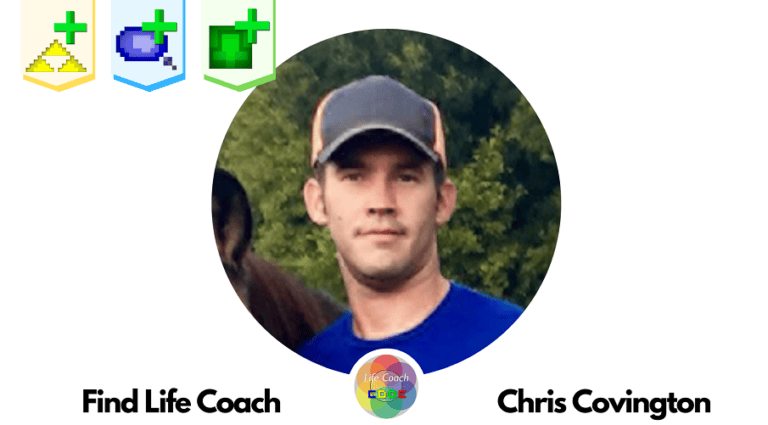
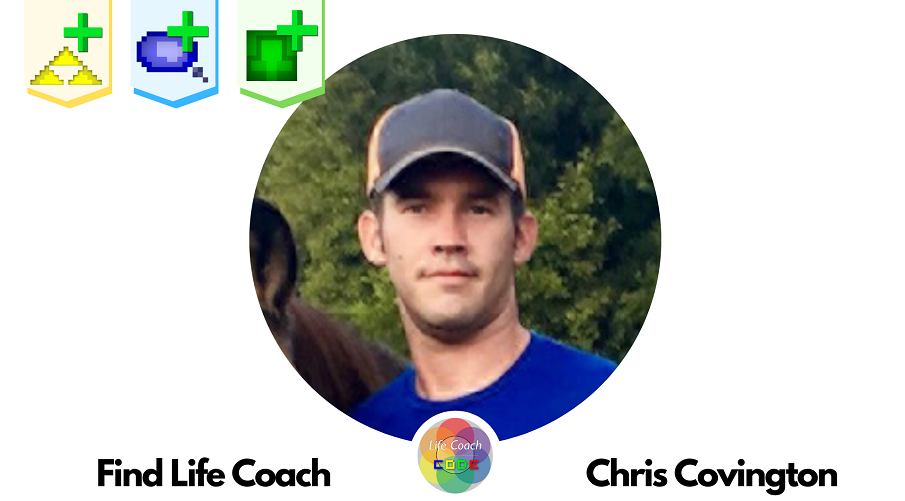
Chris Covington is one of the coaches that we found this month and we did a little interview with him. He impressed us with his strength of character and dedication.
He is a seasoned professional who always had passion for helping people find their purpose and life more aligned with their best selves. From mental health to sports teams, corporate organizations, and non profits, his journey of helping has spanned over 15 years.
His passion for helping individuals unlock their potential has evolved into a career dedicated to fostering holistic well being. Beyond his professional endeavors, he embarked on a personal odyssey, overcoming health challenges that could have derailed his path. Battling a debilitating back condition, he defied conventional recommendations of surgery and injections, opting for a holistic approach that centered on nutrition, exercise, and supplements.
He is “a genuine country boy” whose coaching approach reflects transparency and a commitment to kindling his clients’ passion, purpose, and future. For those who engage in person, the integration of horses and other equine companions adds a profound dimension to the coaching, offering authentic feedback that illuminates unexplored areas. He doesn’t just offer coaching, he provides the tools to help individuals create the lives they were meant for.
Meet Life Coach Chris Covington:
Name: Chris Covington
Pillar: The Spirit, The Mind, The Body
Who is this coach for: Anyone who wants to heal, strengthen their body and mind connection and optimize their life around their purpose.
How they can help: Through various coaching methods, techniques, and tools, sometimes using horses as guides for in person coaching.
First of all, how are you and your family doing after these Pandemic times?
We have been very blessed to maintain a healthy mindset and the pandemic emphasized the need for us to take control of the things that are truly within our control and to release the fear of “what if”.
How did the coronavirus pandemic affect your clients? Did it affect you at all?
I felt the greatest impact to my clients was a significant disruption to connection.
While zoom communication ramped up, our need for authentic and healthy relationships failed to be met.
We saw a significant increase in poor nutrition, limited exercise, aversion to getting outdoors and connecting with nature and most importantly a fracturing of family and friends due to what appeared like polarizing perspectives.
What are the biggest lessons that you learned in this pandemic?
I think that the greatest lesson that I have learned would be that I have to take responsibility for my health and my life, because no one else is responsible or can save me from the unhealthy choices I make in my life.
The Origin:
Tell us about you, your career, how you started with your coaching career?
I have been passionate about helping people to develop their strengths, and embrace their purpose for as long as I can remember.
I have worked with families, children, parents, and individuals in the field of mental health, as well as, sports teams, corporate and non profits organizations in the team building industry for over 15 years.
Over the course of the past few years I have been on my own journey to achieve an optimal mind, body and spirit and reconnecting with my purpose.
And I believe God is calling me to walk a new path as a health and life coach as I continue to purse my purpose of helping others to attain the life they were meant to live.
What was your biggest obstacle that you had to overcome in your life that made you who you are today?
I would consider my battle with my health to be one of the most significant experiences that has impacted the man I have become.
I had suffered for several years with back pain and had developed a bulging disc and two degenerative disc which led to intense pain that would leave me hunched over on a cane just struggling to accomplish my daily tasks.
I was encouraged to consider steroid injections and back surgery from several health care professionals multiple times but I was determined to find another way.
The pain finally increased to the point that I knew something had to change and I decided to explore the impact that nutrition, exercise and supplements might have on my back.
Over the last 7 years, I have been on a mission to explore any research I could find and listen to any health professionals who were focused on a holistic approach to healing and I have been able to reach a greater level of health than I have experienced in the past 20 years.
My hope is that I can help others to achieve their goals and pursue a growth mindset that allows them to explore every healthy approach to accomplishing their goals.
The Coaching Style:
How do you innovate with coaching your clients?
I have had the privilege of working with horses over the past 15 years and learning through my experience with my herd to develop simple and healthy habits that elicit powerful and effective results.
Healthy connection, challenge and change which leads to optimizing health, relationships and purpose.
What’s unique about your coaching approach?
I am an authentic country boy, what you see is what you get.
We all can need someone to come along and light a fire under us from time to time and I am committed to helping you spark your passion, ignite your purpose and shape your future.
What benefits do your clients get after working with you?
A deeper understanding of mind body connection and the tools to create the life you were meant for.
Do you use any specific tools to be efficient with your clients?
For our clients who choose in person coaching we often see significantly deeper and more rapid progress when we engage our horses in coaching experience.
Receiving genuine and authentic feedback from our equine team can shine a bright light on the areas that we may be unaware of or avoiding.
The Impact:
If you had a super megaphone that, when you speak into, the whole world will hear your message, what would you say?
You only have one body… strengthen it.
You only have one mind… sharpen it!
You only have one life… optimize it!
What is the greatest lesson you have learned in your life?
To be a seeker of truth and to advocate for myself.
There are so many opportunities available to us today to learn and grow and I won’t take that reality for granted.
Your final thoughts?
Life is full of opportunity when we drown out all the noise and focus on our strengths.
If you are ready to take the next step towards the life that you meant for, then I’m ready to help you achieve it.
Where Can You Find Chris Covington?
If you liked this interview and if you would love to heal, strengthen your body and mind connection and optimize your life, go to https://www.lifeforgedcoaching.com/ and find out how Chris can help you achieve that.
If you’d like to connect personally with him, you can do that through LinkedIn or by sending him a message on his Email [email protected]. It was an honor having this interview with him.
Dr. Layne McDonald is one of the coaches that we found this month and we did a little interview with him. He impressed us with his dedication and wisdom.
He is one of the most unique coaches we have ever interviewed. Driven by a passion cultivated in the cinematic realms of filmmaking and the evocative landscapes of music, he found his calling as a coach, orchestrating a crescendo in a life rich with varied chapters. Armed with dual Ph.D.s in Administration and Management, as well as Communications and Film, he defied societal labels that sought to confine him to the realm of ‘creative.’
He embarked on an uphill journey, integrating an analytical and strategic mindset into his inherently artistic nature. As he aptly puts it, “Our greatest glory is not in never falling, but in rising every time we fall.” Every setback became a stepping stone toward a more refined version of himself.
His clients, after the symphony of his coaching, emerge not only enriched professionally but transformed personally, becoming beacons of wisdom and courage that illuminate boardrooms, communities, and the world at large. Here is what he said.
Meet Life Coach Dr. Layne McDonald:
Name: Dr. Layne McDonald
Pillar: The Spirit, The Mind
Who is this coach for: For people who want to become leaders and catalysts of societal transformation.
How they can help: Through various coaching tools and techniques like Psychometric assessments, SWOT analyses, blue ocean strategies, and asking deep questions that invoke deeper thoughts and self reflection.
First of all, how are you and your family doing after these Pandemic times?
We’re resilient and grateful, each day weaving a new narrative of hope and survival.
It’s like a harmony of melodies in a complex musical composition, each note crucial, each rhythm vital.
As Michael J. Fox profoundly said, “Family is not an important thing. It’s everything.”
We have not just survived this pandemic, we’ve thrived, gaining new perspectives on love, unity, and the irreplaceable worth of human connection.
How did the coronavirus pandemic affect your clients? Did it affect you at all?
The pandemic unearthed vulnerabilities but also presented opportunities for courage.
Many of my clients faced seismic shifts in their operational paradigms, from layoffs to a complete transition to remote work.
But every challenge is a cover story for opportunity.
“Be the change you wish to see in the world,” Gandhi advised, and that’s what I focused on… mental wellness, resilience, and leading through a prism of empathy and human first ideologies.
What are the biggest lessons that you learned in this pandemic?
This pandemic reinforced the irreplaceable value of human connection and flexibility.
I understood that “Success is not final, failure is not fatal, It is the courage to continue that counts”, as Winston Churchill astutely noted.
It’s not just about sailing through calm waters but steering the ship deftly even when the sea is rough, maintaining the cargo of hope and human connection intact.
The Origin:
Tell us about you, your career, how you started with your coaching career?
With roots deeply embedded in the cinematic landscapes of filmmaking and the soul stirring terrains of music, my journey to becoming a transformative coach was a crescendo, a climax in a life rich in varied experiences.
My dual Ph.D.s in Administration and Management, as well as Communications and Film, acted as bridges to connect my creative and analytical selves.
I started coaching to create leaders who are not merely figures of authority but harbingers of empathy and catalysts of societal transformation.
What was your biggest obstacle that you had to overcome in your life that made you who you are today?
Society often tries to pigeonhole us, and my initial label was that of a ‘creative.’
It was an uphill battle to earn my dual Ph.D.s and integrate an analytical and strategic mindset into my inherently artistic nature.
As Confucius said, “Our greatest glory is not in never falling, but in rising every time we fall.”
I’ve taken every fall, every setback, and every challenge as a stepping stone towards a better version of myself.
The Coaching Style:
How do you innovate with coaching your clients?
My coaching style is like jazz, structured improvisation.
Utilizing elements of storytelling from my filmmaking background, I blend them seamlessly with blue ocean strategies and emotional intelligence.
As Steve Jobs said, “Innovation distinguishes between a leader and a follower.”
I am on a mission to transform followers into leaders who redefine norms and shatter ceilings, not just in profitability but in humanity and love.
What’s unique about your coaching approach?
My approach to coaching is akin to alchemy, transforming base metals into gold, except here, the base metals are untapped human potentials.
I instill a paradigm shift from mere problem solving to life transforming, weaving a tapestry of holistic development and empathetic leadership.
What benefits do your clients get after working with you?
My clients undergo a transformation that transcends professional enrichment, they undergo a metamorphosis in personal growth and societal impact.
They become lighthouses, their rays of wisdom, empathy, and courage illuminating not just boardrooms but also communities and, ultimately, the world.
Do you use any specific tools to be efficient with your clients?
Psychometric assessments, SWOT analyses, blue ocean strategies, these are the nuts and bolts in my toolbox.
But the most potent tool is active, empathetic listening, the key to unlocking the vast potentials that often lie dormant in the human soul.
Just as a painter needs a canvas or a filmmaker needs a screen, my ‘art’ of coaching requires a space of genuine, open dialogue.
My expertise and methodologies are merely the brushes, the true masterpiece is co created through active partnership with my clients.
I am profoundly influenced by the Socratic method, asking questions that invoke deeper thought, self examination, and ultimately self discovery.
The Impact:
If you had a super megaphone that, when you speak into, the whole world will hear your message, what would you say?
“Choose love, always.
Choose to be the ember that sparks a fire of positive change, the drop that instigates an ocean of goodwill.
Choose to be more than just another face in the crowd, be a soul, be a beacon, be the change.”
What is the greatest lesson you have learned in your life?
The Bible’s profound wisdom of “Love thy neighbor as thyself” is the cornerstone of everything I strive for.
Whether it’s filmmaking, music, or leadership coaching, every narrative I write, every chord I strike, and every strategy I devise is wrapped in this blanket of unconditional love and acceptance.
Your final thoughts?
Life is a narrative, a composite of myriad stories we tell ourselves and others.
But perhaps the most potent stories are those that invoke change, not just in us but in the world.
As Tony Robbins wisely put it, “The only limit to your impact is your imagination and commitment.”
I extend an open invitation to everyone reading this: Let’s co author a narrative that could redefine not just individual lives but the ethos of communities, industries, and perhaps, humankind.
Where Can You Find Dr. Layne McDonald?
If you liked this interview and you would love to become a heart centered leader go to https://www.laynemcdonald.com/ and see how Dr. Layne can help you.
For visual learners and those intrigued by the nuances of interpersonal connection, watch his videos where he synthesizes intellect and emotion into an art form. You can find them at the same site.
If you’d like to connect with him more personally, you can do that through LinkedIn or by sending him a message on his Email [email protected]. It was an honor having this interview with him.
Working remotely introduces new stressors like reduced social contact, communication challenges, technology headaches, blurred home and work boundaries, and ergonomic issues.
However, some mindset and habit adjustments can make home based work energising rather than exhausting.
Here are 20 pretty straightforward ways to combat stress as you work remotely…
20 Easy Tips To Manage Stress While Working At Home:
1. Define Your Goals Each Day
Without the structure of an office, regularly ask yourself “what are the most important outcomes that need to be achieved today“, and assign realistic priority tasks accordingly.
Having clear daily objectives and ticking off goals provides a sense of order amid the potential chaos of distractions at home.
2. Make A Dedicated Workspace
Trying to work from bed or a couch gets uncomfortable fast, causing burnout and aches.
Set up a proper workstation with an ergonomic chair at a kitchen or dining table allowing space to spread out devices comfortably.
Keep your setup consistent day to day.
Don’t contort yourself makeshift.
3. Start And End Days With Uplifting Routines
Bookend stressful desk sessions with comforting rituals easing transitions into work mode and signalling relaxation at day’s end.
Perhaps play energising music to begin while closing out crunching numbers by getting fresh air on a favourite podcast.
Custom comforts lift the mood.
4. Find Digital Tools For Common Tasks
Leverage handy technology to make home based work efficient like: video conferencing, file sharing, brainstorming whiteboards, virtual pin up boards, and time tracking widgets that are reducing tedious tasks.
Building little time savers gradually adds up to less stress.
For example, converting a PDF to Word doc is the kind of thing that shouldn’t be a hassle.
You can find tools to help take the headache out of this task.
Smallpdf offers quick conversion without email, and you can convert on any operating system.
They can help you to save time and keep those stress levels down.
5. Build Physical Microbreaks Into Your Day
Rest your body and mind by incorporating brief five minute breaks between intense activity blocks: stretching away from your desk, grabbing tea, or just staring out a window.
Short pauses to change focal length relieve eye and mental strain promoting endurance versus dragging by afternoon.
6. Leave The House Each Morning
Preserving some separation between work and off hours keeps home from feeling like just one endless extension of the job site.
Take a quick stroll outside before sitting down or at lunch.
Without bumping into co workers casually to vent or banter, independent workers feel siloed easily, escalating anxiety.
Set up occasional video coffees, virtual lunches or after work team chats allowing natural conversations unrelated to projects.
Human check ins beat isolation.
8. Set Firm Boundaries Around Availability
Establish work hours you stick to except in emergencies, and mute distracting incoming communications like email notifications beyond those times.
Pushing back against demands encroaching on off duty life prevents burnout and resentment over infringed personal time.
9. Use A Separate Browser For Non Work Sites
Designate a web browser solely for accessing social media, shopping sites and other personal pages.
Using distinct apps compartmentalises worlds preventing immersed work from constantly being side tracked by distraction tabs a click away from the same browser.
10. Leverage Smart Home Devices For Reminders
Have Alexa, Google Nest or Siri set audible reminders for routine home office tasks like sending progress reports and syncs you might forget without visual prompts.
Voice assistants integrate calendars, to do lists and alarms keeping you responsively on track.
11. Assign Challenging Priorities Early
Tackle mentally taxing projects requiring deep focus early when energy and motivation run highest, before drained handling a stream of messages.
Use mornings for strategic priorities, creative work, and tough decisions without the distractions you’ll face midday.
12. Build Regular Movement Into Your Day
Between back to back video calls, it’s easy to remain sedentary for hours straining your body.
Little movements make sitting for extended periods less taxing in the long term.
13. Play Ambient Background Sounds
Reduce noisy construction sites or traffic interruptions hindering concentration with apps generating customisable ambient noise like the rainfall that promotes absorption in tasks without blaring distractions.
Calming water sounds increases productivity.
14. Encourage Clients To Schedule Calls
Unplanned interruptions disrupt remote work rhythms and thinking momentum.
Ask clients to calendar meeting times so you allocate attention appropriately and don’t burn out multi tasking.
Batching appointments also minimises disruptive context switching between various requests.
15. Designate An Office “Closing Manager”
To avoid overworking without hard stops, assign someone like your child, partner or chatbot to alert you when it’s late and insist equipment gets powered off so you detach fully.
Having a designated office “closer” overrides your tendency to endless work given home proximity.
16. Set Mini Deadlines Throughout Days
Self imposed mini deadlines build task urgency, create a sense of progress, and prevent spiralling anxiously over a long list of everything that must eventually get done today.
Give yourself attainable hourly targets that need to be checked off even if arbitrary.
Forward motion calms.
17. Curate Wardrobe Elements That Lift Your Mood
Gather favourite house clothes bringing comforts like oversized jumpers, vibrant scrunch socks and quirky slippers.
Keep an arsenal of spirit lifting comforts nearby for slipping into when video calls end providing reliable pick me ups out of professional attire.
18. Define Your Productive Hours
Determine when you operate optimally: are you an effective early bird, night owl or afternoon focuser?
Align your most taxing responsibility blocks like strategizing new campaigns to high energy spans when you comfortably get in the working flow.
Schedule less brain taxing admin tasks opposingly.
19. Build An Inspiration Board Near Your Desk
Surrounding your workspace with motivating quotes, celebratory cards, or artwork you find uplifting reinforces the purpose of staying diligent on those tough remote days.
Visual prompts affirm why you work hard and what brings meaning when energy flags.
20. Work with a Productivity Coach
Remember that even though you might feel isolated at home, you are not alone.
There are many people working and managing their businesses from home.
However, the tempo of working from home might differ and it might impact your productivity.
That’s why it’s smart to hire a productivity coach to help you maximize your potential while working from home.
While remote work necessitates more proactive stress management, small habitual additions like healthier buffers around working hours, frequent movement breaks, ambient soundscapes and visual motivators make home offices healthier and more inspiring places to pencil push productively.
Active listening is a powerful communication skill that can significantly enhance relationships, understanding, and collaboration in both personal and professional settings.
Many people like to speak, but only those who know how to listen can truly influence their surroundings.
This powerful social skill can turn tides even in the most tense conflicts, and the good news is that it can be learned.
De escalation training, for example, focuses on lessons on how to use active listening to your advantage and interpret meanings, solve conflicts, increase empathy, and use it for personal growth as well. Learn more here.
Let’s explore some key points about active listening and the benefits of communication skills training in the workplace:
8 Ways Active Listening Can Enhance Your Communication Skills and Impact Your Life:
Active listening is a communication technique that involves fully focusing on and comprehending the speaker’s message.
It doesn’t involve only listening to a speaker’s words, but also giving them undivided attention, interpreting meaning, and demonstrating engagement through verbal and nonverbal cues.
This skill can help individuals better understand the speaker’s thoughts, feelings, and perspectives.
By actively listening, individuals can gather information more accurately, which will help avoid misunderstandings and escalating conflicts, and respond in a more informed manner.
1. Enhanced Relationships
Active listening can help to build trust, empathy, and rapport between individuals.
When people feel genuinely heard and understood, it fosters stronger connections and healthier relationships.
This is particularly valuable in team environments, where collaboration and cooperation are essential.
2. Conflict Resolution
There isn’t a better skill for effective conflict resolution than active listening.
Conflicts can be de escalated and resolved more effectively when one listens actively and non judgmentally to all parties involved.
Active listening helps create an environment where all perspectives are heard and considered, leading to more satisfactory outcomes.
This can be used to de escalate conflicts with both work colleagues and customers alike.
Many conflicts reach extreme heights, sometimes including workplace violence, which can lead to costly legal procedures.
It’s easier to have your state of mind contaminated by another’s emotions.
However, with active listening, you can learn to differentiate between your feelings and those of others and work towards finding common ground and solving the issue.
3. Increased Empathy and Emotional Intelligence
The interesting aspect of active listening is that it allows individuals to harness their other social skills.
For example, this skill cultivates empathy, enhancing it, which is the ability to understand and share the feelings of others.
Active listening promotes emotional intelligence by encouraging individuals to be more attuned to the emotions and needs of those around them.
This can improve teamwork, better leadership, and a more positive work environment.
4. Clearer Communication
The paradox of active listening is that although it is a skill that requires the receiver to pay more attention to a speaker’s message, it also helps individuals better express their thoughts and ideas.
By understanding the speaker’s perspective fully, active listeners can tailor their responses and communicate in a manner that is clear, concise, relevant, and respectful.
This leads to more effective and efficient communication in all aspects of life.
5. Conflict Prevention
By actively listening to colleagues or customers, one can address concerns early on, and this is where communication skills training can help prevent conflicts from escalating in the workplace.
Proactive listening and open communication channels contribute to a positive work environment where issues can be addressed rather than thrown under the rug.
It promotes a culture of solving issues on time before they become major sources of conflict.
6. Leadership Development
Communication skills training, which includes active listening as a main core skill, is particularly beneficial for workplace leaders, supervisors, or managers.
Effective leaders who actively listen to their team members demonstrate respect, build trust, and create an environment that encourages open dialogue and innovation.
Such leaders are better equipped to understand employee needs, provide constructive feedback, and make informed decisions.
7. Increased Productivity and Collaboration
When employees practice active listening, it directly improves teamwork and collaboration.
Clear and effective communication leads to fewer misunderstandings, enhanced problem solving, and increased productivity for all team members alike.
By fostering a culture of active listening, organizations can create a more harmonious and efficient work environment that will also boost brand image and employee retention, which can save a company a lot of funds as well as foster new collaborations or garner investors.
8. Personal Growth and Development
Communication skills training provides individuals with valuable tools for personal growth and development.
Active listening skills can be applied not only in the workplace but also in personal relationships, leading to improved communication and understanding in various aspects of life.
Because of this, such a skill can be considered essential regarding one’s overall enjoyment and happiness.
Communication skills training that teaches active listening can benefit employees and workplace leaders by enhancing understanding, fostering collaboration, and creating a positive and productive work environment.
These skills contribute to effective communication, conflict resolution and de escalation, and personal growth, ultimately leading to improved individual and organizational outcomes.
If you want to boost your communication skills and learn more about active listening, consider seeking out a professional trainer or organization.
You can find a lot more skills and techniques that can improve your life or the life of your clients within our free coaching techniques encyclopedia.
Jamie Baburek is one of the coaches that we found this month and we did a little interview with her. She impressed us with her wisdom and professionalism.
She is a seasoned coach and Licensed Clinical Professional Counselor based in Maine. With a client centered and strength based philosophy, she not only offers coaching but infuses it with a touch of cheerleading, creating a holistic and uplifting experience.
Her journey into coaching began as a Licensed Clinical Professional Counsel and Certified Clinical Supervisor, bringing a rich background in mental health to her practice.
She has a unique approach to coaching. What sets her apart is her eclectic and out of the box thinking, incorporating diverse expressions such as art, dance, and music into her coaching methodology. Here is what she said.
Meet Life Coach Jamie Baburek:
Name: Jamie Baburek
Pillar: The Mind, The Heart
Who is this coach for: Anyone who wants to become a more confident person and learn the ablity to change their perspective so they can unstuck and move forward with grace and ease.
How they can help: Through various coaching methods, techniques and tools, like the wheel of life.
First of all, how are you and your family doing after these Pandemic times?
The past few years have been tough for everyone.
My family and I are all safe and healthy.
How did the coronavirus pandemic affect your clients? Did it affect you at all?
Absolutely.
A theme with my clients was Imposter Syndrome and increase in anxiety.
Personally, it significantly increased my anxiety, which I’m continually working to control through mindfulness and grace.
What are the biggest lessons that you learned in this pandemic?
Be kind. Give people grace. Connection is key.
The Origin:
Tell us about you, your career, how you started with your coaching career?
I am a Licensed Clinical Professional Counsel and Certified Clinical Supervisor in the state of Maine.
I take a client centered, strength based approach to my services which includes not only coaching but cheerleading!
What was your biggest obstacle that you had to overcome in your life that made you who you are today?
The loss of my grandmother.
She was a pillar to her community, a coach, a confident, the most kind hearted woman.
The Coaching Style:
How do you innovate with coaching your clients?
Music is a big inspirational motivator… Lizzo, Beyoncé, Taylor Swift, Ludacris.
What’s unique about your coaching approach?
I am eclectic and think outside the box.
I use expressions (art, dance, music).
What benefits do your clients get after working with you?
Increased self confidence, ability to change their own perspectives on situations.
Do you use any specific tools to be efficient with your clients?
I love using the wheel of life with my clients. It allows us to gauge where they are at in different life domains.
The Impact:
If you had a super megaphone that, when you speak into, the whole world will hear your message, what would you say?
Everyone pause, take a deep breath, think of something you’re thankful for, exhale, and be kind humans.
What is the greatest lesson you have learned in your life?
Grace by grace. You give grace, you will receive it in return. Also, this too shall pass.
Your final thoughts?
Nothing to add.
Where Can You Find Jamie Baburek?
If you liked this interview and if you would love to become a more confident person, with a unique ability to change your perspective so you can move forward with grace and achieve your goals with ease, go to SoulTherapyAndHolisticHealingServices.org and see how Jamie can help you.
If you’d like to connect more personally with her, you can do that through LinkedIn, Instagram, Facebook, or by sending her a message on her Email [email protected]. It was an honor having this interview with her.
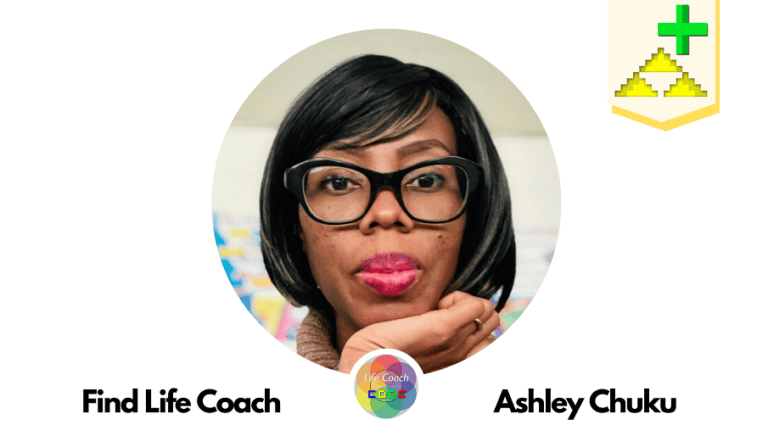
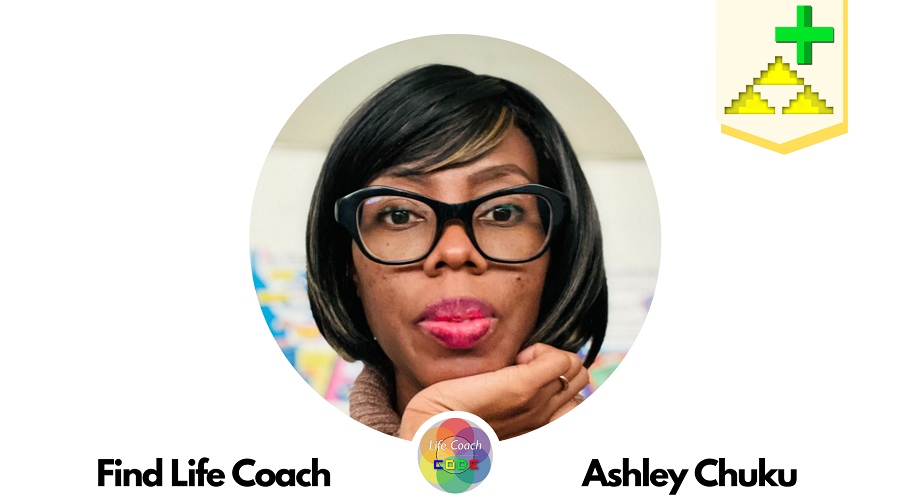
Ashley Chuku is one of the coaches that we found this month and we did a little interview with her. She impressed us with her courage and wisdom.
Her coaching career emerged from a pivotal moment in her life when she grappled with feeling lost and mired in depression. Through a profound journey of faith, self discovery, and purpose, she not only rescued herself but discovered a unique calling: to guide others toward their best lives and equip them with the tools to lead a joy filled, depression proof existence.
She emphasizes her identity as a Christian Coach, utilizing time tested spiritual principles as the foundation for guiding her clients.
Her innovative approach is reflected in her confidence in a system that consistently works, and she employs her ‘LOL’ transformational system to efficiently bring about positive change in her clients’ lives. The tangible benefits she promises her clients include an unsinkable life marked by purpose, joy, fulfillment, and stability.
Meet Life Coach Ashley Chuku:
Name: Ashley Chuku
Pillar: The Spirit
Who is this coach for: Anyone who wants to find their purpose and live a life of fulfillment.
How they can help: Through her own transformational system called ‘LOL’.
First of all, how are you and your family doing after these Pandemic times?
Well adjusted.
Thriving and growing.
How did the coronavirus pandemic affect your clients? Did it affect you at all?
Still transitioning into full time coaching…
What are the biggest lessons that you learned in this pandemic?
Be ready to change.
Adapt to change.
Be the change.
The Origin:
Tell us about you, your career, how you started with your coaching career?
At a time in my life where I felt lost and completely disconnected from purpose and sinking into depression.
Then, a journey of faith, power, self discovery and purpose rescued me and gave my life back.
This birthed my unique call of wanting to help others with my unique experience, so they can navigate into their best lives and live a depression proof life, with ultimate joy… consistently.
What was your biggest obstacle that you had to overcome in your life that made you who you are today?
Losing myself in activities, spaces and environment that weren’t feeding the real me… overcoming depression.
The Coaching Style:
How do you innovate with coaching your clients?
I haven’t had the need to, especially where and when the system always works…
What’s unique about your coaching approach?
I am Christian Coach.
I use time tested spiritual principles to help my clients…
What benefits do your clients get after working with you?
They get an unsinkable life of purpose, joy, fulfillment, and stability.
Do you use any specific tools to be efficient with your clients?
I use my ‘LOL’ transformational system.
The Impact:
If you had a super megaphone that, when you speak into, the whole world will hear your message, what would you say?
Discover who you are and your unique purpose, and push all that you are into living it and being it.
What is the greatest lesson you have learned in your life?
The greatest lesson I have learned is that to live a life out of purpose is to live beneath all you were made and designed for.
Your final thoughts?
B!nspirational!
My unique journey.
Where Can You Find Ashley Chuku?
If you liked this interview and you would love to see how Ashley can help you find your own purpose and live a life of fulfillment, follow her Facebook Page.
If you’d like to connect more personally with her, you can do that through LinkedIn, Facebook or by sending her a message on her Email [email protected]. It was an honor having this interview with her.