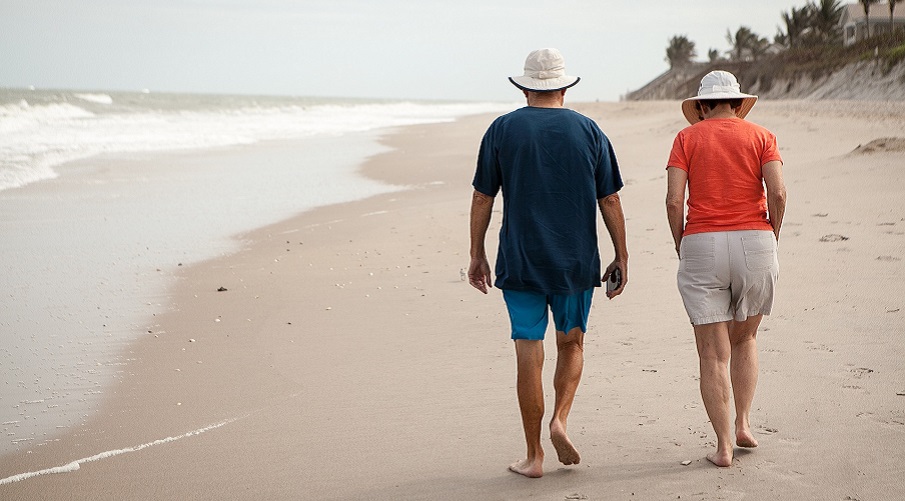
Retirement is when many people take the opportunity to relax and focus on their well being after decades of hard work. Unfortunately, this can also lead to unhealthy habits that can have long term consequences for health.
Staying healthy in retirement is critical for maintaining a quality of life and enjoying those golden years.
But due to a lack of structure or purpose, retirees are likelier to engage in unhealthy behaviors such as smoking, overeating, and physical inactivity.
This can lead to serious health problems, including obesity, heart disease, stroke, diabetes, and other chronic conditions.
The good news is that seniors can take steps to protect their health in retirement. Here are a few tips to help you stay healthy in retirement…
7 Ways How to Stay Healthy Amid Retirement:
1. Maintaining Healthy Lifestyle.
Maintaining a healthy lifestyle in retirement is essential, with some adjustments for age related changes.
Here are four ways seniors can maintain a healthy lifestyle:
Stay socially connected: Isolation can have negative effects on both physical and mental health. Staying socially connected with friends, family, and other retirees can help seniors stay engaged and motivated.
Learn new skills: Lifelong learning can be both fun and beneficial for maintaining cognitive function. Consider taking a class or learning a new skill, whether it’s a new language or a musical instrument.
Volunteer: Giving back to the community can provide a sense of purpose and fulfillment in retirement. Consider volunteering for a cause or organization that resonates with you.
Practice thankfulness: Retirement can be a time of significant change, and it’s essential to take care of one’s mental health. It might feel like your time has passed and now you are being left out by everyone, like you don’t matter anymore. And that’s as far from the truth as it can get. Remind yourself of all that you have been through, all that you accomplished, see how much beauty still surrounds you.
2. Eating Healthy.
Eating a balanced diet is vital to maintaining health and preventing chronic illnesses.
As people age, nutrient needs change, and it is essential to focus on eating foods rich in antioxidants and other nutrients that support body function.
Eating plenty of fruits and vegetables, lean proteins, whole grains, and healthy fats and avoiding processed or sugary foods can help protect against chronic diseases.
3. Getting Regular Exercise.
Exercise can help reduce the risk of heart disease, stroke, diabetes, obesity, and other chronic conditions.
It can also help improve balance and coordination while strengthening bones and muscles.
Seniors should focus on low impact activities tailored to their fitness levels, such as walking or swimming.
Yoga, tai chi, and other mind body exercises may promote physical and mental well being in older adults.
4. Managing Stress.
Stress can take its toll physically and mentally, so finding ways to manage it at any age is essential.
Relaxation techniques such as deep breathing, mindfulness meditation, or yoga can help reduce anxiety levels while calming the body.
Engaging in activities you enjoy, such as hobbies or socializing with friends, can also be great stress relievers for retirees.
5. Getting Adequate Sleep.
Sleep is essential for good physical health, but many seniors don’t get enough due to various factors, including sleeping disorders like insomnia or pain issues like arthritis.
Developing good sleep habits, such as going to bed at the same time each night, limiting naps during the day, or cutting out caffeine late in the day, may help improve sleep quality in seniors.
Regular exercise also improves sleep, so staying active during retirement is essential.
6. Maintaining Medication Schedule.
As seniors age, keeping track of their medication schedules becomes increasingly essential.
Taking the wrong dose or missing a dose altogether can have serious health consequences.
Therefore, it is necessary to develop a plan and routine to ensure that all medications are taken as prescribed by the doctor.
This can include setting alarms, using pill boxes with pre sorted doses, or keeping a daily checklist.
Another important consideration for seniors is how medications interact with each other.
Older adults tend to take more medications due to age related conditions and illnesses, and drug interactions can have potentially dangerous side effects.
For example, some combinations of drugs may cause drowsiness or dizziness, which can be hazardous if the person is driving or operating machinery.
Older adults need to discuss all medications they are taking with their doctor or pharmacist so they can assess the potential risks of taking certain combinations.
7. Considering Hospice Care.
Finally, an important consideration for seniors is end of life care.
Many retirees are now turning to home hospice services that can provide in home medical and other support to help them live out their remaining years comfortably.
Hospice care focuses on providing comfort and quality of life rather than attempting to cure a terminal illness.
It can give invaluable support to patients and their loved ones during this difficult time.
You should also consider getting a Living Will if you haven’t already.
This document outlines your medical treatment and care preferences in case you’re unable.
It can help ensure your intentions are respected if you become too ill to communicate them yourself.
What you should remember?
Retirement is a time to enjoy the fruits of your labor and potentially explore new hobbies.
However, it is also important to prioritize health and well being during those golden years.
Following these tips can help you stay healthy in retirement while maintaining a quality of life that allows you to make the most of those precious years.
We all love our furry friends and want the best care for them.
Taking care of your pets necessitates routine veterinary appointments.
These visits to the vet often include wellness examinations and vaccines, and occasionally booster shots.
Pet vaccinations, just like the ones for humans, protect the four legged members of your family from serious diseases and allow them to live the healthiest, longest lives possible.
However, they also protect you from catching some disease from your pet, that’s why knowing what vaccinations are necessary is so important.
The right vaccination can also aid in preventing zoonotic infections from spreading to your other family members from pets.
While certain vaccinations are optional or dependent on your pet’s lifestyle, most are considered mandatory, regardless of disease risk or geographic location.
What is The Difference Between Core Vaccinations and Non Core Vaccinations?
The vaccinations considered mandatory for all pets irrespective of their living situations are core vaccinations.
Whereas non core vaccinations are those which are suggested by veterinarians depending on the pet’s lifestyle and environment.
For instance, if you have a puppy that is frequently boarded or only spends time outside, your veterinarian may advise some non core immunizations.
Core vaccinations:
These vaccines are necessary for maintaining the health of your pets and are mostly administered by the vet when your pet is a puppy.
Many municipalities stipulate to see the proof of some mandatory core immunizations before you can get a license for your pet.
Some common core vaccines for dogs include:
Rabies.
This is one of the deadliest viral diseases that can affect a dog.
It affects your pet’s central nervous system and causes symptoms like excessive drooling, headaches, hallucinations, and paralysis.
The disease is transmitted when saliva or blood gets exchanged between a rabid and healthy animal.
Apart from infected dogs, many wild animals including foxes, skunks, raccoons, and bats can bite your pets and transmit the virus.
Contracting this disease can be fatal for human beings as well.
Puppies must be immunized around 14 to 16 weeks and again at 1 year.
After that, they should be given booster doses annually or at least once every three years.
Parvovirus.
An extremely contagious disease, the canine parvovirus poses a significant risk for puppies younger than four months old and unvaccinated dogs.
The disease affects the intestinal tract of a dog, causing appetite loss, vomiting, diarrhea, hypothermia, fever, and lethargy.
It spreads through contact with contaminated surfaces and infected dogs.
Puppies should receive the vaccine between the ages of 8 and 16 weeks.
The first booster should be given after one year.
After that, they should be administered every 3 years or more often.
Distemper.
This vaccine guards dogs against a crippling virus that affects their lymphoid tissues as well as their respiratory, nervous, and digestive systems.
Some symptoms of this disease include appetite loss, fever, vomiting, diarrhea, dehydration, eye and nose discharge, blindness, twitching, seizures, and paralysis.
Distemper spreads via body fluids, excrement, and aerosol droplets.
A puppy should be given at least three doses between the ages of six and 16 weeks.
A booster is necessary after a year and then after every three years.
Hepatitis.
Infectious canine hepatitis, a contagious viral disease, can cause liver inflammation in dogs.
It can also have an effect on a number of organs, like the nervous system, kidneys, lungs, and digestive system.
The disease spreads through an infected dog’s saliva, nasal discharge, urine, blood, and feces.
Fever, sneezing, nasal congestion, coughing, difficulty breathing, decreased appetite, tiredness, eye redness, yellowing skin, bruises, and seizures are a few of the symptoms.
Puppies should get their first vaccine between 6 and 8 weeks of age, and booster shots every three to four weeks till they’re four months old.
A booster is required for adult dogs after a year and thereafter every 3 years.
Non Core Vaccinations:
Non core vaccinations are not mandated by law, however, they may be required for pets who frequent kennels, outdoor lakes, or are living in specific areas.
Depending on the exposure risk for your dog, vets may prescribe non core vaccines.
Some of these include:
Bordetella.
This vaccine offers defense against a virus linked to the kennel cough disease and is typically given every 6 to 12 months.
Borrelia Burgdorferi.
This vaccine is administered to protect dogs with a high risk of contracting Lyme disease.
Leptospira.
This vaccination is given before 12 weeks, followed by boosters every 4 to 6 weeks, and then every year after that to protect dogs from Leptospira interrogans.
Influenza.
Vaccination is given every 6 months, followed by a booster shot every 2 weeks, and then every year after that to prevent dog flu.
What you should remember?
Administering proper vaccines at the right time is essential to maintaining the health of your pet.
Along with this, owners should watch out for their pets, keep them away from sick animals, and schedule routine veterinary checkups to ensure their pet has a long and healthy life.
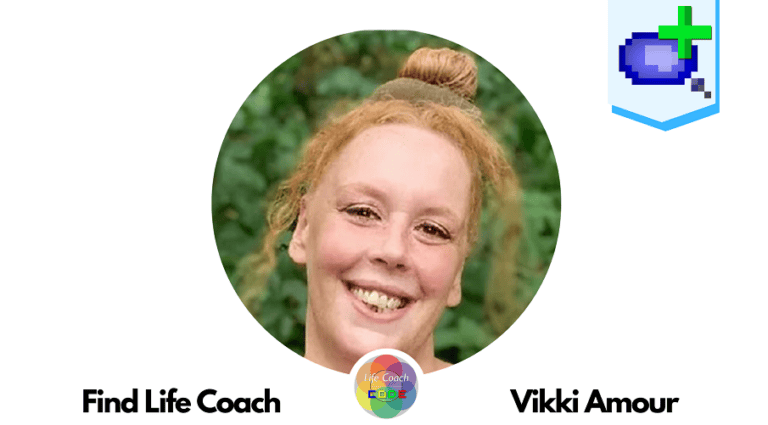
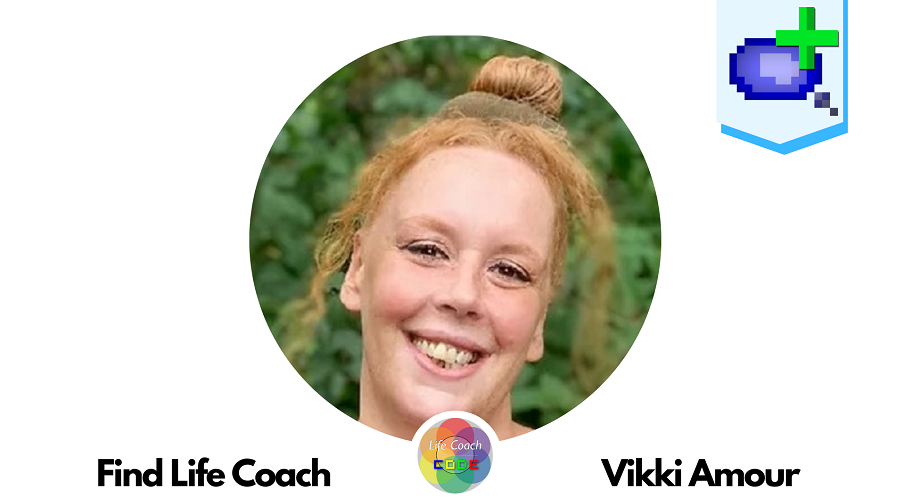
Vikki Amour is one of the coaches that we found this month and we did a little interview with her. She impressed us with her strength of character and dedication.
She has started her coaching career in 2019 after a wake up call, realizing that there must be more to life than working a job you hate.
She has been developing her coaching skills all her life, she has been through a lot of hardships that taught her many powerful lessons and helped her build the wisdom she has now.
Through the help of other superheroes in the space of coaching like Tony Robbins she found lessons that saved her life, and many times it was literally a matter of life or death. Here is what she said.
Meet Life Coach Vikki Amour:
Name: Vikki Amour
Pillar: The Mind
Who is this coach for: Anyone who wants to find clarity in their business and get a step by step strategy on how to realize their vision and reach their goals.
How they can help: Through various tools, techniques, and practices like finding your perfect normal day, creating the ideal business strategy, and making a thoroughal business plan.
First of all, how are you and your family doing after these Pandemic times?
It has been a strange few years but thankfully we are healthy and good, thank you for asking.
How does the coronavirus pandemic affect your clients? Did it affect you at all?
If affected my clients in 2 ways, some clients businesses took off during the pandemic and are now plateauing but they’re exhausted and have sort of “winged” it for the past few years so they want to get clear on what they want in the future and how to create that.
Other clients I work with had to completely pivot and reinvent their businesses because of the pandemic and after working full out in the day to day, keeping everything going for the last few years, they now want to stop and take a step back and start working on the big picture for the future.
I was lucky as I worked mainly remotely beforehand so my business model didn’t change much (but I did miss the human interaction of networking and connecting face to face) however, the Business StartUp Boot Camp that I run moved completely online and because of that I created supporting online courses which I didn’t have before.
What are the biggest lessons that you learned in this pandemic?
When the pandemic started, the level of fear of the unknown made me freeze like it did for everyone.
So the biggest lesson I learned throughout it was, it’s ok to talk to people and open up when we’re feeling like that.
I think there is still a level of stigma around people saying they’re not feeling ok and asking for support and help or just someone to listen while they talk it out.
The pandemic really highlighted to me the importance of it being ok to be vulnerable and not feel like you’re being judged for showing that vulnerability.
Another lesson I learned is that small business owners are super heroes!
The way small business owners pivoted from in person trading to online trading or set up new revenue streams to keep their businesses going (and some of the people I worked with are now flying because of that) showed me how it doesn’t matter what they were faced with (and lets be honest it was a constantly changing landscape for over 2 years and it’s been a struggle since) a lot of small business owners have pulled through and made it work.
The Origin:
Tell us about you, your career, how you started with your coaching career?
My background is I trained as a bookkeeper at the age of 18 and then trained in accountancy.
I started my own bookkeeping and accountancy practice in 2010/2011 working with entrepreneurs, startup businesses and small to medium businesses.
But I was constantly stressed, burned out, and when I was actually honest with myself, miserable.
So, in 2019 I found myself standing in front of a mirror shouting at myself THERE HAS TO BE MORE THAN THIS TO LIFE!
I was working 7 days a week most weeks, waking up at 2AM and worrying about things I needed to do the following day, things needed to change!
I started looking for ways that I could make changes in my business.
I was originally trained in coaching so that I could use the tools in my business.
At the time, in my mind and the stories I told myself were that it was all I knew, I was in that box, so I needed to make it work.
During the training and coaching other coaches, business owners (and anyone that would let me coach them to build my experience in the first year or so) I discovered that actually, I really love doing this.
And the individuals I worked with were getting good results!
That led me to starting AMOUR Business Coaching.
What was your biggest obstacle that you had to overcome in your life that made you who you are today?
Wow, there’s been a few!
I lost my Mum when I was 24, I started my first business at the age of 30, had open heart surgery at 36, then lost my Dad at 38 and then trained as a coach and started a completely new business and profession at 39 while still juggling my first business.
Then, in February 2020 I was told that I needed to have open heart surgery again because the doctors did not think my new heart valve was working properly (I was so ill and out of breath I couldn’t walk from one room to another without stopping to catch my breath).
Then, the pandemic hit and all surgeries were cancelled.
It was also around this time that I moved from living in an awful place with constant noise from neighbors and constant stress (I was still running close to burn out and overwhelming stress from my first business) that I found Tony Robbins and attended his “Unleash the Power Within” online event where he talked about the stories that we tell ourselves and how it affects every area of our life and it was like being hit around the head.
After my surgery in 2016 and the constant doctors appointments, I had been telling myself that “I was a heart patient and there was something wrong with me” and then add in all of the stress that I was under, I was making myself seriously ill because of it.
It was at that moment that I made the decision that things needed to change and I needed to change my story.
So gradually over the next 6 months I focused on my health (I also found Joe Dispenza’s work) and in July 2021 I had an echo (an ultrasound) of my heart.
Although, I think at first they thought it was a fluke, my Cardiologist said to me whatever you’re doing keep doing it!
Your heart valve is working perfectly and your heart is healthy.
I have since had 2 more done and both times my heart has improved from the scan before!
I’m not a doctor so I don’t recommend this to anyone with a condition, this is my personal story.
I then trained with William Whitecloud’s “Natural Success up to Mastery” level last year and learning and using the techniques he teaches has taken that experience and learning to a whole new level, not just personally but also in my coaching.
Going through this made me realize that I was in control of my life and the stories I was creating, it also made me realize how badly stress affected me and that I needed to consciously remove that from my life.
I learned that if I can devastate myself like that I could also create the life and business I want to be living (the life of my dreams and vision).
Now, when I work with people to turn their vision into reality, I’ve done it and if I can do itm anyone can.
I know we are all capable of anything we set our minds to as long as we stay in the belief that we can achieve it (and take action!)
The Coaching Style:
How do you innovate with coaching your clients?
Small business owners have had a really tough few years which has meant a lot of people are now feeling stressed, fed up, and disconnected from what their original vision for their business was, but not sure how to change that.
That’s where I come in, we work together to reconnect with their passion in their business (what they absolutely love about what they do) and then, we get complete clarity on their vision for the future.
Once we’ve done that, we then create a strategy to get from where they are now to where they want to be (their vision).
We look at their business model, financial forecasting and pricing and put in place an action plan (with my background I understand the importance of having financial goals that your business model supports. I also know that you can have the biggest goals in the world but if you’re not taking action nothing will change which is why we work on the action plan).
What’s unique about your coaching approach?
I know first hand the importance of including your humanness in your business when you’re planning for the future (like I mentioned before about the power of the mind, I have seen businesses that should have failed fly, and I have also seen businesses that should have pulled through but failed, all because of the business owners mindset).
Also, because of my background in accountancy, I understand the importance of making sure your financials and business model support what you want to achieve.
And if it doesn’t, then it’s not a drama, it’s a chance to pivot and look for new opportunities.
What benefits do your clients get after working with you?
The space to really connect with your passion and love for your business and get excited about your business future.
A full business plan and strategy to get from where you are now to where you want to be while also checking in to make sure what you’re working on is working (if it’s not, do a course redirect still working towards that end vision)
Working with me, I am just as passionate and excited about you succeeding in your business as you are.
As your Business Mindset and Strategy Coach, I will encourage and challenge you to reach and work at your full potential while overcoming the obstacles that are holding you back from where you want to be with your business.
Do you use any specific tools to be efficient with your clients?
1. Your perfect normal day:
When thinking about your vision for the future we look at what a normal day will be like for you when you’ve reached that vision and life.
2. Business strategy:
I have created a pricing for profit template that I share with the people I work with so that they can make sure they are working for a profit (when their time and their overheads are included in the service price as A LOT of small business owners don’t include their time as a cost so end up having cashflow problems when hiring staff).
3. Full business plan:
A plan that we work through together to get down on paper (or in a word document) that includes the business vision (what you want to create), mission (why), and values (what does your business stand for) as well as the action plan (goals), who you are working with (ideal customer), financial forecasts and the financial plan for your growth.
This is a business plan that is a working document, it’s not written for a bank!
It’s so that you, the business owner, can use it to check in and benchmark where you are at any given moment in time and it’s also a really good reminder to celebrate the wins as we’re all really good at focusing on everything that’s gone wrong and not even acknowledging how far we have come.
The Impact:
If you had a super megaphone that, when you speak into, the whole world will hear your message, what would you say?
If you don’t enjoy what you’re doing, change it!
When you think about the YEARS you have left working in your business, do you want to spend that time stuck, fed up, and not fulfilled?
Or are you prepared to take some uncomfortable action now and work on creating the business of your dreams so that you spend the rest of your working years doing what you absolutely love while changing lives and being paid for it?!
What is the greatest lesson you have learned in your life?
The power of my mind!
If you believe you can do something, you will find a way to make it work.
But if you listen to your doubt niggles and believe you can’t, then you’ll find and create (unconsciously) every obstacle possible to confirm the belief that it won’t work.
Your final thoughts?
Running a small business is so rewarding but can also be chaotic, stressful and lonely.
If you are not creating what you love in your business, then take that time out and reconnect with WHY you started your business in the first place, and work on incorporating that into your business.
Where Can You Find Vikki Amour?
If you liked this interview and you would love to find clarity in your business and a helping hand to make your beautiful dream a reality, go to www.amour.coach and see how Vikki can help you achieve that.
If you’d like to get a glimpse of her coaching, check her YouTube channel and discover nuggets of value. Or, you can follow her Instagram and TikTok account.
If you’d like to connect more personally with her, you can do that through Facebook and LinkedIn or by sending a message to her email [email protected]. It was an honor having this interview with her.
Many people consider bedwetting as a problem that only affects children, but adult bedwetting is actually quite common.
Bedwetting, also known as Nocturnal Enuresis, is a common condition that affects many adults.
There are several reasons why an adult may experience bedwetting, including medical conditions such as diabetes, urinary tract infections, or neurological disorders.
Stress and anxiety can also play a role in bedwetting, as can certain medications or alcohol consumption and various other lifestyle factors.
Often, bedwetting can be treated through lifestyle changes that we are going to discuss in this article.
Seeking the guidance of a life coach can also be helpful in managing the emotional impact of bedwetting and developing coping strategies for dealing with this condition.
If you are dealing with adult bedwetting, there are things you can do to help manage the issue.
5 Ways How to Combat Adult Bedwetting:
1. Stay Prepared and Protect Your Bed.
First, it is important to prepare for potential accidents.
This means investing in waterproof mattress covers and keeping extra sheets on hand.
It is relatively easy to throw your sheets in the washing machine, but cleaning and drying a mattress is incredibly difficult.
Consider full zip on covers or disposable absorbent pads that can be changed out every morning or even multiple time in one night as needed.
2. Get a Urinary Tract Checkup.
Another key factor to consider when combating adult bedwetting is to check the health of your bladder and overall urinary tract system.
In some cases, bladder issues may be contributing to your nighttime accidents.
Everything from inflammation or infection to a weakening of pelvic floor muscles can exacerbate this issue.
Your doctor may prescribe medication or give you strengthening therapeutic exercises to try.
3. Choose Adult Incontinence Undergarments.
If you or a loved one struggles with adult bedwetting, it is important to find the right solution for overnight protection.
Try adult incontinence undergarments specifically designed to provide comfort and security throughout the night.
When choosing a product for overnight use, there are several factors to consider.
First, look for a brand and style that offers maximum absorbency.
Additionally, find a product that fits comfortably and securely without feeling too tight or restrictive.
There are many different types of adult incontinence undergarments available on the market today, including briefs, pull ups, pads, and liners.
4. Stop Drinking Liquids Before Bedtime.
When you drink fluids before going to bed, especially diuretics such as caffeine and alcohol, it increases your urine production and can cause accidents.
To prevent adult bedwetting caused by incontinence, do not to drink any liquids for at least two hours before bedtime.
This will enable your body enough time to process any excess fluid and reduce bladder pressure while sleeping.
5. Set an Alarm for Nocturnal Bathroom Trips.
One effective way to combat adult bedwetting is to visit the bathroom more frequently at night.
If necessary, set an alarm to visit the toilet one or two times per night to empty your bladder and reduce the chance of accidents.
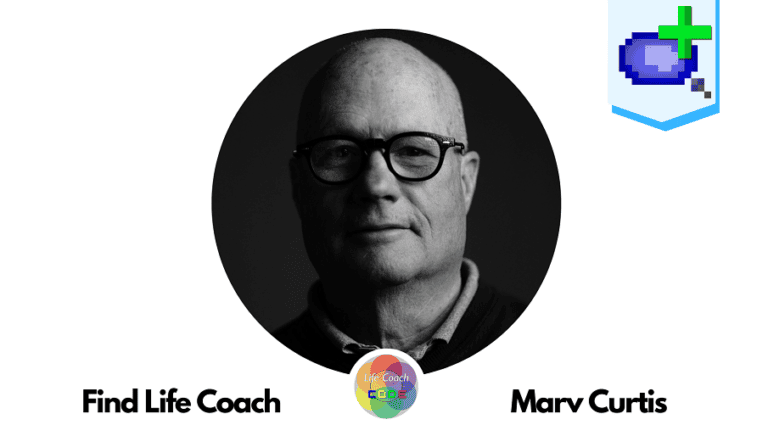
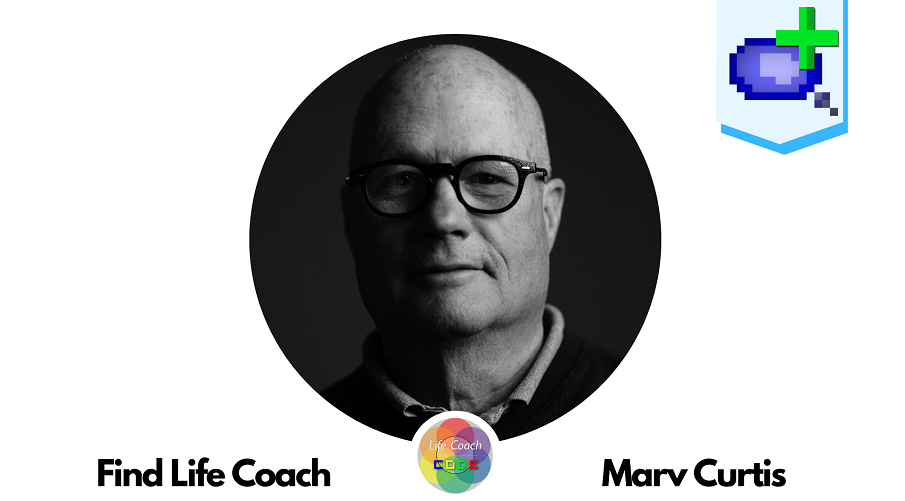
Marv Curtis is one of the coaches that we found this month and we did a little interview with him. He impressed us with his dedication, expertise, and experience.
He is one of the most experienced coaches that we had the honor of interviewing. His coaching career started all the way back in 1980s’ as a side hustle, but it soon became his main business.
He started coaching to help his oldest son overcome panic attacks and to help his wife overcome depression. Back then, it was hard to find any help for those type of problems in the healthcare industry so he decided to tackle those issues himself and find a way to help his family.
Now, he is a long way from the beginnings of his coaching career and for decades he is successful in helping people overcome Burnout, gain clarity, and establish stronger boundaries. Here is what he said.
Meet Life Coach Marv Curtis:
Name: Marv Curtis
Pillar: The Mind
Who is this coach for: Anyone who wants to avoid or overcome burnout, gain clarity and establish solid boundaries in their life.
How they can help: Through conversational hypnosis, energy psychology, and somatic tracking.
First of all, how are you and your family doing in these Pandemic times?
We are doing well.
It has brought us closer together with a greater sense of what is important in life.
How does the coronavirus pandemic affect your clients? Did it affect you at all?
As a Burnout Coach, the pandemic increased the amount and degree of burnout in most industries and businesses.
It has helped focus on the fastest and most useful treatments.
What are the biggest lessons that you learned in this pandemic?
The effectiveness of going virtual was very liberating.
Surprisingly effective once I got the flow of it.
The Origin:
Tell us about you, your career, how you started with your coaching career?
Coaching started in the 1980’s as a ‘side hustle’ primarily to help my oldest son with his panic attacks and my wife with depression.
We weren’t able to find the help we needed within our healthcare network at that time, so I began to learn how to help them.
What was your biggest obstacle that you had to overcome in your life that made you who you are today?
Tragedy and loss among my family members due to cancer and depression.
The Coaching Style:
How do you innovate with coaching your clients?
Every client responds differently.
As I learn something useful with a new client I try to adapt it to new situations and combine it with other strategies.
What’s unique about your coaching approach?
The use of the client’s own intuition for diagnostics.
What benefits do your clients get after working with you?
1. Clarity about ‘what is the problem’. 2. Finding their own voice. 3. Solid boundaries.
Do you use any specific tools to be efficient with your clients?
1. Conversational hypnosis. 2. Energy psychology. 3. Somatic tracking.
The Impact:
If you had a super megaphone that, when you speak into, the whole world will hear your message, what would you say?
‘Sensitive’ is the new superpower!
What is the greatest lesson you have learned in your life?
1. The importance of simple kindness. 2. Trust is the result of feeling deeply understood.
Your final thoughts?
It’s great to be alive and able to make a contribution in my 70’s.
Where Can You Find Marv Curtis?
If you liked this interview and you would love to find clarity of what’s the real problem in your life behind the scenes, go to www.marvcurtiscoaching.com and see how Marv can help you.
If you would like to connect more personally with him, you can do that through LinkedIn or his Facebook. It was an honor having this interview with him.
Depression is a real mental health disorder that can have serious consequences. It’s easy to go from normal to clinical depression if left untreated.
It affects millions of people in the US each year and can take on different forms depending on the individual’s age, gender, and circumstances.
It is important to understand the different types of depression, as well as the mental and physical effects it has on individuals who suffer from it.
Quick Guide to Understanding Depression:
Types of Depression:
Depression is not a one size fits all condition.
There are many variations that can affect people differently.
The most common type of depression is Major Depressive Disorder (MDD), which is marked by persistent feelings of sadness, emptiness, fatigue, loss of interest in activities once enjoyed, sleep disturbances, changes in appetite or weight, difficulty concentrating, and thoughts of suicide or self harm.
Other types include:
Persistent Depressive Disorder (PDD) which occurs over a much longer period than MDD.
Seasonal Affective Disorder (SAD) which typically only occurs during certain times of year.
Postpartum Depression (PPD) which affects women after giving birth.
Bipolar Disorder (BD) which involves periods of mania as well as depressive episodes.
Atypical Depression (AD) which involves increased appetite or sleeping more than normal.
Psychotic Depression (PD) which involves hallucinations or delusions.
Premenstrual Dysphoric Disorder (PMDD).
Situational Depression (SD).
Dysthymia which is chronic but less severe than MDD.
Those suffering from depression may feel isolated and disconnected from their loved ones.
They may also experience frequent mood swings, difficulty concentrating or making decisions, persistent negative thinking patterns, suicidal ideation or attempts at suicide.
People with depression may also have trouble connecting emotionally with others due to a lack of interest in activities they once enjoyed or an inability to maintain relationships due to mistrust issues.
Additionally, substance abuse is often seen in those struggling with depression as they attempt to self medicate their symptoms without seeking professional help.
Physical Effects of Depression:
Depression can also manifest itself physically by causing fatigue or exhaustion even after getting plenty of restful sleep.
It can lead to changes in appetite resulting in weight gain or loss depending on the individual’s eating habits.
Chronic pain such as headaches or muscle aches can occur due to an increase in stress hormones such as cortisol that are associated with depression.
Digestive problems such as stomach upset are not uncommon either due to the body being under constant stress when depressed.
Additional physical effects include dizziness and heart palpitations caused by higher levels of adrenaline production triggered by stress hormones released during a depressive episode.
Emotional Effects of of Depression:
Aside from its mental and physical effects, it can impact your emotional self in various ways:
Persistent sadness or feeling empty. People with depression often feel sad or empty for prolonged periods of time, even when there is no obvious reason for their low mood.
Loss of interest or pleasure. Depression can cause a person to lose interest in activities or hobbies that they once enjoyed. They may also have difficulty experiencing pleasure or positive emotions.
Guilt or worthlessness. Many people with depression experience feelings of guilt or worthlessness, even when they have not done anything wrong.
Irritability or agitation. Depression can cause a person to be easily irritated or agitated, even over small things.
It is important to note that the emotional effects of depression can vary from person to person and may change over time.
Spiritual Effects of Depression:
Even though not very often spoken of, depression can have a profound impact on a person’s spiritual wellbeing. Some of the spiritual effects of depression may include:
Loss of meaning and purpose. Depression can make it difficult for a person to find meaning and purpose in life. They may feel like their life lacks direction or that they are not fulfilling their purpose.
Questioning faith or beliefs. Depression can cause a person to question their faith or beliefs, particularly if they are struggling to understand why they are experiencing such intense emotional pain.
Feeling disconnected from others. Depression can make a person feel isolated and disconnected from others, including their community, family, and friends. This can lead to feelings of loneliness and despair.
Loss of hope. Depression can cause a person to lose hope for the future. They may feel like there is no way out of their current situation or that things will never get better.
Spiritual crisis. In some cases, depression can trigger a spiritual crisis, which may involve a reevaluation of one’s beliefs, values, and purpose in life.
What are The Benefits of Treating Depression (Aside from Treating Depression):
Let’s take a look at some of the benefits of treating depression.
Reduce Symptoms.
One of the primary benefits of treating depression is to reduce or even eliminate the symptoms associated with the condition.
Depending on your individual needs, this may include medication, psychotherapy, lifestyle changes, or a combination of these approaches.
Working with a mental health professional can help you find the best course of treatment for you.
Improve Functionality.
Depression can interfere with many aspects of daily life, including work performance, relationships, and even basic activities such as sleeping and eating.
By getting treatment for your depression, you can improve functioning in all areas of your life.
This could mean improved job performance, better communication skills in relationships, more regular sleeping and eating habits, and overall improved quality of life.
Decrease Risk Factors.
Treating depression also helps to decrease risk factors associated with the condition such as suicidal thoughts or behaviors or substance abuse issues.
If left untreated, depression can lead to self harm or worse, however, by seeking treatment early on you can reduce these risks drastically and give yourself the best chance for recovery.
Additionally, if caught early enough in some cases it may be possible to completely eliminate symptoms without medication or other forms of therapy.
What is The Purpose of Depression?
Like every other emotion and emotional state, Depression is not a villain. It’s not occurring for “no reason” and it carries a message that you should hear.
The most common message of depression is that you are right now at a period of your life where you should slow down and re evaluate WHO YOU ARE.
There are emotions, events and things that happened to you that you need to digest and sort within your psyche to decide what they will mean for you.
It’s a period of your life where you should allow your old identity to go away so a new YOU can be born.
It’s important to not rush this process but to allow yourself to go through the experience in your own pace, to make sense of your own narrative and decide where you are going to be headed.
Sometimes, you might need a guide and a little help on your journey. Everyone needs a helping hand from time to time. That’s why it’s important to seek help if you feel like you need.
What you should remember?
Understanding how depression affects both our mental and physical health is key for anyone suffering from this disorder so they can get proper treatment and support from family members and friends.
It’s important for all individuals, not just those suffering directly, to be aware of the various types of depression so that they can help those around them who might be struggling with it silently without knowing what exactly it is they are going through.
If you think someone you know may be suffering from depression, don’t hesitate to reach out for help, your words could make all the difference.
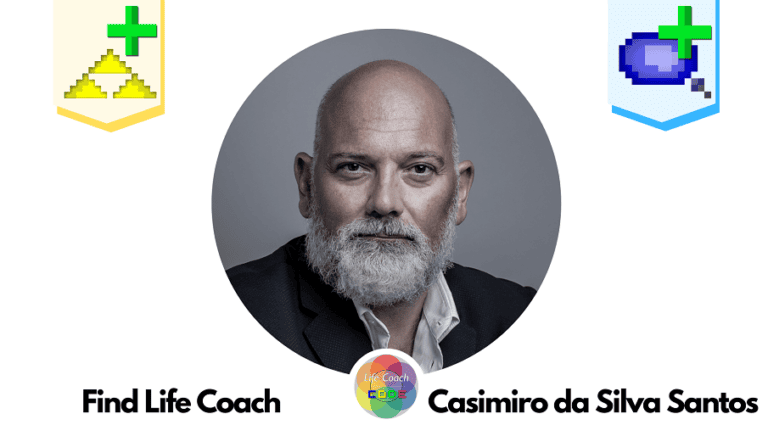
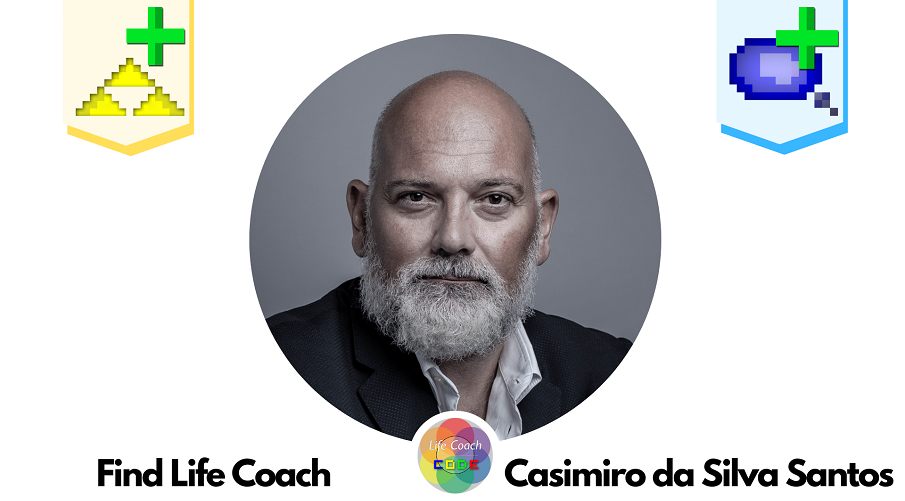
Casimiro da Silva Santos is one of the coaches that we found this month and we did a little interview with him. He impressed us with his client centered approach and profesionalism.
He was in the corporate managing business for over 20 years and he started his coaching career while in the corporate world to help high potential individuals to achieve higher performance levels.
He became a certified International Coaching Federation (ICF) coach in executive, leadership, career, groups, and teams, and he is currently pursuing his ACC accreditation.
His coaching approach is focused on helping individuals experience transformation and get rid of limitations so they can take better action toward their goals. Here is what he said.
Meet Life Coach Casimiro da Silva Santos:
Name: Casimiro da Silva Santos
Pillar: The Spirit, The Mind
Who is this coach for: Anyone who wants to get rid of limitations, better focus and take more action toward their goals.
How they can help: Through various tools and techniques, from visual stimulation to vision boarding, including walking coach sessions, just to name a few.
First of all, how are you and your family doing in these Pandemic times?
We are doing well post pandemic times, we were lucky we did not get Coronavirus.
We are fully vaccinated, and we follow the prevention guidelines.
How does the coronavirus pandemic affect your clients? Did it affect you at all?
Most of my clients were used to face to face coaching sessions, and then we transitioned to online sessions.
Zoom became our best friend for coaching.
I believe that clients become more comfortable as they can do coaching from a safe, secure, and confidential place without being interrupted.
Being closed for so long and remote, proposing a walking coaching session to them was very well received and accepted.
What are the biggest lessons that you learned in this pandemic?
Be resilient and patient, and better days are coming.
The Origin:
Tell us about you, your career, how you started with your coaching career?
I hold a master’s degree in Chemical Engineering and an executive MBA.
After 20 years in corporate managing business in water and water treatment chemicals and leading teams, I have become a certified International Coaching Federation coach in executive, leadership, career, groups, and teams.
I am currently pursuing my ACC accreditation.
I started my coaching career during my corporate years coaching and mentoring high potential employees to achieve higher performance levels and be more self assured in the companies I have worked for.
I started my coaching business in early 2020, so, at the beginning of the pandemic.
What was your biggest obstacle that you had to overcome in your life that made you who you are today?
I would not say it will be an obstacle.
Assuming who I am, and being authentic, made me stronger and proud to be, which is one of my hashtags on social media.
Being gay made me unique and understanding of discriminated against and outcasted communities.
The Coaching Style:
How do you innovate with coaching your clients?
I used different techniques such as visualisation, visual stimulations, and word association.
Visioning is also another technique I use.
What’s unique about your coaching approach?
My unique coaching approach is empathy, compassion, and strong, active listening.
The fact that I use several techniques, from visual stimulation to vision boarding, including walking coach sessions, makes me unique.
What benefits do your clients get after working with you?
Most of my clients experience a personal transformation reflecting their performance and relationships.
The fact that I have an international career in business and managing and leading people helps us to get into working together in their improvement areas as I can easily relate to them.
Generally, they see improvements in making decisions, acting on their goals, more focus, verbalizing the life they want, stop procrastinating, feel comfortable saying no without the guilty feeling, and stop believing in their limiting beliefs for success.
Do you use any specific tools to be efficient with your clients?
Yes, I use the Points of You technique when my clients are stuck or do not know what to work on in a session.
Visual stimulation and word association work wonders.
Vision board is another tool I use to guide clients to build their dream life.
The Impact:
If you had a super megaphone that, when you speak into, the whole world will hear your message, what would you say?
Be human, and we are all human.
Be empathic and compassionate to a stranger.
What is the greatest lesson you have learned in your life?
That we are vulnerable, and we need to adapt.
Making the best of every situation.
Curve balls are curved for a reason.
Your final thoughts?
Coaching is my life and unleashing the potential of people and my clients make my life worthwhile living.
Where Can You Find Casimiro da Silva Santos?
If you liked this interview and you would love to get rid of your limitations, better focus and take more action on your goals to build the life that you want to live, go to bringthebest.pt and see how Casimiro da Silva can help you do that.
If you would like to get a glimpse of his coaching, you can follow his Instagram account. If you would like to connect more persionally with him, you can do that through LinkedIn or send him a message on his email [email protected]. It was an honor having this interview with him.
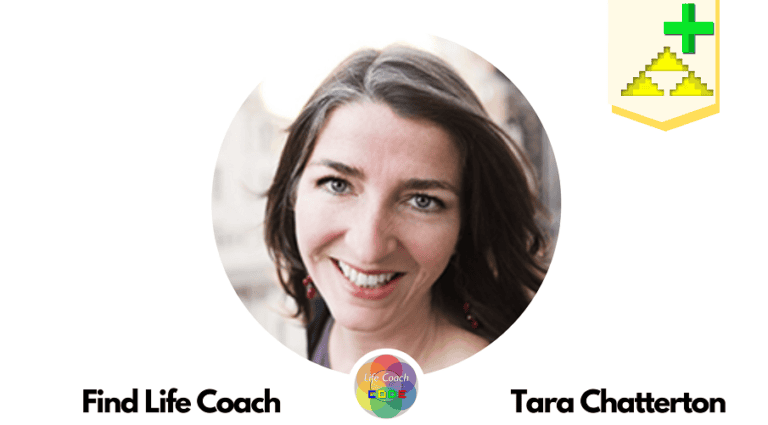
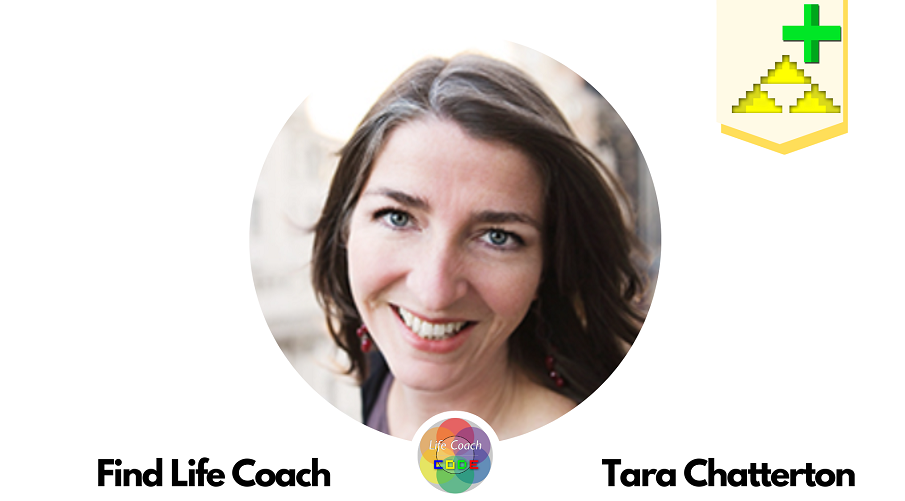
Tara Chatterton is one of the coaches that we found this month and we did a little interview with her. She impressed us with her wisdom and deep understanding of consciousness.
She started coaching after a long period of steering away from her path and getting back to it. She always had a knack for understanding the big picture of people, what they really need to heal and become the best version of themselves.
She got her wake up call after her best friend and her father both passed away. She realized that she is not getting any younger and that was enough to put her on the right path she was meant to walk, the one she was born to walk.
Now, she focuses on helping people become whole and live the life they were meant to live. She does that through a multifaceted coaching method that incorporates healing, coaching, energy work and going into the depths of the unconscious to help people merge their fragmented self into wholeness. Here is what she said.
Meet Life Coach Tara Chatterton:
Name: Tara Chatterton
Pillar: The Spirit
Who is this coach for: Anyone who has unresolved issues preventing them from living their best life, and are looking to unleash their full potential.
How they can help: By utilizing her own healing system, she awakens your true self so that your shadow parts can heal, and bring you back into wholeness.
First of all, how are you and your family doing in these Pandemic times?
My family and I have experienced a lot of transformations over the course of the last couple years, but not because of a loss or anything due to the pandemic so much, but rather, these are changing times, and whenever people experience something as massive as a pandemic, it calls people to question how they live their lives, as it brings up unresolved issues to be faced and dealt with.
I believe the pandemic is more of a global transformation, or an awakening pushing everyone to face their shadows and question who they’ve been showing up as in the world.
Even though the pandemic has uprooted, displaced and destabilized so many people, if you look at it from another perspective, it can also be seen as a blessing, depending on your perspective of course.
When people become uncomfortable, they have to take drastic measures to reroute or reset their lives, and while this can cause temporary unfavorable outcomes, it can also create new ways of living that weren’t possible before, and as a result, we are inevitably adapting to changes that we previously, had been resistant to.
That’s what I see happening on a larger scale.
Life is pushing people to take risks and to show up in ways they never thought possible, and I have been experiencing this in my own life, personally and with my family, and taking stock of the many blessings it has produced along the way.
How does the coronavirus pandemic affect your clients? Did it affect you at all?
The coronavirus pandemic hasn’t specifically come up in my sessions, but rather the side effects of the pandemic, such as isolation, depression, and anxiety, as it seems like just about everyone has suddenly developed anxiety and social phobias.
Luckily, my business is remote, so seeing clients is a nonissue for me.
I actually started working remotely in May of 2019, shortly before the pandemic, and this felt very guided for me, as if a part of me knew what was coming.
The pandemic effected me in many personal ways, mostly due to the uptake in fear based perspectives, that have caused people to take sides and have made it nearly impossible to communicate with each other about their differing perspectives and views.
My goal in my practice concerning this issue, is to help people rise above fear based thinking and tap into their innate natural state, which is neutral and community based.
What are the biggest lessons that you learned in this pandemic?
I wouldn’t say that I have learned lessons due to the pandemic, but rather, that I began to cater more to the new patterns of isolation and the need and importance for true connection.
Connection is everything now, because isolation breeds illness and suicide, so discovering new ways to connect is paramount to our survival as a species.
The problem is that rarely are people taught to connect with themselves or to feel connected within themselves, so this has become the other facet of my work, which is to help people connect with their inner guidance and intuition, because if we can’t trust ourselves, who can we trust?
Some might be skeptical of the spiritual nature of using the terminology “inner guidance” or “spiritual guidance” or think that I am referring to some force outside of them, but what I am referring to is the part of an individual that just knows the answer or the truth of a situation, and is inspired by that knowing or truth.
I help client’s tap into this part of themselves so that they can learn to trust in life again and redirect themselves onto the path that is right for them, which inevitably helps them feel more connected and less likely to fall into patterns of isolation.
The Origin:
Tell us about you, your career, how you started with your coaching career?
I have always had a knack for understanding the big picture for people and what’s needed for them to heal, push through or transform their lives.
I have also felt naturally guided and supported since I was a child, even when my life didn’t reflect this support, in the most challenging times, I always knew that I would be okay.
It was these attributes that led to my interest in coaching and energetic healing.
My life went in many directions before rerouting back to a life long interest in helping others.
It took me years of losing my way, getting off track and hitting rock bottom before I realigned with my purpose, and understanding that my gifts were best utilized as a transformational coach.
After one of my best friends passed away unexpectedly in 2011, and then the death of my father a year later, this woke something up in me and made me realize I wasn’t getting any younger and that I had to start turning this ship around.
I was in retail at the time, but started taking classes on the side and getting numerous certifications in everything from hypnosis to nutritional therapy.
The more I focused on this new career choice, the more my retail business suffered and I eventually had to let the store go in 2015.
Since then I have been building my coaching practice and have many things in the works, such as a book I’ll be launching and programs I’m developing.
My coaching practice is multifaceted, in that it incorporates energetic healing and is more akin with spiritual guidance, helping individuals resolve their repressed emotional traumas so they can free themselves from the past, find true connection in their relationships and align with their purpose and mission in life.
What was your biggest obstacle that you had to overcome in your life that made you who you are today?
That is tricky to narrow down, but I would say that my biggest obstacle has been allowing myself to just be myself simply as I am, and figuring out who that is beneath all the conditioning from my learned experience.
I’ve spent years stripping away the influences of my external environment, that taught me to abandon who I really am, training me to be true to others over myself.
Having grown up with complex trauma and being a highly sensitive and empathic person, my life has been my biggest education.
Overcoming ingrained patterns of people pleasing, unworthiness, self sabotage and perfectionistic behaviors, has been a life long journey for me, that has informed my own methods for transforming these patterns.
I have come to specialize in this area for others, primarily women who struggle in their relationships, often with narcissistic partners, who really just need to be validated, but are often emotionally split, stuck in a perpetual state of panic, between who they think they should be and who they really are.
If someone is emotionally split like this, it will create problems in just about every area of their life, but once you align with who you are and choose from intention, you can turn everything around and start manifesting the life you want.
Of course this isn’t just for women, I have many male clients as well, but all of my clients seem to circulate around this same issue, so mastering that has been my main focus, rather than focusing on subtopics such as finances, divorce, or abuse, because implementing holistic practices will create change in all areas, no matter what initial issues a client comes to me with.
The Coaching Style:
How do you innovate with coaching your clients?
Specifically, I help my clients identify their wounded or dissociated parts of self, that are typically in the client’s subconscious and unknown to the client, by doing my version of what some people call Parts Work or Shadow Work.
With a unique system that I created, I help them to integrate these parts into consciousness so that the client can gain awareness of their patterns and triggers, and better handle these issues in the future with less emotional attachment to them.
Once they gain awareness of themselves and their patterns, they develop a stronger sense of self and identity, so that they can begin to choose differently from a place of awareness that is more empowered and aligned with their sense of integrity.
What’s unique about your coaching approach?
What’s unique about my approach is that I am not just a coach or a mentor, I am also a psychic empath, a channel, an energy healer and a medium, and I bring all of these gifts to my sessions, drawing upon them when necessary.
I know that’s a mouthful, but what that really means is, I tap into my clients energy and connect with their personal guidance, using a system that I created to do this quickly and efficiently, so that I can tune into exactly what they are needing to heal, and create the mindset necessary for transformation.
Each session is not just to coach them or mentor them, but to help them shift their emotional set point and resolve the past, often through breaking patterns, and bringing the unconscious parts of the self forward to integrate them into the conscious self.
What benefits do your clients get after working with you?
My clients often report feeling lighter, like a burden has been lifted.
They have more self awareness and feel more confident in navigating through life’s challenges.
They may feel more mature, like they’ve graduated or grown up from their childhood tendencies and fears.
They report having less pain, illness, depression, anxiety, panic or even night terrors have disappeared.
They begin to learn how to communicate and listen better, so that they can feel less entangled in their relationships, and find a new sense of inner authority for themselves.
One interesting side effect is that many have found themselves in old situations that used to trigger them, or an old pattern they used to fall into, and suddenly they have the awareness and clarity to handle it differently and choose something better.
This is because, when you remove the emotional pattern, you are no longer in resistance or reacting to it in the same way.
For example, what challenged you originally may still exist, but when you realize that it was your perspective that was challenging you and not the situation itself, you suddenly have control over your response because you can always change your perspective.
This is not to say that it isn’t challenging to turn the other cheek, but given a new opportunity to see and respond differently, and when they do it completely breaks the pattern.
It’s kind of like the last step in the process because taking action in our lives is necessary to activate change, but action needs preparation and mindset to create real change.
Many people come to me looking for a quick fix or thinking that I am supposed to fix them, and this is far from how it works.
When I work with people, I am not healing anyone, but rather, helping them to shift their consciousness so that they can approach life with a new set of tools that empower them to make the changes themselves.
What makes this truly valuable, is that they have me there holding their hand through the process and creating a safe container for them to work through their deepest, most intimate parts of their life.
One of my favorite stories is of a client whose mind was racing uncontrollably about her husband, because she often felt neglected and invisible in his world, as he received a lot of attention from other women, and I knew she needed to get off that hamster wheel.
After the session, I asked her how she felt and she looked at me with a long blank stare and slowly said “Nothing… I don’t feel anything, there are no thoughts, it’s all gone, where did it go, it’s just gone!”.
Then she went home and with this new clarity, she set new boundaries with her husband and transformed her relationship with him.
Do you use any specific tools to be efficient with your clients?
Yes, as I explained earlier, I have created my own healing system that I use to communicate with my client’s personal guidance, quickly and efficiently, so that I can accomplish a lot in one session.
Think of someone going to therapy and maybe they experience an emotional shift once in a blue moon, but with the work I do, they often experience several shifts in one session because I am able to pinpoint the issues rapidly, often without the client needing to explain their experience.
What’s really powerful about this is that the client isn’t having to relive their traumas over and over again or having to talk about them in a way that brings them back into the trauma, because we are releasing them as they come up, often allowing them to feel them for the last time.
The client may experience a release during the session or afterwards, but it is natural and without the usual resistance, and just comes.
Having come from a traumatic past myself, I came into this work knowing I had to heal myself before I could start working with others or build a practice, and that meant really moving the needle on my own personal development in a short amount of time.
I spent the first year and a half working solely on myself before practicing with clients, and I continue to work on myself daily, because when you have complex trauma, it can be hard to see the light at the end of the tunnel.
This is why this work is my passion though, because I believe it’s possible to transform your life regardless of your past experiences or how deeply it has effected you and I am living proof of that.
The Impact:
If you had a super megaphone that, when you speak into, the whole world will hear your message, what would you say?
My message is this…
No one is meant to be someone other than who they really are inside.
We all came here to experience life, and learn to decipher the difference between what is ours and what is not, so that we can expand upon the consciousness of who we truly are and come back home to ourselves.
So many people are lost and think that life just happens to them and that they don’t have a choice, but they do and once you start making empowered choices, it just gets easier from there.
What is the greatest lesson you have learned in your life?
The greatest lesson I have learned in life that has given me the most leverage on how to awaken to my greatest potential is, that life is what you make of it, regardless of what you’ve experienced and what you’ve been led to believe.
Everything in our lives is at the hands of our own creation, and we can either fall victim to it or we can create with intention.
There’s not one aspect of our lives that exists that we are not a match for on some level, due to our emotional set point.
Often innocently, we attract or allow the conditions of our life, rather than stumbling upon them by happenstance.
Because of this, everything we experience is a mirror of our inner emotional reality.
In this way, you can begin to read your life as though every aspect of it is saying something about you and when you make a conscious effort to notice these things, you can begin to take control of how the story plays out… how you show up in life, how you love or have difficulty loving, how others treat you or you treat them, it all says something about how you’ve experienced life and have come to believe that life is happening to you, rather than for you.
When you start observing these patterns, you can see what is acquired apart from what is true, so that you can start to dismantle the false beliefs about who you are.
Your final thoughts?
I would like to say to those reading this interview, that our beliefs and perspectives control everything about our lives, yet we may be deceiving ourselves and blaming others for our own victimhood without seeing the role that we play in the making of our own lives.
If we don’t question our own beliefs and start to notice our own patterns or where our thoughts come from, we do a disservice to ourselves and never really fully live or fulfill our purpose.
We are the only ones who can make the kind of difference in our lives that will stick, but to do this, we have to utilize the power of our choices and learn to be our own authority in life.
If this speaks to you, I know you are meant for more and for whatever reason, you are playing small or hiding from your greatest potential because you have forgotten just how powerful you really are.
But, I’m here to tell you that it’s not too late.
If you are still alive, there is still time to put yourself first.
There’s still time to choose differently and create the life you want, and I can help you get there.
Where Can You Find Tara Chatterton?
If you liked this interview and you would love to free yourself from the issues that are keeping you stuck and reliving your past, so that you can finally awaken to your true self and align with the life you’ve always wanted, go to www.tarachatterton.com and see how Tara can help you do that.
If you’d like to get a glimpse of her coaching, follow her Facebook, Instagram and Twitter accounts.
If you’d like to connect more personally with her, you can do that through LinkedIn or by sending her a message to her email [email protected]. It was an honor having this interview with her.