There are lots of different types of couriers, each of which offers unique services.
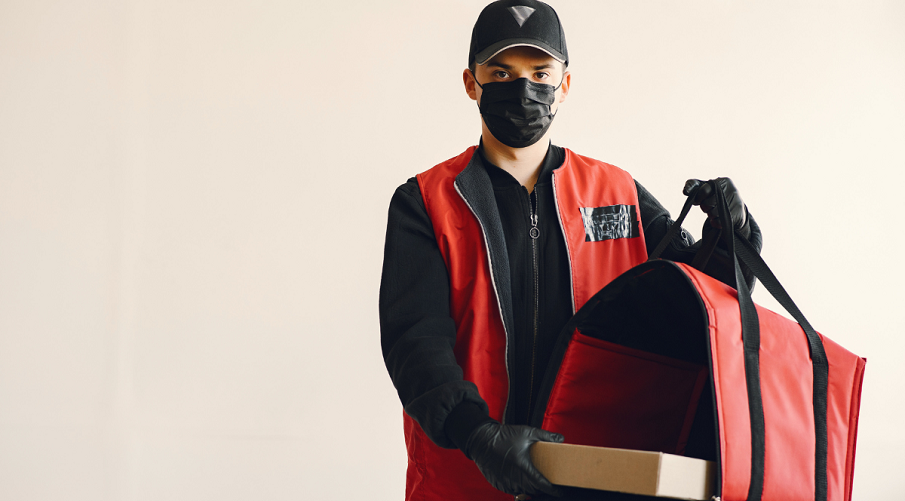
Medical couriers specialize in transporting medical equipment, human specimens, and important healthcare documents safely.
Medical couriers guarantee a quick and simple delivery process to ensure all parcels and envelopes arrive on time at their destinations.
Hospitals and primary healthcare facilities rely on this type of courier to support their daily operations and improve patient care.
Let’s take a closer look at the services provided by medical couriers.
You can learn more about an individual company’s unique service offerings by checking their website. For example, you can learn about Los Angeles Couriers at www.losangelescouriers.com.
5 Services that a Medical Courier Provide:
1. Transportation of Medical Specimens.
Many human specimens, including blood samples and semen samples, need to be tested within the hour.
Otherwise, the proteins in these tissues unfold, and laboratory staff can no longer use or analyze the samples.
Medical couriers ensure efficient and reliable delivery of tissue samples and liquid specimens so they arrive at the lab in time for analysis.
They can use specialized containers and temperature controlled packaging that maintains sample integrity during transit.
2. Pharmaceutical Deliveries.
Healthcare facilities require a constant supply of medications and other pharmaceutical supplies.
They often rely on medical couriers to deliver these supplies on time, so they always provide the necessary medications to their patients in the long term.
Reliable delivery of medications and pharmaceutical equipment also helps to maintain stock levels and allows the healthcare facility to fulfill repeat prescriptions or large orders if required.
3. Transportation of Medical Equipment.
Hospitals and primary healthcare facilities often require a large volume of tools, devices, and equipment to provide the best patient care.
These tools may be used for diagnostic purposes or treatments.
Medical equipment can be large, bulky, and heavy, and it’s often fragile and expensive.
To ensure this equipment arrives safely and intact, medical couriers use appropriate packaging and handle deliveries with care.
The safe delivery of important medical tools and devices means patients can receive the care and treatment they need without delays.
As a result, healthcare facilities and practices can maintain a high level of patient satisfaction and positive patient outcomes.
4. Regulatory Compliance.
Credible and well known medical couriers abide by industry standards and regulations regarding the transportation and delivery of medical goods.
Choosing a reliable medical courier service enables healthcare facility owners and staff members to feel confident when sending and ordering medical supplies, medications, pharmaceuticals, and diagnostic equipment.
5. Delivery of Medical Records and Documents.
Although many medical records are maintained electronically, paper documentation is still prevalent in the medical field.
They may be required for patient records, test results, surgery listings, or medical malpractice cases.
Healthcare facilities often need to send documents, such as patient notes, test results, and administrative paperwork, to nearby hospitals and clinics.
For this, they rely on medical courier services that can deliver these documents quickly and safely, so they arrive at their destinations free of damage.
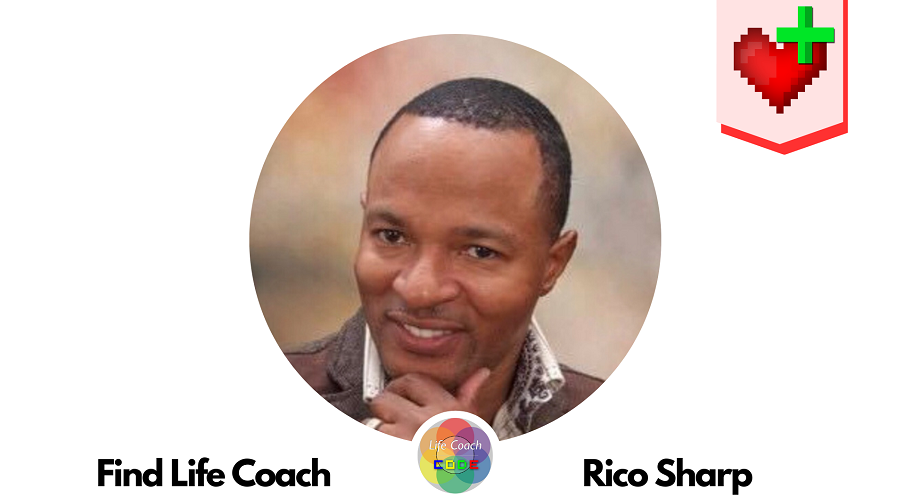
Rico Sharp is one of the coaches that we found this month and we did a little interview with him. He impressed us with his wisdom and motivation.
He is a coach who has dedicated his life to helping individuals overcome obstacles, discover their true potential, and find inner revitalization. With 27 years of experience in life coaching and 32 years as a public speaker, Rico has made a profound impact on the lives of countless individuals. His journey into coaching began when he took on the role of a pastor, seeking to bring balance, stability, and progress into people’s lives.
His own life story is a testament to his resilience and determination. He faced homelessness, drug addiction, poverty, criminality, and incarceration. Yet, he emerged from these challenges, defeating self destruction and using his personal transformation as a powerful tool to guide and inspire others.
What sets Rico apart as a coach is his unique and motivating approach. His coaching journey is not just a career, it’s a life mission built on decades of experience in discovery and recovery. His powerful message and interpersonal approach have proven transformative for those seeking a fresh start and a renewed sense of self.
Meet Life Coach Rico Sharp:
Name: Rico Sharp
Pillar: The Heart
Who is this coach for: Anyone who wants motivation to grab their life and live sharp.
How they can help: Through motivation and custom made plans.
First of all, how are you and your family doing after these Pandemic times?
The Pandemic was a pruning and proving time that refined and defined me as a person which help to put priorities in place and develop proper perspectives.
How did the coronavirus pandemic affect your clients? Did it affect you at all?
A. The Pandemic brought many clients to an all time high of personal depression and business regression.
B. The Pandemic affected me personally through the death of my father and through the sickness of my family.
What are the biggest lessons that you learned in this pandemic?
I learned to value life, value family, value time and value opportunities.
The Origin:
Tell us about you, your career, how you started with your coaching career?
I am 52 years of age, married for 32 years, 3 children and a grandson.
I am an entrepreneur for 29 years, a life coach for 27 years and a public speaker for 32 years.
I got started with my coaching career when I started pastoring as a way to help bring balance, stability and progress into people’s lives.
What was your biggest obstacle that you had to overcome in your life that made you who you are today?
I had to overcome homelessness, drug addiction, abstract poverty, criminality and incarceration.
To summons it all up, I had to overcome self destruction.
The Coaching Style:
How do you innovate with coaching your clients?
I innovate through personal observations due to each client having unique personalities, unique circumstances and unique goals.
Through my observation, experience and revelation of each client, I subscribe personalized plans taylor made to recalibrate and reposition each client for resuscitation and revitalization.
What’s unique about your coaching approach?
My Coaching uniqueness is that I make an interpersonal approach to revive the inner spirit and soul of mankind.
What benefits do your clients get after working with you?
My clients get the benefit of being born again or renewed in their interpersonal being such as their mind, will power, confidence, self worth, courage and self belief.
Do you use any specific tools to be efficient with your clients?
My greatest tool is my personal journey of transformation and transition from shame to fame and from a breakdown to a breakthrough coupled with 32 years of experience in discovery and recovery.
The Impact:
If you had a super megaphone that, when you speak into, the whole world will hear your message, what would you say?
If I had a megaphone I would tell the world three things:
A. Don’t let life kill you.
B. Forgive yourself for your failures, your flaws, and your faults.
C. Life goes on.
What is the greatest lesson you have learned in your life?
My greatest lesson learned in life is to believe in yourself, love your self and forgive yourself.
Your final thoughts?
My final thought is my famous quote:
“Life is what you make it, when your opportunity comes you take it. You be Sharp now and maximize your moment and make yourself a great life and think sharp, plan sharp, talk sharp, walk sharp, dress sharp, eat sharp, live sharp and you’ll be sharp.”
Where Can You Find Rico Sharp?
If you liked this interview and you would love to be motivated into living your life sharp, go to https://www.ricosharp.org/ and see how Rico can help you.
If you’d like to peak a glimpse into his motivation, go and watch his YouTube or follow his Instagram and TikTok.
If you’d like to connect more personally with him, you can do that through LinkedIn, Facebook, or by sending him a message to his Email [email protected]. It was an honor having this interview with him.
Alice Grace is one of the coaches that we found this month and we did a little interview with her. She impressed us with her bravery and honesty.
Her journey as a coach and mentor began during a challenging period known as the “Dark Night of the Soul,” which gripped her from the age of 13 to 21. Struggling with severe mental and emotional issues, she found herself in a place of deep meaninglessness, even reaching a point of contemplating suicide. Frustrated with the limitations of conventional medicine, Alice’s parents sought alternative healing methods, leading them to Master Del Pe, who became her mentor and healer.
She found her higher purpose exactly there, to guide and mentor others traversing their own Dark Night of the Soul, helping them transition from darkness to light. She underwent professional training within Master Del Pe’s organizations, specializing in energy management for depression and anxiety, as well as delving into the realms of Esoteric Psychology.
Her journey out of darkness has led her to be a beacon of hope for others, and her unique approach to coaching integrates energy healing techniques, customized strategies, and a comprehensive system for total transformation. Here is what she said.
Meet Life Coach Alice Grace:
Name: Alice Grace
Pillar: The Spirit, The Mind, The Body, The Heart
Who is this coach for: Anyone who wants to get over their Dark Night of the Soul and find their soul’s path, heal, attain wellbeing and reduce suffering.
How they can help: By using various tools and techniques like bio mechanical exercises, breathing techniques, meditations, martial arts, energy healing techniques, just to name a few.
First of all, how are you and your family doing after these Pandemic times?
The pandemic didn’t affect me much personally as I live in a remote mountain area in the Philippines.
However, it significantly impacted my career as more and more people required assistance in terms of healing.
We were very busy at the Institute I work for (the World Institute for Incurable Diseases)!
Family wise the pandemic was not that lenient.
My mother in fact works in the health field and she had to undergo all the mandatory procedures that severely impacted her health, she has still to totally recover from that.
On another level, I think the pandemic dynamics contributed to reveal certain power plays and social engineering mechanisms that were hidden before and helped people to be more aware and awakened.
How did the coronavirus pandemic affect your clients? Did it affect you at all?
As I wrote earlier, the pandemic increased my clientele considerably, as more people were in need to be helped to recover from the virus or to face life crises.
Many of them had family crises brought by living in closed contact with each other 24 hours, 7days per week, like stress, etc.
Addictions also spiked, business were in crises, and Dark Night cases also increased.
Ultimately, some of my students got in touch because they were bored and unsatisfied of their current lives and this pushed them to expand their horizons wanting to explore new ways and grow spiritually.
What are the biggest lessons that you learned in this pandemic?
I think life lessons never end.
A personal attitude I like to carry with me every day is the humility to learn something from every situation and every person I meet.
I believe this attitude allows you to be detached and observant and take everything as a learning experience in life.
During the pandemic I learned and got passionate about geopolitics and how the world works, so my greater lesson was certainly an increased discrimination regarding media propaganda and socio economic power plays.
The Origin:
Tell us about you, your career, how you started with your coaching career?
My journey as a coach and mentor of the World Institute for Incurable Diseases started from a healing journey and recovery from the Dark Night of the Soul, that hit me at the very young age of 13 and lasted, in its acute phase, till I was 21.
I experienced deep meaninglessness and struggled with severe mental and emotional issues till a suicidal stage.
My parents were desperate and disappointed from allopathic medicine that could not help me and they started to look for alternative healing systems.
Eventually they reached out to Master Del Pe, who healed me and became my mentor.
Master Del Pe explained that normal medicine could not help me because I was undergoing a stage of human evolution brought by my Soul to help me to awake to its Path.
That feeling of emptiness I was experiencing was due to the lack of a higher purpose in my life that my Soul was ready to pursue.
It was after my healing journey that I decided to take on the responsibility of being a guide and a mentor to those undergoing the Dark Night of the Soul to help them “cross the bridge” and go from Darkness to Light, to a bigger light eventually.
I trained professionally in Master Del Pe’s organizations (the World Institute for Incurable Diseases and the BElife Institute for Higher Consciousness) and specialized in energy management for Depression and Anxiety.
Meeting Master Del Pe and being mentored personally by him eventually brought me on my Higher Path facilitating and bringing to advanced Souls the teachings and principles of Esoteric Psychology, whose frameworks allow us to grasp how the macros work and our interrelationships with them and the interrelationships between macro to macro: our place in evolution and the nature and growing process of our Earth, Solar System, etc…
Pursuing and unveiling these truths is my passion and it brings me so much joy to share with my students what can only be grasped and imagined of the bigger picture!
What was your biggest obstacle that you had to overcome in your life that made you who you are today?
As you grow and shine more light, the dark shades are more visible and the unfolding of your potential also brings its karmic counterpart that needs to be balanced to be able to go to the next step.
At first you need to work out your grossest lessons but as your light increases and refines, small defects become very visible and they seem to be bigger than they are, because your sensitivity to darkness and light has also increased.
As you move to your next step all that belongs to your current state needs transformation and renewal, as this is the nature of the spiritual path, and continuous screening of your old impurities and obsolescence compared to the light of your next step towards your divine essence.
I would say that personally my greatest challenge in the past was really to get out of hell.
But nowadays, I choose the Path of my Soul, which brings great fulfillment, but it’s not always easy as you often get tested in your choices.
The Coaching Style:
How do you innovate with coaching your clients?
I am not only helping my clients with coaching and mentoring, I also use energy healing techniques I have been trained to manage.
In our system we work on the different energy levels (physical or vitality, emotional, mental and spiritual) and energy centers to balance them (each disease is in fact brought by an imbalance between these bodies and energy centers).
We also work on the karma and the root causes of these imbalances and diseases that sometimes lie in our past, in our lineages.
We are in this way able to address all aspects of health.
We also make sure that our clients have strategies and tools they can use every day to maintain their health and wellbeing.
It’s not only healing coaching, we offer a total transformation!
In addition to that, to those in the Dark Night or ready to grow spiritually, we provide strategies to embody their purpose and a curriculum to pursue it.
What’s unique about your coaching approach?
I mentioned earlier that the approach I use is unique, systematic and complete and can bring total transformation to someone’s life.
To add to that I would like to stress that I pay particular attention to each person’s needs and customize my approach based on the type of person I have in front.
What benefits do your clients get after working with you?
I have worked successfully in my field of specialization in depression and anxiety helping people recover from severe states.
Some undergoing their Dark Night were able to find their path and fulfillment.
I have also successfully helped cases with substance abuse and the coronavirus, along with mental issues of medium severity.
Do you use any specific tools to be efficient with your clients?
In my sessions I use physical bio mechanical exercises, breathing techniques, meditations, martial arts, energy healing techniques and self auditing and discovery coaching strategies to maximize the impact of each session.
The Impact:
If you had a super megaphone that, when you speak into, the whole world will hear your message, what would you say?
I would tell everyone to stand and always fight for what is good, true and beautiful and fair and just in this world.
Too many are still blind and manipulated by the system to be that and desensitized to evil, too many are too lazy and compliant to change and those who are ready are not always answering the call.
My worry is the youth.
We can see a progressive degeneration in the young generation, drawn into vices and lost in a fake online reality, purposeless, spineless, ignorant and incapable of critical thinking and numb (luckily there are exceptions).
The world will be in their hands tomorrow and which world will it be?
Yet educational institutions are compliant with this progressive disintegration of humanity and values.
That’s another battle that we will need to fight sooner than later if we want dignity and humanity to survive.
What is the greatest lesson you have learned in your life?
That’s a million dollar question.
I think a had a few and for sure more to come.
My adolescence, with all the drama that went on, taught me discrimination: how to choose and discriminate good and evil, and also to think critically.
Later on, I learned the value of service, how at the end your fulfillment and realization is commensurate and directly proportional to your service and usefulness to others.
But the greatest lesson I think I have learned is the freedom that a spiritual life and doing your Soul purpose brings you, it’s worth living, or dying for.
Your final thoughts?
I look forward to help as many people as possible and share the precious teachings I have received that can be the guiding lights to many!
Where Can You Find Alice Grace?
If you liked this interview and if you would love to see how Alice can help you align with your soul’s path and relieve suffering, go to https://www.wiidglobal.com/ and book a session with her.
If you’d like to learn more about esoteric psychology and its curriculum, take a look at www.bihcglobal.com.
She is also actively writing on her personal blog and you can read it here.
If you’d like to connect more personally with her, you can do that through LinkedIn or by sending her a message on her Email [email protected]. It was an honor having this interview with her.
“Love is not a need, it’s a sharing. When two people come together, they should enhance each other’s existence, not complete it.” — Osho
Relationships are the cornerstones of our lives, serving as platforms and catalysts for transformation and personal growth.
They mirror back our strengths and weaknesses, teaching us valuable lessons along the way.
To build and maintain successful relationships, we need the right ingredients.
In this article, we’ll explore the five essential components for nurturing strong and lasting connections with others that Maureen Scanlon shared with us in our latest podcast episode.
Who is Maureen Scanlon?
Maureen is a certified life coach, relationship expert, author, speaker, and podcast host.
She is a speaker and a workshop trainer on the Superhuman Summit, her sessions are on the day of The Heart or 14th of November.
The Superhuman Summit is a 4 day virtual event that dives deep into each of the 4 fundamental pillars The Spirit, The Mind, The Body, The Heart, to help you uncover the 4 superpowers that are hidden within.
It’s happening from 11th till 14th of November.
There will be 30 renowned coaches and experts, workshops, panels, networking opportunities, and incredible FREE gifts by each speaker.
These experts typically charge a minimum of $1000 to work with them, BUT you’ll gain access to work with them for less than 40$.
Imagine relationships as personal growth laboratories.
They offer us a unique opportunity to evolve by mirroring our flaws and challenging us to transcend our limitations.
The purpose of a relationship is to create a platform for two individuals to mirror each other’s flaws, fostering continuous growth and transformation.
These transformative platforms are where we learn to love unconditionally and grow as individuals.
But, in order to create a successful relationship, we must first start with ourselves…
The Foundation: Self Love
Before you can build successful relationships with others, it’s essential to love yourself.
Self love is the starting point for a healthy, lasting connection.
What you love in others is often a reflection of the aspects you cherish within yourself.
When you are whole and have embraced all the suppressed parts of yourself, you can build more meaningful connections with others because you will not mirror repressed parts of you upon them.
But what does “LOVE YOURSELF” really mean?
It’s not that you don’t love yourself, if that was the case your body would have stopped working long time ago.
Your body has trillion of processes happening every second just because it wants you to live, it wants itself to live, to be well and healthy.
Your body works even when you are unhealthy, trying to heal you. It doesn’t question you or doubt you.
Your mind thinks even when you are tired.
Your heart feels even when the feelings can be overwhelming.
Your spirit is always there, like air, waiting for you to breathe even when you doubt yourself.
When we say “love yourself”, what we truly mean to say is remove all the blocks, mental or emotional, all beliefs that are making you live as if you are not loving yourself. Because the truth is, you love yourself, unconditionally, all the time.
In fact, the deeper truth is that, YOU ARE LOVE.
So, loving yourself really means understanding this truth and embodying this truth that you are love and that you love your self unconditionally, your body, heart, spirit, mind, ALL OF YOU.
Embrace every aspect of yourself…
Then, you are able to change and improve the relationship you have with life.
In many ways, animals are more enlightened than humans.
They live in the present moment, experiencing life without the weight of the past or the burden of chasing happiness while avoiding suffering.
Their relationship with life is healthier because they embrace every aspect of it.
Learning from animals, we can build more meaningful connection with ourselves and life.
By embracing every aspect of ourselves first, then of life.
That’s your foundation where you can build upon…
The Ultimate Recipe for Successful Relationships: The 5 Vital Ingredients
Successful relationships are like delicious dishes done by carefully following a sacred recipe that requires a mix of few essential ingredients to create lasting bonds.
These ingredients serve as the foundation for understanding, trust, authenticity, and shared joy in any connection.
First you need the foundation, but just loving yourself is not going to ensure a lasting relationship.
A relationship is like a temple that you build with another person, and both of you need a solid foundation so you can build stable pillars and a beautiful contruction, a platform where both of you can be transformed.
Ingredient 1: Communication
Effective communication is the cornerstone of any thriving relationship.
It’s not just about talking, it’s about truly understanding each other.
The source of many problems in relationships is the mismatch between what is said and what is meant.
Developing a mutual language is essential for establishing effective communication.
And that doesn’t mean you will always agree on every topic.
Remember, the goal isn’t always to agree but to be heard and understood.
Ingredient 2: Trust
Trust is like the glue that holds relationships together.
It’s not freely given, it’s earned over time.
Trust emerges from a leap of faith and the willingness to take the risk of betrayal.
It cannot exist in a controlling environment where every aspect of a relationship is micromanaged.
Instead, it thrives when partners allow opportunities for trust building to flourish.
Just as you don’t control every part of a sailing ship, only the steering wheel and where the sails are directed, you shouldn’t attempt to control every aspect of your relation ship.
If you try to micromanage every aspect of the ship, and overstress whether or not the wind is blowing in the right direction, you will not sail anywhere.
Don’t be controlling, be in control.
Let the wind blow, trust the ship to hold you on water, and focus on where the sails are directed and hold your steering wheel.
In order to know what ship can be trusted to sail into the wildest waters, you need to give the ship the opportunity to sink while you are in the shallow.
If the ship starts sinking, abondon the ship, or if the hole is fixable, fix it. But it’s pointless to micromanage everything so the ship won’t sink. That’s not what ships are made for.
Trust is nurtured by giving it space to grow.
Ingredient 3: Honesty
Honesty is the foundation of trust and transparency.
Without honesty, the ship can sink really fast.
But also, it can become a prison.
Healthy relationships are built on the freedom to be yourself, to act authentically, and to maintain your beliefs with your partner.
When you’re honest, you’re actively earning trust.
This requires showing your true self in various situations, where your actions speak louder than words.
Ingredient 4: Respect
Mutual respect is another key ingredient in the recipe for a healthy relationship.
It begins with self respect and extends to respecting your partner.
When respect is present, it sets the stage for healthy boundaries and effective conflict resolution.
In all relationships problems arise.
There might be conflicts of ideas, arguments, obstacles.
In respectful relationships, problems are seen as challenges to overcome together.
The mantra is, “It’s not me against you, it’s us against the problem.”
If respect is not present, people might easily turn against each other when problems arise.
If respect is not present, people might step on each other’s boundaries.
But if respect is present, people see themselves as partners that contruct this “temple” together, and the problems are not opportunities to destroy the “temple” but challenges that they need to solve as partners.
Ingredient 5: Fun
Fun is the secret sauce that makes relationships truly worthwhile.
It’s the element that makes you say, “I want to spend my life with this person.”
Whether it’s laughter, shared adventures, travel, or creating new experiences together, fun is essential for nurturing bonds.
When you play, you reconnect with your inner child, unlocking the wellspring of unconditional love.
And then you pour that unconditional love into the relationship.
Even sailing most of the time is not about reaching the destination, it’s about the the shanties you sing along the way, the adventure and the fun of the voyage.
What You Should Remember?
In conclusion, successful relationships are nurtured by the genuine love and acceptance we have for ourselves.
By incorporating the five essential ingredients into our interactions, we can create bonds that thrive on understanding, authenticity, and shared joy.
When you apply these principles, you’ll find that your relationships become a source of personal growth, transformation, and lasting love.
Remember that these ingredients require effort, but the rewards are immeasurable.
By loving yourself, being authentic, and practicing the art of trust, respect, and open communication, you can create connections that bring true happiness and fulfillment into your life.
And of course, don’t forget about having fun.
Go on adventures.
Play.
Everything we talked about in this article is just a glimpse of what the true superpower of The Heart can do if you know how to harness it. Join us on the Superhuman Summit this November to discover how to unleash all of your 4 superpowers.
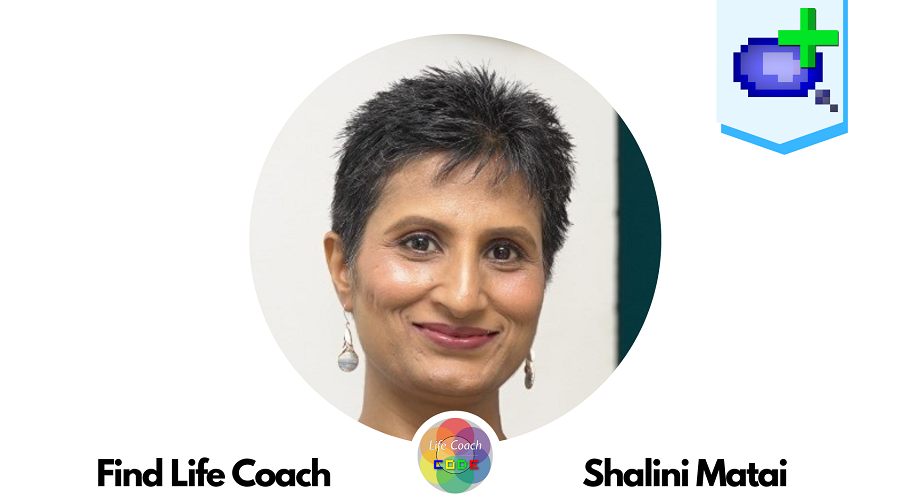
Shalini Matai is one of the coaches that we found this month and we did a little interview with her. She impressed us with her focus and commitment.
She found her calling through a deep seated passion for learning and personal growth. Transitioning from a small town in India to a career in marketing and finance in Jakarta, Indonesia, she came to recognize the multifaceted nature of personal development and growth. This realization sparked her mission as a Transformation Facilitator and Coach, dedicated to enabling inner growth for individuals and organizations, with a focus on creating enduring, sustainable change.
Her coaching approach is marked by an unwavering commitment to fostering transformation. She draws upon a range of coaching methodologies, such as Ontological, Epistemological, and Transformational coaching, to guide her clients on profound journeys of personal and professional development. This approach is aligned with her vision of a world where learning, ethics, inclusivity, and collaboration serve as the foundations of all endeavors.
She firmly believes that the pursuit of learning, ethical conduct, inclusivity, and collaboration is fundamental to achieving sustainable, high performance outcomes for both individuals and organizations. What distinguishes her coaching approach is her profound dedication to the growth and evolution of the individual, rather than just the role they play. Here is what she said.
Meet Life Coach Shalini Matai:
Name: Shalini Matai
Pillar: The Mind
Who is this coach for: Individuals and organisations who want to reach their goals, gain clarity, and achieve a multi level inner growth.
How they can help: By using various coaching methodologies, including Ontological, Epistemological, and Transformational coaching, just to name a few, and fascilitate transformation.
First of all, how are you and your family doing after these Pandemic times?
My family and I have faced challenges like many others during this pandemic.
However, we channelled our commitment to learning and growth into adapting to these changes, emphasizing the importance of resilience and adaptability.
The Origin:
Tell us about you, your career, how you started with your coaching career?
My coaching journey was born from my profound passion for learning and growth.
As I transitioned from growing up in a small town in India to living in Jakarta, Indonesia and build a career in marketing and finance, I realized that personal development and growth are multifaceted endeavors.
This realization fuelled my mission as a Transformation Facilitator and Coach, where I aim to facilitate multi level inner growth for individuals and organizations, creating long term, sustainable change.
The Coaching Style:
How do you innovate with coaching your clients?
My coaching approach is grounded in my commitment to fostering transformation.
I draw on various coaching methodologies, including Ontological, Epistemological, and Transformational coaching, to help my clients embark on a profound personal and professional development journey.
This approach aligns with my vision of a world where learning, ethics, inclusivity, and collaboration are at the core of all endeavours.
What’s unique about your coaching approach?
What sets my coaching approach apart is the profound commitment to the growth and evolution of the person rather than the role they play.
I create a space for my coachees rooted in non judgment, compassion, and self inquiry, fostering a transformative environment supporting personal and professional growth.
I believe that the pursuit of learning, ethical behavior, inclusivity, and collaboration is fundamental to achieving sustainable, high performance outcomes for individuals and organizations.
What benefits do your clients get after working with you?
Clients who work with me experience significant changes in their lives.
They gain a deeper understanding of the drivers of their behaviors, how to overcome their fears and the actions they can take to transform their outcomes.
They emerge with clarity of who they are and how their purpose, goals and aspirations align with their values.
My coaching approach facilitates authentic communication and introspection, enabling my clients to strike a balance between their personal and professional lives while striving for meaningful growth in both.
The Impact:
If you had a super megaphone that, when you speak into, the whole world will hear your message, what would you say?
I would proclaim,
“Every human being has untapped potential, growth opportunities are unlimited and all resources needed to live this potential are within us. What holds us back from being who we are is our beliefs and assumptions. All we need is an Open Mind, Open Heart, and Open Will to transform and transcend all mindsets that limit us”
What is the greatest lesson you have learned in your life?
The mind is immensely powerful.
It can create an altered reality and constructs that limit us, and only the mind itself can recognize its faulty thinking and self created constructs, opening new possibilities for growth.
Your final thoughts?
Life is a continuous journey of learning and growth, and it’s this journey that fuels my dedication to helping individuals and organizations achieve sustainable, long term change.
By fostering self inquiry, compassion, and open communication, we can collectively aspire to create a brighter and more inclusive future that aligns with the values at the core of my coaching approach.
Where Can You Find Shalini Matai?
If you liked this interview and you would love to see how Shalini can help you gain more clarity and understanding of the driving force behind your behaviors, go to https://oneconsciousproject.com/ and discover your next step.
If you’d like to learn more about her coaching, follow her Instagram and LinkedIn company, there you will find more about what she is doing.
If you’d like to connect with her more personally, you can do that through LinkedIn, by following her personal Instagram account or by sending her a message on her Email [email protected]. It was an honor having this interview with her.
The unrelenting nature of chronic pain can have a profound impact on an individual’s life, affecting their physical, emotional, and mental well being. Unfortunately, many who grapple with chronic pain often turn to substances like opioids to alleviate their suffering, unwittingly stepping onto a perilous path of substance abuse.
This article explores the intricate relationship between chronic pain and substance abuse, shedding light on the multifaceted nature of this issue.
5 Things You Need to Know About Chronic Pain:
1. Debilitating Effects of Chronic Pain.
Chronic pain is not merely a temporary discomfort, it’s an ongoing battle that can make even the simplest daily tasks a challenge.
It can result from conditions such as arthritis, fibromyalgia, migraines, or injuries that don’t heal correctly.
This relentless pain can lead to sleep disturbances, mood disorders, and a decreased quality of life.
As the pain persists, individuals may desperately seek relief, often turning to prescription painkillers for solace.
Facilities that deal with drug rehab in Utah have experienced professionals who can help deal with the problem of addiction, especially one relating to the use of painkillers and other medications.
2. The Slippery Slope.
Prescription opioids like oxycodone and hydrocodone can provide effective pain relief when used as directed by a healthcare professional.
However, when individuals with chronic pain take these medications for an extended period, they can quickly develop a tolerance, meaning that they need higher doses to achieve the same level of pain relief.
This tolerance can lead to physical dependence and, ultimately, substance abuse.
3. The Danger.
One of the most perilous aspects of chronic pain and substance abuse is the intertwining of tolerance and addiction.
Tolerance leads individuals to consume higher and higher doses of pain medication, while addiction compels them to seek out the drugs, often through illicit means, when their prescriptions run out.
This cycle perpetuates the pain while deepening the addiction, resulting in a dangerous and life threatening situation.
4. The Consequences.
Chronic pain induced substance abuse has far reaching consequences.
On the individual level, it can lead to a myriad of health issues, including overdose, organ damage, and mental health disorders like depression and anxiety.
It can also strain relationships and lead to isolation as individuals prioritize their drug use over personal connections.
The financial burden of sustaining a drug habit can be devastating, potentially resulting in job loss, bankruptcy, and even homelessness.
5. Breaking the Cycle.
Breaking the cycle of chronic pain and substance abuse is a complex process that often requires professional intervention.
Healthcare providers can play a crucial role in identifying individuals at risk and guiding them toward alternative pain management strategies.
This may include physical therapy, non opioid medications, and psychological therapies to address the emotional and psychological aspects of chronic pain.
What You Should Remember?
Chronic pain is a formidable foe that can lead individuals down a treacherous path of substance abuse.
However, with the right guidance and support, it’s possible for those suffering from chronic pain to find relief without falling into the clutches of addiction.
Seek support and guidance from friends, family, and professionals to deal with the problem of drug and substance abuse.
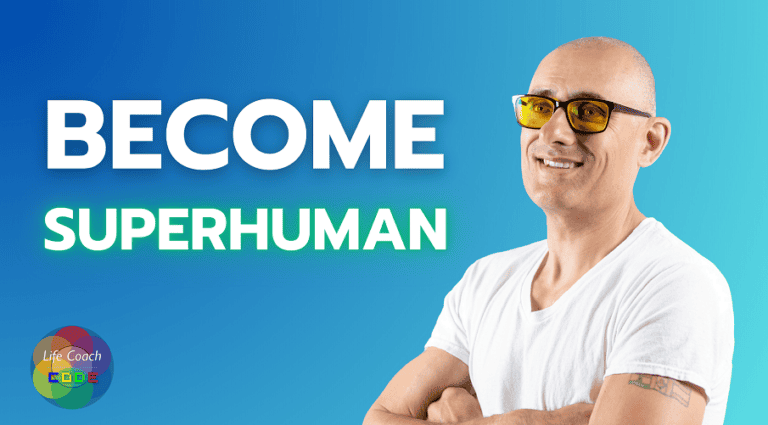
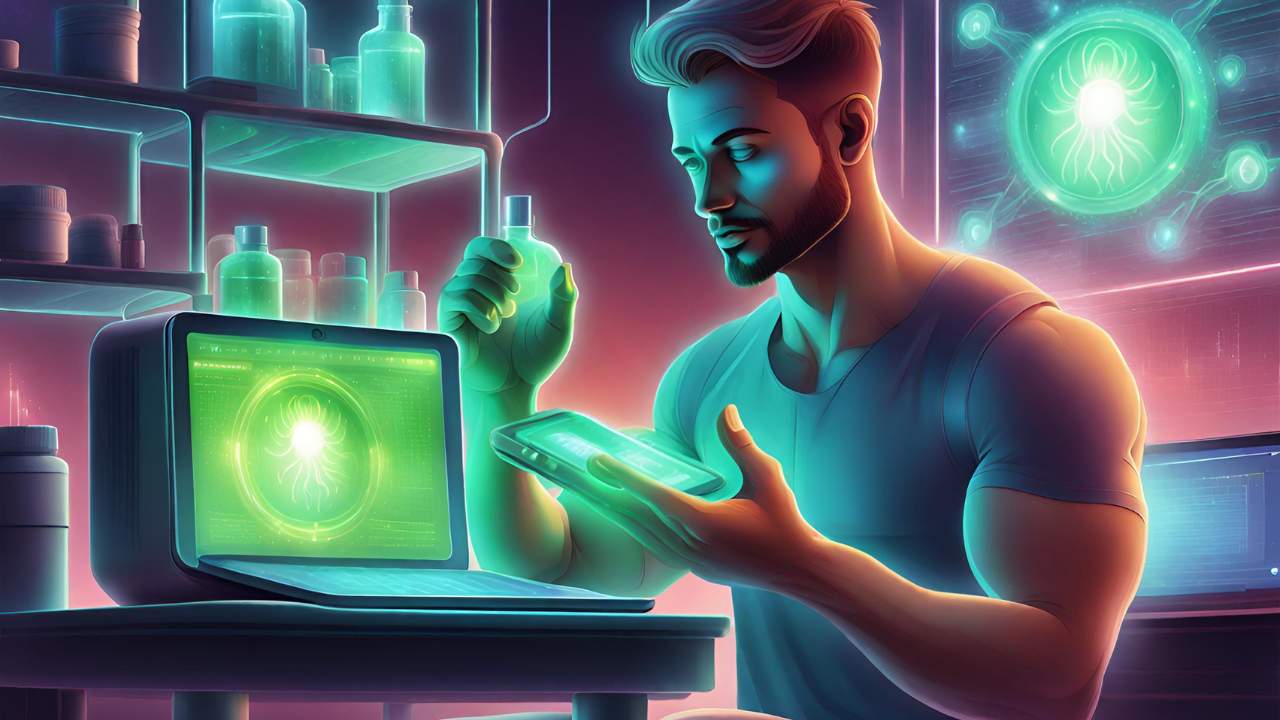
Biohacking has emerged as the secret to unleashing your hidden superhuman potential. There are easy techniques you can do that will help you enhance physical performance, improve mood, strength, vitality, and optimize your health.
Biohacking isn’t about some futuristic technology or experimental procedures, it’s about using a combination of ancient practices and modern tools to tap into your biology’s full potential.
There are some biohacking secrets that can help you become a Superhuman naturally, without the need of infusing yourself with technology.
Everything you need, you already have. Someone just needs to teach you how to use it.
That somebody is Deepak Saini (a Performance Coach, Energy Specialist, and bio hacker).
On the latest episode of the Life Coach Code Podcast, we dive deep with Deepak (no pun intended) into the world of biohacking, exploring various techniques that can help you become a superhuman, naturally.
Who is Deepak Saini?
He is also one of the coaches that will talk on The Superhuman Summit 2023, on the day of The Mind or 12th of November.
The Superhuman Summit is a 4 day virtual event (starting from 11.11) that dives deep into each of the 4 fundamental pillars The Spirit, The Mind, The Body, The Heart, to help you uncover the 4 superpowers that are hidden within.
What makes this event truly exceptional is the lineup: 25+ renowned coaches and experts, offering workshops, panels, networking opportunities, and incredible FREE gifts
These experts typically charge a minimum of $1000 to work with them, BUT you’ll gain access to work with them for less than 40$.
At its core, biohacking involves using practices and technologies to influence your biology, with the goal of enhancing your physical and mental capabilities.
Whether you want to be more focused, have more energy, or simply relax, there’s a biohacking tool or practice that can help you unlock your potential.
The great thing is that many of these tools are freely available and harness the power of nature.
And now the most asked question…
Is Biohacking Safe?
Biohacking, like any other field, has its safe and unsafe practices.
While there are many biohacking techniques that are generally safe, it’s important to note that some practices tread on the edge of safety.
Your individual tolerance for risk can vary, so it’s crucial to understand the balance between the potential benefits and risks of each technique.
Everyone’s safety threshold is different, so it’s important to be mindful of your own limits.
There’s a multitude of biohacking techniques at your disposal, each tailored to specific goals.
There are 3 levels, ranging from the safest practices you can start immediately by using the tools Nature provided to you, going all the way up to the latest technologies, gadgets, and implantable devices that still lack a ton of research to be proven safe.
Let’s start with the first…
What are The 3 Biohacking Levels?
Level 1: Nature.
Begin with the basics, incorporating practices like breathwork, cold exposure, heat exposure, meditation, intermittent fasting, and regular exercise.
These fundamental techniques provide an excellent starting point for unleashing your potential.
You can experiment with natural nootropics and even cognitive enhancers.
Level 2: Data.
At this stage, you’ll dive into biofeedback devices to collect data and identify correlations between your actions and their effects.
In today’s age of wearable technology, biofeedback devices provide real time data about various physiological processes.
These devices, such as heart rate monitors, sleep trackers, and EEG headsets, allow users to gather data and make informed decisions about their routines.
The real time feedback empowers individuals to optimize their daily lives for the better.
Additionally, protective measures like wearing blue light blocking glasses can stimulate healing.
You might also delve into microbiome testing and DNA analysis to gain valuable insights into your body.
The Aura ring, which monitors various health metrics, is a useful tool at this level.
Level 3: Technology.
This level involves the use of devices implanted within your body.
It’s a more experimental territory, and caution is essential.
You should only consider implantable devices if the potential benefits vastly outweigh the risks, 100 times.
The lack of research on their safety and potential unforeseen risks makes it a level for true biohacking pioneers.
7 Beginner Biohacking Techniques You Can Start Doing Immediately:
1. Intermittent Fasting.
This popular technique involves cycles of eating and fasting.
A common approach is a 16 hour fast with an 8 hour eating window.
Fasting for longer periods, like 24 hours once a week, can also be beneficial.
However, it’s essential to be mindful of specific recommendations, such as the 16 hour fasting duration, which may not be suitable for pre menopausal women.
The benefits of intermittent fasting are multifaceted.
Beyond improving focus, it allows your body to burn fat efficiently and triggers a process known as autophagy, where your body consumes weak and dying cells, effectively cleaning and rejuvenating itself.
2. Cold and Hot Exposure.
Inspired by the Wim Hof Method, cold exposure biohacking involves intentionally exposing your body to cold temperatures.
This practice is known to boost circulation, improve immunity, and increase mental resilience.
The act of consciously choosing discomfort and pushing past your limits is an integral part of this technique.
Moreover, cold exposure triggers biochemical changes in your body, resulting in improved mood, increased energy, and a strengthened immune system.
You can amplify the benefits by combining cold exposure with infrared sauna sessions, taking advantage of the hormetic effect, which is the body’s positive response to controlled stressors.
3. Meditation.
It has long been revered as a powerful tool for inner peace and mindfulness, but it also plays a pivotal role in the realm of biohacking.
When used strategically, meditation can lead to significant enhancements in cognitive function, emotional well being, and overall performance.
Biohackers turn to meditation as a means to regulate their biochemistry, improve focus, and manage stress effectively.
Through meditation, individuals can harness the potential of their minds, reprogramming thought patterns and emotional responses.
This ancient practice, often combined with modern technologies like brainwave entrainment and biofeedback devices, offers a versatile approach to improving mental clarity and achieving profound relaxation.
4. Sleep Optimization.
Sleep optimization is a crucial aspect of biohacking that focuses on improving the quality and duration of your sleep.
By implementing various strategies, individuals aim to enhance their physical and mental well being.
This includes creating a sleep conducive environment, practicing good sleep hygiene, and adopting a consistent sleep schedule.
The basics of sleep optimization are sleep in a dark, slightly colder, silent, environment away from electric devices (if you can turn off all electricity at night), and go to bed every night at the same time.
Aim for 8 hours of quality sleep.
Monitoring and analyzing sleep patterns through sleep trackers can provide valuable insights into your sleep quality, enabling you to make data driven adjustments for better rest, improved cognitive function, and overall health.
Prioritizing sleep optimization is fundamental in achieving your biohacking goals and maintaining a balanced, energized lifestyle.
5. Microbiome Optimization.
The gut is sometimes referred to as the “second brain” because of its profound influence on cognitive and mood functions.
This aspect of biohacking involves balancing the gut flora, with equal importance given to consuming prebiotics (fibers) as well as probiotics (fermented foods).
Breathing is one of the most powerful tools that Nature gifted you with.
But most people don’t know HOW to breathe!
The way you breathe significantly influences your overall well being.
Most people tend to breathe too fast and shallow, often through their mouths.
Shifting to nasal breathing can be a game changer.
Not only does it facilitate the production of nitric oxide, but the tiny hairs in your nose act as filters, trapping bacteria and pathogens.
Breathwork, such as the Wim Hof method, offers various breathing techniques that can influence your oxygen and carbon dioxide levels, impacting factors like mood and focus.
For mouth breathers, experimenting with nose breathing can lead to tangible benefits.
Some people tape their mouths while sleeping to encourage this practice, with the assurance that your body will prioritize self preservation, ensuring you can breathe.
There are many breathing practices, here are 9 you can try:
1. Deep Breathing: This involves taking slow, deep breaths through your nose, allowing your lungs to fully expand, and then exhaling slowly through your mouth. Deep breathing can reduce stress and promote relaxation.
2. Diaphragmatic Breathing: Also known as belly breathing, this technique focuses on expanding the diaphragm as you inhale, causing your abdomen to rise. It’s an effective way to increase oxygen intake and reduce shallow chest breathing.
3. Four, Seven, Eight Breathing: Inhale through your nose for a count of 4, hold your breath for a count of 7, and then exhale through your mouth for a count of 8. This practice can help induce relaxation and alleviate stress.
4. Box Breathing: Inhale, hold, exhale, and hold your breath in a pattern of equal counts (e.g., 4 seconds each). It’s a simple yet effective method for calming the mind and increasing focus.
5. Alternate Nostril Breathing: A yogic technique that involves closing one nostril and inhaling through the other, then closing the other nostril and exhaling through the first. This practice is believed to balance energy and promote mental clarity.
6. Pursed Lip Breathing: Inhale through your nose and exhale through pursed lips, as if blowing out a candle. Pursed lip breathing can help improve lung function and oxygen exchange.
7. Mindful Breathing: Paying close attention to your breath as it naturally occurs without trying to control it. This mindfulness practice can enhance awareness and reduce stress.
8. Pranayama: A set of yogic breathing exercises that involve various techniques like Kapalabhati (rapid exhalations), Bhramari (humming breath), and Anulom Vilom (alternate nostril breathing). Pranayama aims to balance energy and promote overall well being.
9. Buteyko Breathing: A method that focuses on reducing breathing rate and volume to increase carbon dioxide levels in the blood, which can have various health benefits, including reduced anxiety and improved lung function.
7. Nootropics.
Also known as “smart drugs,” nootropics are substances, supplements, or drugs that can enhance cognitive function.
You’re likely already familiar with the world’s most famous nootropics: coffee and tea.
However, there are other lesser known but equally effective nootropics like MCT oil, bulletproof coffee, and methylene blue.
These compounds aim to boost memory, creativity, motivation, and overall brain health.
Bulletproof Coffee is basically coffee cocktail including coffee, grass fed butter, and coconut oil.
Advocates claim it provides sustained energy, mental clarity, and improved focus.
And it has been proven to bring many health benefits.
Advanced Biohacking Tools and Practices:
1. Red Light Therapy.
Red light therapy, also known as photobiomodulation, is a revolutionary biohacking technique that employs red or near infrared light to stimulate cellular repair and regeneration.
The application of specific wavelengths of light to the skin penetrates deep into the body’s tissues, where it interacts with cells and mitochondria.
This interaction triggers a cascade of positive effects, including enhanced energy production, reduced inflammation, and improved overall well being.
Users of red light therapy devices often report a myriad of benefits, such as faster recovery from physical exertion, relief from chronic pain conditions, and the mitigation of skin issues.
Additionally, this non invasive and painless therapy has shown promising results in improving cognitive function and mood, making it a popular choice among biohackers looking to optimize their physical and mental well being.
2. Cryotherapy.
Advocates claim that cryotherapy reduces inflammation, accelerates recovery, and boosts energy levels.
It is basically exposing the body to extremely cold temperatures for a short duration.
The cryotherapy enthusiasts immerse themselves in freezing cold chambers or undergo localized cryotherapy treatments.
The objective is to stimulate circulation, strengthen the immune system, and enhance mental resilience through the conscious embrace of physical discomfort.
The benefits of cryotherapy are numerous.
It can result in improved mood, increased energy levels, and a heightened sense of alertness.
Positive stressors like cryotherapy can also enhance overall health and wellbeing, a phenomenon known as hormesis.
As a biohacking tool, cryotherapy is lauded for its ability to improve immune function, reduce inflammation, and promote physical recovery.
3. Implantable Devices.
Implantable devices are an uncharted and unsettling frontier in the world of biohacking and involve surgically implanting foreign objects into the human body.
These devices, which promise to enhance human capabilities, may come at an alarming cost to our well being.
The potential risks and long term effects of implantable devices remain poorly understood, raising significant concerns about their safety.
While they might unlock new horizons for a select few, implantable devices carry an inherent risk that should not be taken lightly.
Caution is paramount, and the benefits must be scrutinized to ensure they truly outweigh the potentially devastating consequences.
What You Should Remember?
In conclusion, biohacking is a dynamic field where science and experimentation meet personal empowerment.
By utilizing a combination of ancient practices and cutting edge technologies, you can unlock your hidden potential, enhance focus, and regulate your biochemistry.
While many biohacking practices are safe, it’s crucial to be aware of the potential risks associated with some techniques.
Any practice can be made unsafe if you don’t know what you are doing, even something as common as drinking water. So we strongly advise to seek expert help if you consider practicing any of these techniques.
Biohacking is all about exploring your body’s full capabilities, and with the right tools and knowledge, you can become the superhuman you’ve always aspired to be.
Start by embracing the basics and progress through various levels of biohacking, discovering what works best for you.
Remember, the journey to superhuman status is an individual one, but with dedication and careful experimentation, the results can be astounding.
So, are you ready to embark on your biohacking journey and unlock your superhuman potential?
Everything that we spoke in this article is just a glimpse of your body’s full superhuman potential!
Join us on the Superhuman Summit this November to discover how to work with Deepak, unlock the full potential of your body, and unleash all of your 4 superpowers.
By Dr. Dolores Fazzino, Nurse Practitioner, Medical Intuitive
Do you ever feel like life has become an overwhelming burden, making it hard to pick yourself back up again? In a whole new episode of The Dr. Dolores Show, we explored the concept of resilience, inner strength, and the ability to navigate life’s challenges with grace.
This article will delve into some of the profound takeaways from that conversation, offering valuable insights into personal growth and empowerment.
The Dr. Dolores Show: 6 Self Care Secrets in Challenging Times
1. See The Bigger Picture.
Life can sometimes leave us feeling stuck, overwhelmed by its challenges, and struggling to regain our momentum.
Dr. Dolores Fazzino suggests that one effective way to overcome these hurdles is by stepping back and seeing the bigger picture.
When we view our journey from a broader perspective, we become better equipped to move forward, regardless of the obstacles we face.
2. Focus On The Hidden Gems.
Resilience isn’t just about enduring difficult times, it’s about thriving despite them.
Dr. Fazzino encourages us to continue shining our inner light even when life gets tough. This inner light is a source of strength and positivity that can guide us through adversity.
Within every challenging situation, there are hidden gems, much like gold nuggets waiting to be discovered.
3. Embrace Your Inner Resilience.
Distractions and external influences can sometimes prevent us from realizing our full potential. Dr. Fazzino believes that embracing resilience is a way to reclaim our personal power.
By focusing on inner strength, we become less susceptible to distractions that hinder our progress.
When you tap into your inner resilience, a powerful force ignites within you. This inner power can be a driving force for personal transformation and success.
It enables you to face life’s challenges with courage and determination.
4. Stay Present.
Being present in the moment is a key aspect of personal growth.
Dr. Fazzino emphasizes that when you are in your heart, you enter your body, and when you are in your body, you are fully present.
This presence can help you make the most of every experience and opportunity.
5. Remember Your Higher Self.
It’s important to remember that your earthly existence is just a small part of your higher self.
By recognizing this, you can tap into a deeper understanding of your purpose and potential.
Embracing your higher self can provide profound insights into your life journey.
6. Stay Fluid.
Imagine your life as a vessel floating down a river.
When you go with the flow, you embrace the natural course of life, making it easier to navigate challenges and changes.
This fluidity and adaptability can lead to a more fulfilling journey.
To donate to our podcast “The Dr. Dolores Show” please snap the QR code. Your donations will ensure our work continues to be produced and hosted globally.
What to Look for In This Episode of The Dr. Dolores Show:
“Do you ever feel like life has gotten so burdensome that it is hard to pick yourself back up again?” Dr. Dolores Fazzino (02:05)
When you are able to step back and look at the big picture, you are able to gain momentum and move forward in your life. (10:13)
“Resilience is about moving through those difficult and challenging times and still being able to shine your inner light.” Dr. Dolores Fazzino (18:31)
When you are able to look deeper into a situation you will find all these gold nuggets. (20:13)
I believe the distractions we are part of try to keep us from gaining our own personal power. (25:55)
When you tap into your inner resilience a power ignites inside you. (27:46)
When you are in your heart you enter into your body, when you are in your body you are in the present moment. (35:14)
What you are here on earth is a small fraction of your higher self. (36:50)
Imagine you are like a vessel moving down the river, it is easier to go with the flow. (40:29)
When you tap into your creativity a lot of things start to manifest. (45:23)
CLICK BELOW TO LISTEN & WATCH TO “THE DR. DOLORES SHOW” PODCAST:
FIND THE DR. DOLORES SHOW WITH DR. DOLORES FAZZINOHERE