
Whichever part of the equation you come from, the biggest muscle that not enough players strengthen when it comes to online gambling has to do with bankroll management.
This represents the biggest weak link in the online gambling industry itself.
In fact, online gambling has never been so accessible.
Only a few taps are needed for players to join online casinos, bet on their favorite sports, or explore online competitions from the comfort of their homes.
While this is quite exciting, it also poses a risk of losing track of your cash faster than you think.
This is where money management becomes important.
It may not be very glamorous work, but one of the most useful things any online gambler can ever learn is money management.
Good money management has nothing to do with winning in every single session.
It is all about keeping everything in perspective, taking care of your finances, and developing good habits.
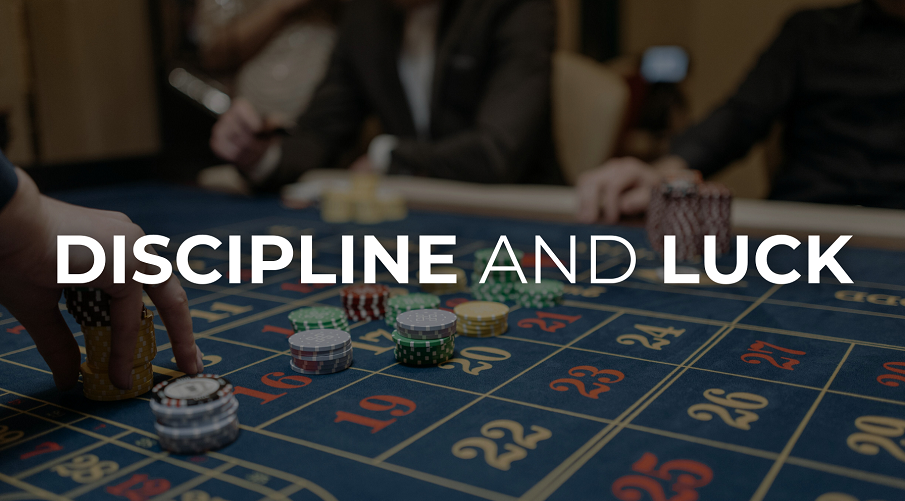
Where Discipline and Luck Meet
What bankroll management really means.
Bankroll management is actually straightforward.
A bankroll is the amount of money set aside specifically for gambling.
Bankroll management is about understanding how much money you can risk and knowing when you should stop.
The most important factor is separation.
Your gaming budget must never be mixed with money for rent, groceries, or savings.
It should be treated as entertainment money, similar to what you would spend on a night out or a concert ticket.
If gamblers do not allocate their bankroll, there is a high chance they will gamble emotionally.
This is where gamblers who allocate their bankroll gain an advantage over those who do not.
This step prevents gamblers, especially emotional gamblers, from making financial decisions based on feelings rather than logic.
Managing finances in multiple games.
Modern platforms place many options into one environment.
These platforms often offer sports betting, online casinos, live games, and more all on the same site.
When you add the temptation of local platforms that offer promotions, such as those available in South Africa, it becomes easy to jump between multiple options.
This variety can be enjoyable, but it is essential to manage your bankroll effectively regardless of which games you choose.
One good practice for managing your bankroll is setting aside separate funds for different games.
One portion might be dedicated to slots.
Another portion could be allocated to table casino games.
Yet another portion could be reserved for sports related betting.
Bankroll management is more important than strategy.
Some gamblers spend hours studying game rules or betting techniques while completely ignoring bankroll management.
This is a serious mistake.
You can have the best strategy available, but if your bankroll disappears in a single bad session, the strategy will not save you.
Variance is always part of gambling.
Even the smartest strategies can experience losing sessions.
A well managed bankroll helps you survive these swings.
Determining a gambling budget that is unlikely to cause stress.
The first step is to make a budget by deciding the amount of funds you are comfortable possibly losing over a specific time period.
This time period could be weekly or monthly.
Ask yourself one simple question.
Would I notice if I lost this money?
If the answer is yes, then you are risking too much.
Once you establish your bankroll, it is wise to divide it into smaller units.
Many professional gamblers prefer to set limits per session or even per wager.
For example, instead of betting $200 in just one sitting, it’s best to wager $20 per wager within ten different wagering sessions.
Betting size options to shield yourself.
One of the biggest causes of bankroll destruction is betting too much too quickly.
Large bets can be exciting, but they drastically reduce your margin for error.
A useful guideline is to never risk more than a small percentage of your total bankroll on a single play or round.
Feeling the need to win and the need to avoid loss.
Stop loss discipline is one of the hardest parts of bankroll management, especially when you are winning.
Many players give back their winnings by continuing to play out of excitement or overconfidence.
Decide in advance exactly when you will stop.
This should include a limit for losses and a limit for wins.
Once either limit is reached, stop immediately.
This is not about fear, but about discipline and long term control.
By tracking your play, you develop awareness.
Even keeping a simple record of your gambling sessions can provide valuable insight.
Write down how much money you start with, how much you end with, and how long you play.
Over time, clear patterns begin to appear.
You may discover that gambling while tired leads to more losses.
You may also notice that certain games drain your bankroll faster than others.
Use this information to make smarter decisions.
Bankroll management can be viewed as a self improvement strategy.
In casino gambling, money management is ultimately about attitude.
It is a way to practice patience, control, and moderation.
Many people aim to develop these qualities in other areas of life such as work, health, and personal finances.
When you manage your bankroll correctly, you gamble with intention rather than desperation.
You gain the ability to enjoy gambling without allowing gambling to control you.